Michael Fridjhon: Pinot Noir – SA’s cult grape that defies both logic and economics
Any grape grower will tell you that not all cultivars are equal: when it comes to saleability some guarantee you a higher price, pretty much independently of supply and demand, of vinous potential – sometimes even of the condition of the grapes in the lug boxes.
This near absolute truth is driven largely by price on the shelf. So once again, excluding the achievements of our rockstar winemakers who manage to achieve bottle prices in excess of R1,000 for wines which include palomino, clairette and colombard, what drives grape prices is what punters are prepared to pay when they see the name of the variety on the label.
You would think that, with the economics of grape pricing palpably visible, growers everywhere would in the parlance of the old-timers “plant agter die prys aan” in other words, amend their plantings to optimise revenues. Of course, this is not always easy: your climate and soils may be so unsuitable that you might have to live with what grows well wherever you are.
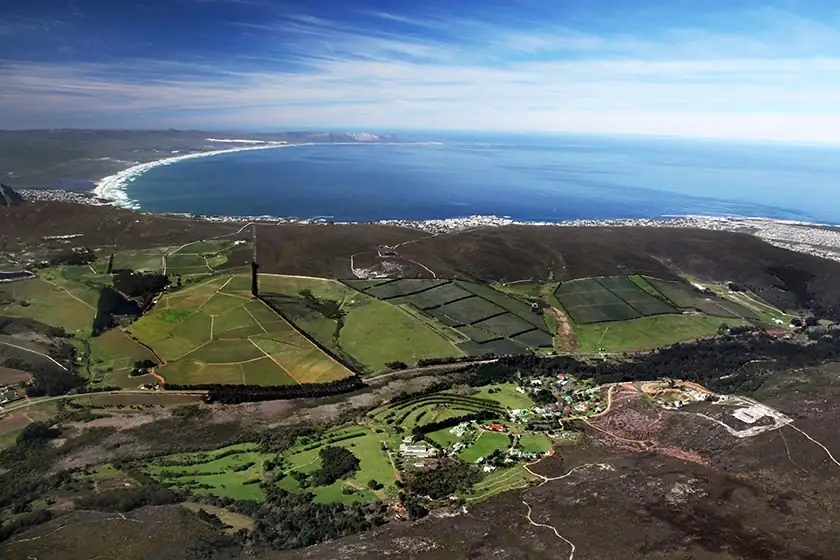
This doesn’t mean that everyone treats this as an immutable rule: there are hundreds of hectares of sauvignon blanc (supposedly a cool climate cultivar) planted in our warm regions. Even more surprisingly, there are equally vast tracts of even more heat sensitive pinot noir growing in places which cannot by the furthest stretch of the imagination be considered cool. For example, almost 400 hectares of it are planted in Paarl and Stellenbosch against a mere 359 hectares along the whole of the Cape South Coast (which includes Elgin and the Hemel-en-Aarde Valley). There are over 300 hectares of it in Robertson, Worcester and the Breedekloof.
Sometimes there are obvious reasons for these unlikely locations: the Cap Classique industry is booming. It needs huge volumes of pinot noir for base wine – and the pinot it requires doesn’t need to have come from low-yielding vines with the potential to produce Burgundian lookalikes. For buyers of this fruit, yield will trump potential vinosity any time.
You can also be sure that pinot destined for fizz does not fetch the same price as pinot intended to make a serious red wine. But here’s the thing – all other things being equal, pinot packaged as pinot sells for more – on average – than any other red cultivar in South Africa. And it has done so since the late Tim Hamilton Russell put out the message of its rarity, of the difficulty of making good wine from the “heartbreak grape.”
If it was so hard to make good pinot year in and year out, if it is so susceptible to the climate, surely you would expect to see the prices of bottled wines fluctuating in line with vintage variation? When the vintages are good, and the wines palpably better, the prices should spike; when the harvest has been tough and the final quality less than ideal, prices should decline.
When consumers – en masse – drink the Koolaid, as they have in South Africa since the first pinot plantings of the modern era of the wine industry, you know you are not dealing with a rational engagement with reality, but rather with blind faith. Pinot Noir in South Africa is cult wine in the true meaning of the word. Those who believe in it are the Faithful. The producers and their marketing teams are the High Priests, and those who buy it, year in and year out at ever-increasing prices, are the acolytes walking the steep and thorny path to vinous heaven.
- Michael Fridjhon has over thirty-five years’ experience in the liquor industry. He is the founder of Winewizard.co.za and holds various positions including Visiting Professor of Wine Business at the University of Cape Town; founder and director of WineX – the largest consumer wine show in the Southern Hemisphere and chairman of The Trophy Wine Show.