“I never cleaned it, I was wrong”: that little hole in the sink is actually your best insurance against flooding
In almost every kitchen, a small, unnoticed hole sits at the edge of the sink. If it stops fulfilling its hidden purpose, your worktop can quickly turn into a swimming pool.
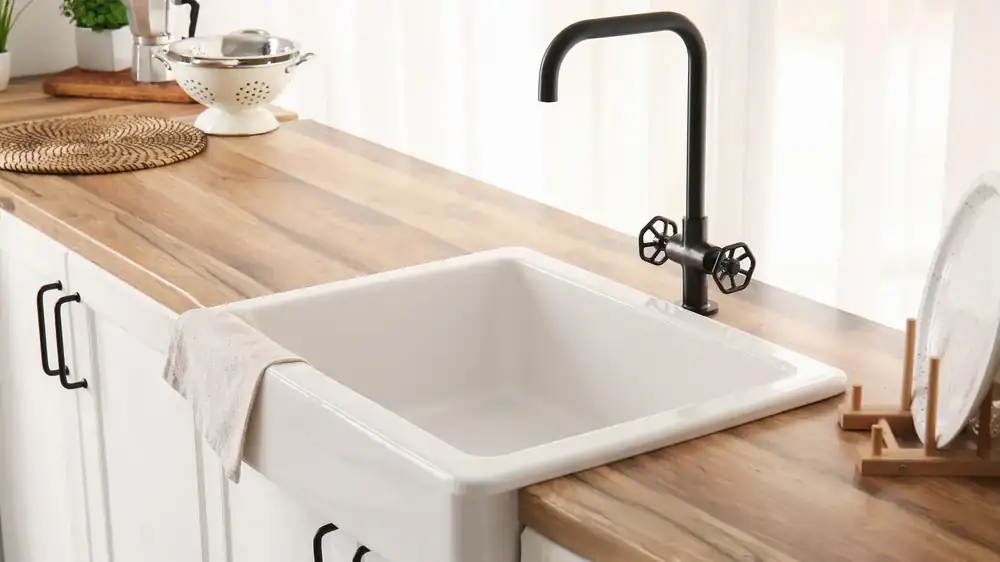
In almost every kitchen, one detail goes unnoticed: that small oval hole cut into the top of the sink basin, just below the rim. Some consider it decorative, others see it as a manufacturing defect. Yet this hole in the sink plays a key role: it's the sink overflow, a discreet device designed to prevent flooding on the countertop. When it malfunctions, the slightest oversight can turn the kitchen into a wading pool.
Positioned slightly below the maximum fill level, this opening is connected to an internal pipe that runs down to the siphon, below the main drain. If the tank fills because the drain is closed or the tap remains open, the water flows into this secondary pipe and reaches the drain without overflowing. The system, entirely passive, operates by gravity and also acts as an air vent; however, when it is blocked or improperly connected, this flood protection becomes purely illusory.
The sink overflow has been a standard feature on most domestic kitchen sinks for decades. Behind the visible opening, a small tube forms a parallel circuit that connects to the siphon: a true emergency exit for water when the level is nearing the top. By allowing a little air to pass through, it also reduces the suction effect and can accelerate drainage through the main drain. As long as this conduit remains clear, a forgotten tap usually results in a mere splash, not liters of water on the floor.
A pipe that gets clogged without us realizing it
According to the website Tribunal du Net, cooking grease, food residue, and limescale eventually clog the small internal drain without anyone noticing. From the outside, the sink appears to drain normally because the main drain remains clear. In reality, the overflow is rendered useless, and the danger lies hidden within the wall. It's only noticed at the worst possible moment: washing dishes, talking on the phone, a pot on the stove, and the water suddenly rises to the rim.
Quick cleaning and DIY mistakes to avoid
A quick maintenance is all it takes to keep this system working properly. A toothpick or an old toothbrush removes any visible deposits, then a mixture of hot water and baking soda poured directly into the drain cleans the pipe thoroughly. Doing this once a month prevents the buildup of grease that eventually clogs everything. However, installation errors can completely negate the system's benefits: forgetting to connect the overflow to the trap, sealing it with silicone sealant, or blocking it to mask odors. After replacing a sink, blowing into the drain opening allows you to check that air is circulating properly to the bottom of the basin.