“I don't even want to serve them when it's like this”: bakers are asking customers to stop this bad habit
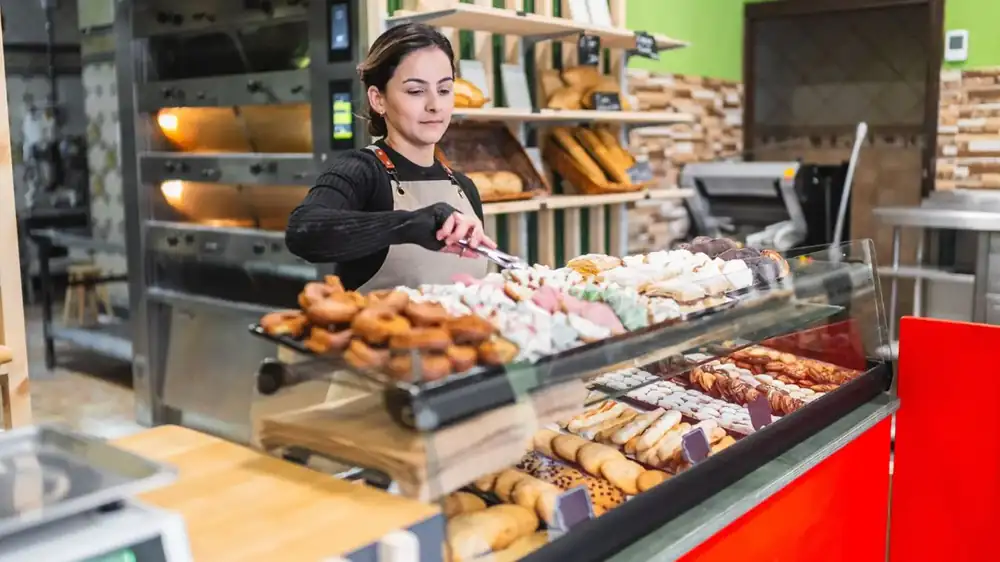
Buying a baguette seems like the most mundane thing in the world. Yet, one small habit is causing serious irritation behind the counter: handing over a 50-euro note to pay for a purchase of just a few euros. What seems harmless to the customer can quickly put the shopkeeper in an awkward position.
We've all rummaged through our wallets before the checkout only to find a large bill left. But at a bakery, paying for a baguette with a 50-euro note can be a real problem. Behind the counter, you need to keep enough change for the whole day, and a few large bills handled too early can quickly empty the till.
Why a 50 euro note can become a puzzle in a bakery
Imagine a baguette costing just over one euro paid for with 50 euros. The baker then has to give back almost the entire bill, often several 10 or 20 euro notes and coins. If this happens several times right after opening, the change available for other customers can disappear very quickly.
The problem isn't that the baker refuses to sell. He simply needs to be able to give change to the dozens of people who will follow him. But a till doesn't hold an unlimited supply of small bills. Especially in the morning, before the day's payments have replenished the cash register, the balance is still precarious.
This customer habit can slow down the entire queue.
Large bills also add a bit of time to the payment process. You have to check the bill, count a significant amount of change, and sometimes search for extra bills at another register. During peak hours, when the whole neighborhood comes to buy bread at the same time, these extra minutes quickly become noticeable.
The situation becomes even more complicated when several customers arrive in succession with 20 or 50 euros. The merchant may then ask for another form of payment or an amount closer to the total due. This can sometimes cause a brief moment of confusion, when a little foresight could have been avoided.
When possible, it's best to reserve large bills for larger purchases. For a baguette, a few pastries, or a sandwich, coins, small bills, or a bank card are generally much easier to manage. Of course, no one is immune to the possibility of only having a 50-euro note on them when entering a bakery.
In this case, the simplest solution is to let them know before ordering: "I only have 50 euros, is that alright with you?" The baker can then respond immediately, depending on the state of their till. It's a simple reflex that avoids tension and sometimes allows for finding an alternative solution. And a trip to the bakery remains what it should be: quick and pleasant.