Sangria
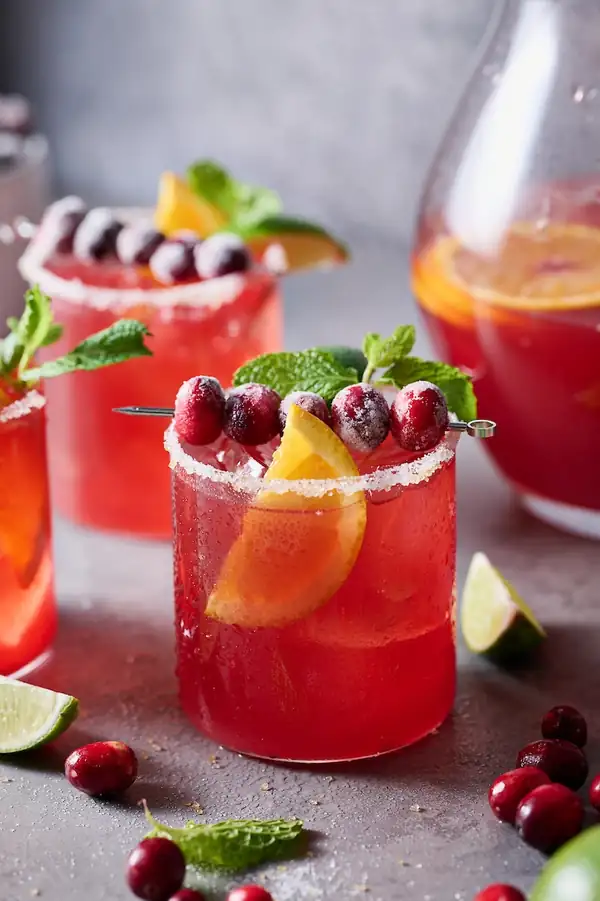
Sangria is a drink or cocktail of Spanish and Portuguese origin, prepared with red or white wine, fruit juice (especially orange and/or lemon), soda (or sparkling water), pieces of fruit and spices.
- 750 ml of dry red wine (1 bottle)
- 100 ml of orange juice (unsweetened) (juice of 1 large orange)
- 1 orange
- 1 pear
- 1 apple
- 1/2 unit of lemon juice
- 1/2 cup of sugar (adjust sugar according to the sweetness of the fruit and soda)
- 1 cinnamon stick (optional)
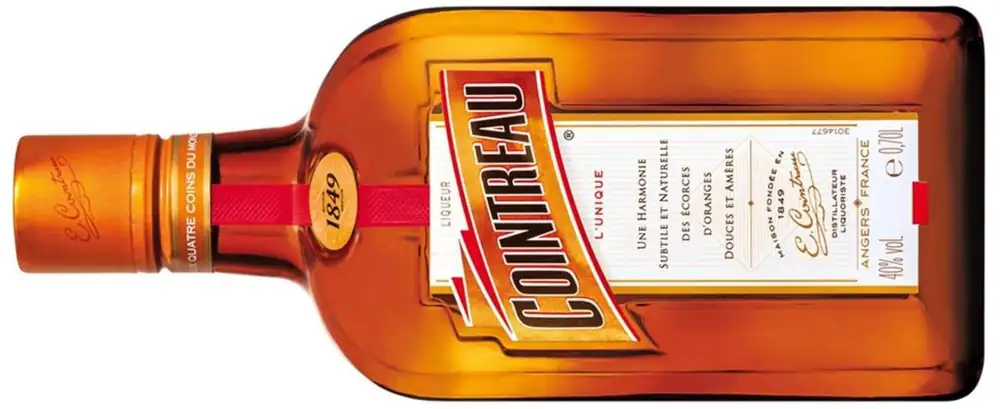
- 2 tablespoons of triple sec (Cointreau, Grand Marnier, etc. optional)
- Ice to taste
- Squeeze: Squeeze the juice from one large orange. No need to strain.
- To slice an orange: cut an orange into thin slices. Wash it before slicing.
- To cut a pear: cut a washed pear into small cubes. You can also substitute the pear or apple with a diced peach.
- To cut an apple: cut a washed apple into small cubes.
- Mixing fruits: In a large bowl or pitcher, place all the chopped fruit and the orange juice.
- Squeeze lemon: add the juice of half a lemon (green or Sicilian).
- Wine: Add a 750ml bottle of dry red wine. Mix a little.
- Sugar: Add sugar (optional).
- Triple sec: add 2 tablespoons of triple sec (Cointreau, Grand Marnier, etc.) - optional
- Cinnamon: add a cinnamon stick
- Stir: Stir well to dissolve the sugar. Taste and adjust the sugar. Important: The fruit will add more sweetness to the sangria after a few hours of macerating. Therefore, don't overdo the sugar.
- Refrigerate and macerate: cover with a lid or plastic wrap and refrigerate for at least 2 hours (ideally overnight).
- Soft drink: remove from the refrigerator and add the lemon-lime soda. Add it just before serving. Taste and adjust the sugar if necessary.
- Serving: Place ice cubes in individual glasses and pour the sangria. Always put a little liquid and a little fruit in each individual glass.
There is no single recipe for sangria. Each country, region, restaurant, and family has its own version of sangria. The recipe also varies according to the availability of seasonal fruits.
In Latin America there is a version of white sangria (white wine sangria) called clericó or clericot. (learn our clericot recipe).
Which wine should I use in sangria?
If the wine tastes good on its own, then it's good for making sangria. Use an inexpensive but good quality wine. A dry, fruity, young wine that hasn't been aged in oak barrels and has few tannins.
For traditional sangria, use a dry red wine. For white sangria, use a dry white wine. It's possible to use sweeter wines, but remember to reduce or eliminate the added sugar.
In Portugal, it's also common to use Vinho Verde to make sangria. It's a refreshing, slightly sparkling, and acidic wine. Because it's more acidic, it's important to reduce the amount of citrus fruit juices used in the cocktail when using Vinho Verde.
It's also possible to make sangria with sparkling wines and rosé wines.
What other drinks can be used in sangria?
The purpose of using alcoholic beverages other than wine in sangria is to add a slightly higher alcohol content, but also to enhance the flavor.
In Spain, it's common to add liqueurs to sangria. A triple sec (Cointreau, Grand Marnier, etc.) adds an extra orange flavor, as well as more alcohol and sweetness. In red wine sangria, cognac or dark rum is also added.
In Portugal, it's common to add local drinks to Sangria, such as Licor Beirão (made with spices) and Macieira (grape distillate). There are also recipes that add port wine to sangria.
In Brazil, cachaça is sometimes used in sangria. Cachaça primarily adds alcohol to the sangria recipe.
What fruit juice should I use in sangria?
In addition to adding flavor, fruit juices make sangria more refreshing.
Sangria is usually prepared with orange and lemon juice.
For white sangria, it's important to be careful with the amount of acidic fruit juice, as white wines are generally more acidic than red wines. In this case, it's better to replace the citrus fruit juice with a citrus liqueur (triple sec, such as Cointreau) and use orange/lemon pieces, but without squeezing them.
What fruits should be used in sangria?
There is a wide variety of fruits used in sangria – we suggest using seasonal fruits. The most commonly used fruits in sangria are:
- Orange
- Lemon
- Litter
- Money
- Peaches (fresh or in syrup)
- Damascus
- Red fruits (strawberry, raspberry, currant)
- Kiwi
- Banana
For white wine sangria, it's most important to select a fruit mix that isn't overly acidic, as the white wine itself will add more acidity to the sangria. Peaches and apricots are great options for white sangria. Canned peaches are also an excellent choice, as they add sweetness without needing to dissolve sugar.
Which soft drink should I use in sangria?
Soft drinks add sweetness and fizz to sangria. A more sophisticated option, especially for white sangria, is to replace the white wine and soft drinks with sparkling wine (cava, champagne, prosecco, etc.). The sparkling wine adds the flavor of wine and fizz to the sangria (and if it's sweet, the sweetness).
The most commonly used soft drink is lemon-lime soda (Sprite, 7Up, etc.), followed by orange soda (Fanta). It is also common to substitute soda with sparkling water.
Some recipes substitute soda with tonic water, which doesn't reduce the amount of sugar but increases the bitter taste of the sangria.
Should I put sugar in sangria?
Sangria is a sweet-tasting drink. Whether or not to add sugar to sangria will depend on the sweetness of the other ingredients used, mainly the sweetness of the fruits and the type of wine used.
If you use a sweet wine to make sangria, you probably won't need to add sugar. In our sangria recipe, we add half a cup of sugar for every 750ml bottle of dry red wine used.
We suggest adding the sugar before maceration. This will allow enough time for all the sugar to dissolve in the drink. If you decide to add sugar just before serving, we suggest using a finer sugar (confectioner's sugar) so that it dissolves quickly.
What type of container should I use to serve sangria?
Sangrias are usually served in 1 or 2 liter pitchers. But they can also be served in punch bowls or individual glasses.
We suggest putting the ice in individual glasses, not in the sangria pitcher. This will make it easier to serve the sangria and prevent it from becoming watered down if not consumed immediately.
Which glass should I use to serve sangria?
Sangria is traditionally served in red wine glasses, but nowadays each restaurant has its own preference – lowball glasses, highball glasses, goblets, etc. are used. It is usually served with a spoon or fork so that the fruit can be eaten after/during the drink.
Place the ice in the sangria glass, not in the pitcher.
Sangria recipe
Our sangria recipe uses the most traditional ingredients for making sangria: dry red wine, orange and lemon juice, lemon-lime soda, seasonal fruits, and triple sec (orange liqueur). We also use 1 cinnamon stick to add more flavor to the sangria, but the cinnamon is optional.
We use half a cup of sugar to add sweetness to the drink. This amount can be adjusted according to the sweetness of the fruits used.
- Large pitcher or bowl (2 liters capacity)
- Large spoon
- Orange juicer