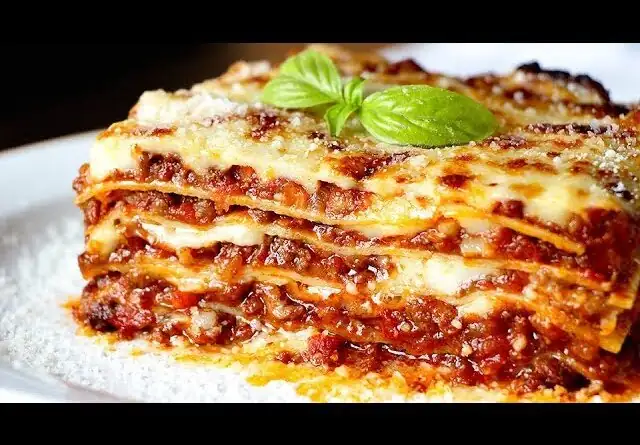
Original lasagna recipe: step by step to prepare traditional Italian lasagna
Discover how to prepare authentic traditional Italian lasagna
Traditional Italian lasagna is one of the most iconic and beloved dishes in world cuisine, and although Peru boasts a wide variety of local recipes, this classic dish never goes out of style. If you've ever wondered how to make authentic Italian-style lasagna, here's a detailed step-by-step guide so you can prepare this delicious dish at home with fresh ingredients and techniques that respect its essence.
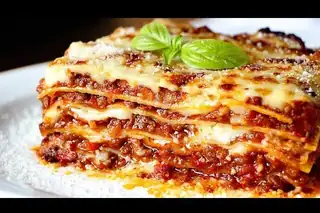
This dish, which combines layers of pasta, Bolognese sauce, béchamel, and melted cheese, is ideal for sharing with family or at special gatherings. Furthermore, preparing lasagna from scratch is a culinary experience worth having, as it allows you to control the quality of the ingredients and customize it to your liking.
What makes traditional Italian lasagna unique?
The original Italian lasagna stands out for the harmony of its components. The fresh pasta, usually made with wheat flour and egg, provides a smooth and delicate texture. The Bolognese sauce, a mixture of ground meat, tomato, and vegetables, offers a rich and comforting flavor. Meanwhile, the béchamel sauce, made with butter, flour, and milk, adds creaminess and balance to the dish. Finally, the grated Parmesan cheese that browns on top provides that golden and crispy touch we all love.
In Peru, where gastronomy is so diverse, incorporating traditional Italian lasagna into the menu represents an opportunity to enjoy a classic recipe with a homemade touch and adapted to our local ingredients.
Essential ingredients for preparation
Before we begin, it's essential to have the right ingredients to achieve the authentic flavor of this original lasagna recipe. Here are the main ones:
- Lasagna pasta: you can use fresh or dried sheets, preferably not precooked.
- Ground beef and pork: for Bolognese sauce, a mixture of both adds more flavor.
- Onion, garlic, carrot and celery: the aromatic base that gives depth to the sauce.
- Crushed tomatoes or tomato puree: for the red sauce.
- Dry red wine: a touch that intensifies the flavor of the sauce.
- Milk, butter and flour: for the béchamel sauce.
- Grated Parmesan cheese: for gratinating and adding flavor.
- Olive oil, salt, pepper and nutmeg: essential seasonings.
Step-by-step preparation for a traditional Italian-style lasagna
The process requires patience and dedication, but the result is worth every minute invested. We'll break down each stage so you don't miss a thing.
1. Prepare the Bolognese sauce
In a large pot, heat a little olive oil over medium heat. Add the finely chopped onion, garlic, carrot, and celery and sauté until tender and fragrant, about 8 minutes. Stir in the ground beef and pork mixture and cook until the meat changes color and is lightly browned.
Next, add the red wine and let the alcohol evaporate for a few minutes. Stir in the crushed tomatoes, season with salt and pepper to taste, and add a pinch of nutmeg. Reduce the heat and let the sauce simmer gently for at least an hour, stirring occasionally to prevent sticking. This slow cooking is key to obtaining a rich, full-bodied sauce.
2. Prepare the béchamel sauce
In a separate saucepan, melt the butter over medium heat. Add the flour and mix well to form a roux, cooking for 2 minutes without letting it brown. Gradually whisk in the warm milk, stirring constantly to prevent lumps.
Continue cooking until the sauce thickens and has a creamy texture. Season with salt and pepper and add a pinch of nutmeg to enhance the flavor. Set this sauce aside; it will be essential for giving the lasagna a smooth and balanced texture.
3. Cook the pasta sheets
If you're using dried pasta, it's best to cook it in plenty of salted water until al dente. Then, drain it and place it on a clean cloth to prevent sticking. If you're using fresh pasta, it generally doesn't need to be pre-cooked; just make sure the sheets are separated for easier assembly.
4. Assembling the lasagna
In a baking dish, start with a thin layer of Bolognese sauce on the bottom to prevent the pasta from sticking. Then, place a layer of pasta sheets, followed by a generous layer of Bolognese sauce and another of béchamel sauce. Repeat this process, alternating layers until you reach the edge of the dish.
In the last layer, spread the bechamel sauce evenly and sprinkle with plenty of grated Parmesan cheese so that when baked it forms a golden and appetizing crust.
5. Bake the lasagna
Preheat the oven to 180°C (350°F). Cover the dish with aluminum foil to prevent the surface from burning and bake for 30 minutes. After this time, remove the foil and continue baking for another 10-15 minutes, or until the cheese is golden brown and bubbly.
Once ready, let the lasagna rest for about 10 minutes before serving. This will allow the layers to settle and make it easier to cut perfect portions.
Variations and tips to enrich your lasagna
While the classic recipe is unbeatable, there are several ways to add your own personal touch without losing its Italian essence. For example, you can include mozzarella cheese between the layers for a creamier texture or add sautéed mushrooms to intensify the umami flavor.
In Peru, some chefs innovate by incorporating local ingredients like yellow chili peppers into Bolognese sauce for a touch of spice and a unique aroma. You can also experiment with different types of meat, such as chicken, or even a vegetarian option using lentils or eggplant as substitutes.
A key tip is to always use fresh, high-quality ingredients. Fresh butter, ripe tomatoes, and carefully selected meat will make all the difference in the final result.
The importance of patience and love in cooking
Preparing a traditional lasagna isn't simply about following a series of steps; it's also about dedicating time and care to each stage. The slow cooking of the Bolognese sauce, the careful preparation of the béchamel, and the meticulous assembly make this dish a symbol of Italian cuisine that wins over palates worldwide.
In the Peruvian context, where we value the richness of flavors and family unity around the table, lasagna becomes a perfect option to celebrate and enjoy special moments.
Why make homemade lasagna instead of buying it?
Although ready-to-heat lasagna options are available in the Peruvian market, preparing this traditional recipe from scratch offers several advantages. First, you have complete control over the ingredients, avoiding preservatives and additives. Second, you can adjust the amounts of salt, fat, and seasonings according to your preferences or dietary needs.
Furthermore, the preparation process is an opportunity to learn and enjoy time as a family, involving both children and adults in the kitchen. Finally, the flavor and texture of homemade lasagna are incomparable to store-bought versions.
The perfect pairing to accompany your lasagna
To complement this exquisite dish, we recommend pairing it with a good medium-bodied red wine, such as a Merlot or a Peruvian Malbec, which will enhance the flavors of the meat and cheese. You can also opt for a fresh salad with lettuce, tomato, and olives to balance the meal.
As for non-alcoholic drinks, homemade lemonade or natural fruit juice are refreshing options that combine very well with the richness of the lasagna.
Tips for storing and reheating leftovers
If you have leftover lasagna, store it in an airtight container in the refrigerator for up to 3 days. To reheat it, ideally do so in the oven at 160°C (325°F) for 15-20 minutes, covering it with aluminum foil to prevent it from drying out. You can also use the microwave, although the texture may be slightly affected.
Another option is to freeze individual portions wrapped in plastic wrap and then in a resealable bag. To defrost, transfer them to the refrigerator overnight and heat as directed.
Explore and adapt this recipe to your style
Lasagna is a versatile dish that invites creativity. Don't hesitate to experiment with different types of cheese, add fresh herbs like basil or oregano, or even try versions with whole-wheat pasta for a healthier option.
Whatever your choice, the key is to respect the fundamentals of the traditional Italian recipe and enjoy the cooking process with patience and dedication.