Homemade grape wine recipe: a step-by-step guide for beginners
Homemade grape winemaking: a tradition for everyone
Homemade grape wine is a beverage that has been enjoyed by many cultures throughout history, and Peru is no exception. Making your own wine at home is not only a rewarding process, but it also allows you to enjoy a natural drink, free of artificial additives and preservatives. In this article, you'll discover a step-by-step guide for beginners who want to venture into making this delicious fermented beverage.
Before going into detail, it's essential to understand that the success of producing a good artisanal wine depends on the quality of the fruit, cleanliness at every stage, and patience during the fermentation and aging process. You don't need to be an oenology expert to achieve a result worthy of sharing at a family gathering or with friends.
Essential ingredients and utensils for your homemade wine
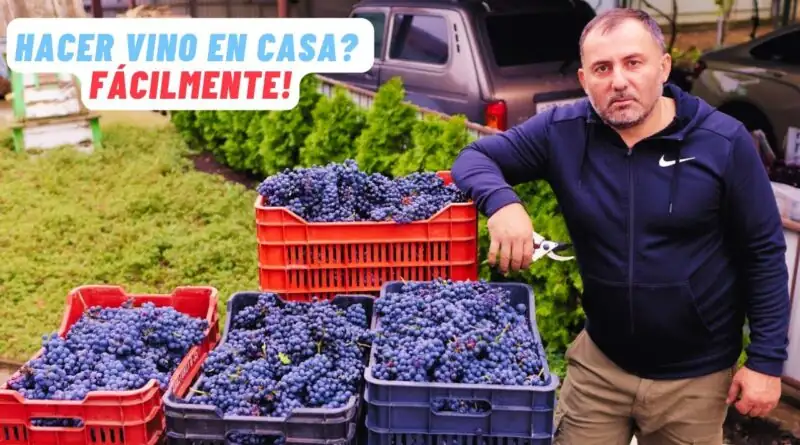
To prepare this fermented beverage, we recommend using fresh grapes, preferably red or purple varieties, as they add more body and color to the final product. The grapes should be in optimal condition, without bruises or signs of rot.
In addition to the fruit, you will need:
- Sugar: helps feed the yeast and increases the alcohol content.
- Water: to adjust the concentration and facilitate fermentation.
- Wine yeast: although grapes have natural yeasts, using a selected yeast ensures a more controlled and predictable process.
- Fermentation containers: preferably made of glass or food-grade plastic, with sufficient capacity to hold the wort and allow for expansion.
- Airlock or air trap: to prevent the entry of oxygen and contaminants during fermentation.
- Filter or fine cloth: to separate the solids from the liquid after pressing.
Detailed steps for preparing homemade grape wine
The process begins with selecting and preparing the grapes. Wash them thoroughly under cold water to remove dust, insects, and any pesticides. Then, destem the grapes, separating the berries from the stems, as the latter can impart bitter flavors to the wine.
The next step is pressing or crushing. You can do this manually, by crushing the grapes with clean hands, or using a home press. The goal is to release the juice contained in the berries, known as must, which will be the base for fermentation.
Once you have obtained the must, pass it through a filter or cloth to remove any remaining skin, seeds, and excess pulp. This will help to obtain a clearer liquid and facilitate the fermentation process.
Now, mix the must with water and sugar according to the quantity you wish to prepare. For example, for each liter of juice, you can add between 100 and 150 grams of sugar, adjusting according to the natural sweetness of the fruit and the desired alcohol content.
It's important to dissolve the sugar completely so the yeast has a homogeneous substrate to feed on. Then, add the wine yeast, following the manufacturer's instructions regarding quantity and method of incorporation.
Pour this mixture into the fermentation vessel and place the airlock over the opening. This will allow the carbon dioxide generated during fermentation to escape, preventing air or external microorganisms from contaminating the wort.
Place the container in a dark, cool place with a stable temperature, ideally between 18 and 24 degrees Celsius. During the first few weeks, you'll notice bubbles and foam on the surface, a sign that the yeast is working and transforming the sugars into alcohol.
Primary fermentation typically lasts between 7 and 14 days, depending on the temperature and sugar content. Once fermentation activity has noticeably decreased, it's time to transfer the wine to another clean container, leaving the sediment at the bottom to avoid unwanted flavors.
This racking process can be repeated once or twice more, allowing the wine to clarify and mature. During this stage, it is advisable to keep the container closed and airlocked to prevent oxidation.
Care and recommendations for a quality homemade wine
Hygiene is key when making fermented beverages at home. Be sure to wash and disinfect all utensils and containers before use. This prevents contamination and ensures a cleaner, tastier final product.
Furthermore, patience is your best ally. Wine improves with time, and although primary fermentation can be quick, maturation can extend for weeks or months. During this time, the flavors integrate and soften, resulting in a more balanced profile.
If you'd like to experiment, you can try different grape varieties or add ingredients like cinnamon, cloves, or even extra fruit to give your drink a unique touch. However, remember that the foundation will always be the quality of the grapes and control of the fermentation process.
Benefits of making your own homemade wine
Besides enjoying a homemade beverage, making your own wine connects you with an age-old tradition and allows you to better understand the natural processes of fermentation. It's also an excellent way to use up seasonal grapes or surplus from your own harvest.
In economic terms, home-brewing is usually more affordable than buying imported or high-end wines, and control over the ingredients guarantees a healthier, additive-free beverage.
Finally, sharing a bottle of homemade wine with family and friends is an experience that strengthens bonds and creates unforgettable memories.
Storing and consuming homemade wine
Once the wine has reached the desired flavor, it's time to bottle it. Use clean bottles, preferably dark glass, to protect the contents from light. Seal tightly with corks or airtight caps.
Store the bottles in a cool, dark place with a stable temperature. Avoid sudden temperature changes and direct sunlight, as these can affect the quality and flavor.
Homemade wine can be stored for several months, even years, if the fermentation and aging processes have been followed correctly. To enjoy it, serve at room temperature or slightly chilled, depending on the variety and your preference.
Common mistakes and how to avoid them in home cooking
Many beginners face challenges in artisanal wine production, but with a few tips you can minimize them:
- Incomplete fermentation: This usually occurs due to low temperatures or inactive yeast. Make sure to maintain a proper temperature and use fresh yeast.
- Bacterial contamination: results from dirty utensils or exposure to air. Cleaning and using an airlock are essential.
- A bitter or unpleasant taste may come from the presence of stems or seeds in the must. Proper destemming and filtering are essential.
- Oxidation: Avoid prolonged contact with oxygen after active fermentation. Perform careful racking and store in airtight containers.
By understanding these aspects and carefully following each step, you will have a greater chance of obtaining a high-quality and palatable final product.
Exploring variations and flavors in your homemade wine
The versatility of the preparation allows you to create different styles according to your tastes. For example, you can adjust the amount of sugar to obtain a sweeter or drier wine. It is also possible to experiment with grape blends or incorporate spices and aromatic herbs during maceration.
Another interesting option is to make a rosé wine, using red grapes but limiting the contact time with the skins to obtain a lighter color and a fresher fruit profile.
Finally, for lovers of fermented beverages, preparing homemade wine is an open door to creativity and reconnection with nature and Peruvian gastronomic culture.