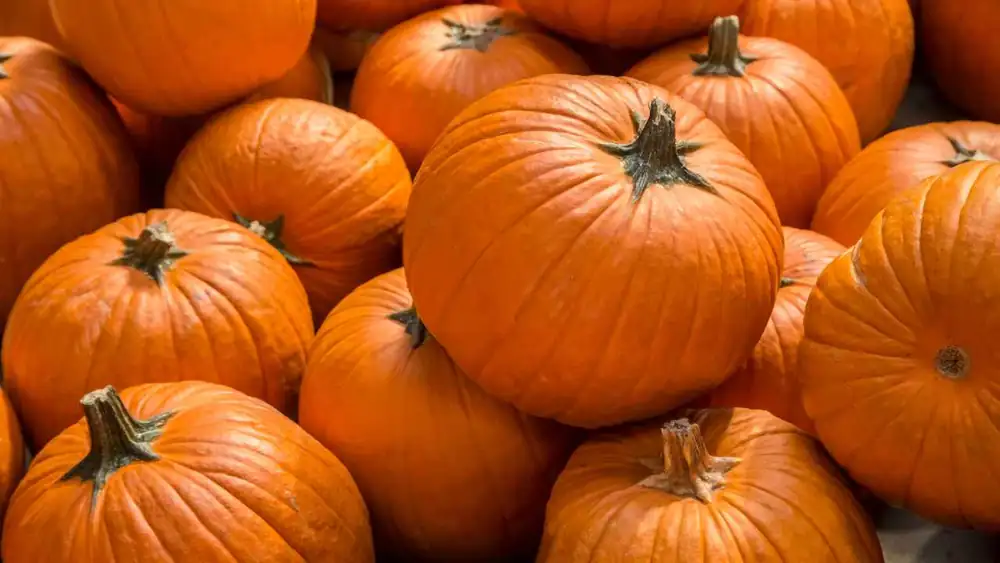
Pumpkin in autumn: all the benefits we can bring to the table
When the first cool days arrive, pumpkin takes center stage in the kitchen. We find it at the market, in supermarkets, and especially in our recipes: cream soups, risottos, side dishes, pasta dishes, and baked goods. Its bright color brings a touch of sunshine to autumn tables, too.
But why is it worth eating more pumpkin right now? Besides being versatile and naturally sweet, it's a vegetable with a good water content and relatively low calories, making it a great addition to a balanced diet.
Its most interesting feature, however, is its content of carotenoids, plant pigments that our body can also use to produce vitamin A.
Why eat pumpkin in autumn
Pumpkin pulp provides fiber, which contributes to normal bowel function and can help make meals more filling. The amount varies depending on the variety and preparation, but for this very reason, we can use it to increase the presence of vegetables in our diet.
Carotenoids, on the other hand, are responsible for the characteristic orange color of many varieties. Among these, we find beta-carotene, a precursor to vitamin A, a nutrient involved in maintaining normal vision and the immune system.
Pumpkin also provides potassium and other micronutrients, although it should not be considered a source capable of covering daily requirements on its own.
Another advantage is its versatility in the kitchen. We can bake it in the oven with a little oil, add it to soups, make a cream, or use it to accompany grains and protein sources.
Be careful how we prepare it
Pumpkin itself is a relatively light food, but the final dish can become much less so if we add large quantities of butter, cheese, cream, oil, or other caloric ingredients.
So, we shouldn't think of pumpkin as a "slimming" food. It's simply a vegetable we can use to create varied and nutritious meals, choosing the seasoning and portion sizes based on our needs.
Seeds can also be consumed, but the situation is different: they are much more concentrated from an energy point of view and should be considered like dried fruit and oilseeds, therefore in adequate quantities.
In short, pumpkin doesn't need miraculous promises to be interesting. It's a seasonal, versatile, and nutritious vegetable, perfect for carrying us from autumn into the colder months.