Kale is making a comeback: how to clean it, cook it, and avoid wasting anything
Black cabbage is back on the shelves with its intense flavor and dark, fleshy leaves. Learn how to clean it, choose the right cooking method, and make the most of the stems, turning every part into a resource.
Listen to the article
Prefer to listen to the audio summary? We've chosen a voice created with advanced AI tools to make our content accessible to everyone.
Recipes with black cabbage
As soon as the air gets cooler, cavolo nero takes center stage in soups, pasta dishes, and side dishes with a bold flavor. Before cooking it, however, you need to know how to properly separate the leaves from the central rib and choose the most suitable treatment.
Don't throw away the toughest parts: with a few tricks, you can salvage them and use them in your cooking. You'll discover how to clean and cook cavolo nero, showcasing every last stalk.
How to clean cabbage and cauliflower
How to Clean Cabbage and Cauliflower is a practical guide to learning how to properly prepare some of the most commonly used vegetables in the kitchen. Discover all the instructions for cleaning cauliflower, Savoy cabbage, and cavolo nero, eliminating waste and obtaining vegetables ready for your recipes. A simple basic technique, useful for becoming familiar with the different varieties and preparing them correctly.
Baked kale chips
Baked cavolo nero chips are a crunchy and delicious winter appetizer, also ideal as an aperitif. The tender leaves are seasoned with extra virgin olive oil, salt, and chili pepper, then baked in the oven for a few minutes, without overlapping, to achieve just the right amount of crunch. Garnish with salt flakes and enjoy them on their own or use them to enhance other recipes with a flavorful and appetizing twist.
Pasta with black cabbage and chestnuts
Pasta with cavolo nero and chestnuts is a creamy first course perfect for the colder months, where the bold flavor of cavolo nero meets the sweetness of chestnuts. The leaves are blended with pre-cooked chestnuts, Parmesan cheese, and a touch of lemon to create a smooth and enveloping cream, while the stems are also salvaged and sautéed for zero-waste preparation. Finish with ricotta salata and crumbled chestnuts, which add flavor and texture to the dish.
Black cabbage pesto
Kale pesto is a winter variation on classic pesto, with a creamy consistency and intense flavor. The leaves are blanched to mellow their flavor, then blended with walnuts, Parmigiano Reggiano, extra virgin olive oil, and a pinch of chili pepper, without adding garlic. You can use it as a pasta sauce, spread it on warm bread, or as a filling for a savory pie.
Black cabbage soup
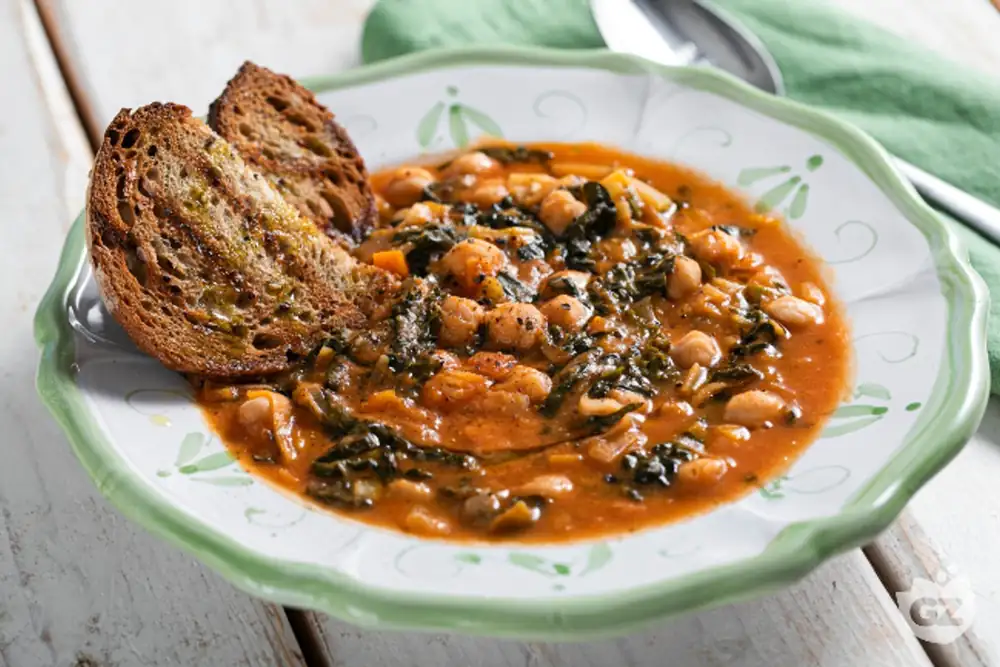
Black cabbage soup is a rustic and hearty winter first course, where the slightly bitter note of black cabbage meets the sweetness of leeks. Chickpeas are used both whole and pureed: the resulting cream makes the soup thicker and more enveloping, without losing the texture of the legumes. Serve it with toasted homemade bread rubbed with garlic, then drizzle with extra virgin olive oil and black pepper for an even more inviting contrast.
Black cabbage in a pan
Pan-fried cavolo nero is a simple and light seasonal side dish, ideal for both meat and fish dishes. Pan-fried cooking enhances the distinctive flavor of this vegetable and allows you to bring a flavorful dish to the table in just a few steps. This is a very easy recipe to keep in mind when looking for a practical way to cook cavolo nero.
Pasta and beans with cavolo nero (black cabbage) is a rustic and hearty first course, inspired by the flavors of Tuscan cuisine. Cannellini beans are partially pureed to create a dense, velvety base, while cavolo nero (black cabbage) adds its distinctive flavor; even the stems are sautéed along with the herbs. The pasta cooks directly in the sauce and is finally tossed with oil and Parmesan cheese: the result is creamy, flavorful, and hearty.