Scandalous princess, outlaw romance: on the trail of the strangest names in Hungarian cuisine
Angel's cup
Angel dumplings are a close relative of bratsfülle and plum dumplings: dough made from boiled potatoes, eggs and flour is cut into finger-sized cylinders, then boiled in salted water and served with poppy seeds or toasted breadcrumbs. In the vernacular, they are also known as noodles, and in the Felvidék they are known as angel dumplings. The exact origin of the name is unclear, but the most common explanation is that “angel dumplings” meant the genitals of little boys in the old vernacular, and the shape of the cylindrical pieces of dough reminded the namesakes of this – this does not prevent grandmothers from serving them week after week, of course.
Outlaw soup
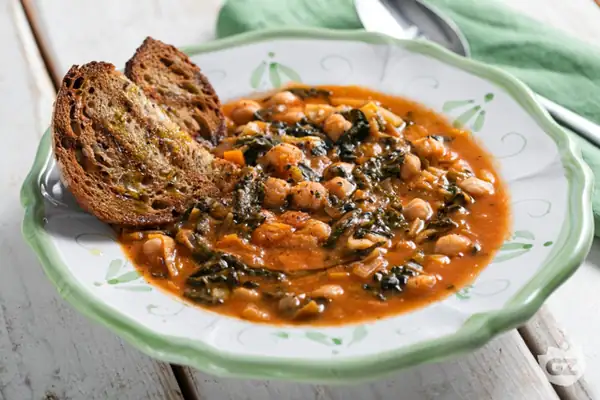
Bakonyi betyárleves, with mushrooms, sour cream and spicy paprika, is a staple of Hungarian inn cuisine, but it is much younger than it seems. The first written record of the name appears in József Venesz's 1958 cookbook, A magyaros konyha, without sour cream or mushrooms, as a simple meat broth. The mushroom-mixed version we know today apparently only came into being in the late 1960s, when hospitality discovered the romanticism of outlaws, and inns competed with each other to invent “traditional” dishes. Betyárleves also had a sister dish: pandúrleves, named after the pandúrs who chased outlaws, and made without sour cream and with lamb shoulder.
Devilish bites, monk's ears – Read the first part of the article too!
Goerhe
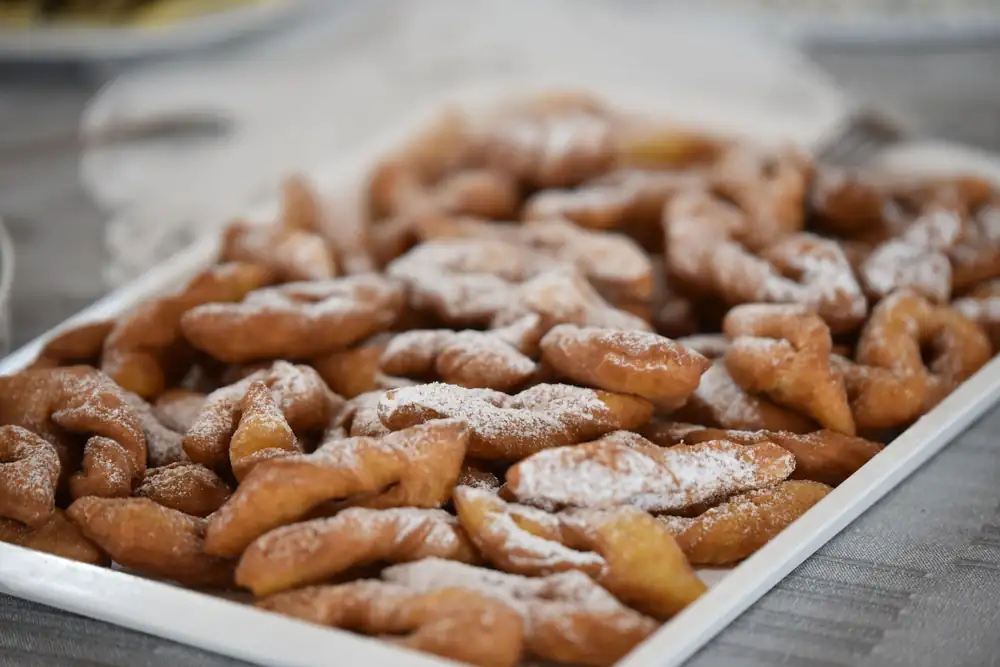
Gröhhe was once an everyday cake for poorer rural households: a simple mixed dough made from corn flour, milk or evaporated milk, which was served with powdered sugar or jam. According to ethnographic literature, the origin of the word can be traced back to the root “görh”, from which the adjective “görhös” also comes – meaning skinny, lean. The regional name therefore did not refer to its taste, but to the fact that this cheap dough made from a few ingredients quickly dried out, “dried up”, as a source from 1834 notes. Today, gröhhe has almost completely disappeared from public consciousness, but in the countryside – under the names kúricoprósza or málé – it is still baked in some places today.
Thrush Janci
Rigó Jancsi, made of chocolate sponge cake slices, chocolate-rum cream and apricot jam coating, is one of the most famous Hungarian cake names, born from a real scandal. Rigó Jancsi (1858–1927) was a celebrated Roma prima of his time, who captivated American heiress Clara Ward, wife of the Belgian Prince Caraman-Chimay, with his violin playing in a Parisian restaurant in 1896. The couple eloped, abandoning their spouses and the princess’s children, and the scandal made headlines all over Europe. The cake was not invented by Rigó Jancsi: an unknown confectioner from Pest named it after him, using the sensation of the time as a publicity stunt – so the prima himself may never have tasted the dessert named after him.
Vargabéles
Vargabéles is one of the most popular desserts of Transylvanian cuisine: a cake wrapped in a strudel sheet, filled with cottage cheese, raisins and boiled vermicelli, and served with vanilla sauce or powdered sugar. According to legend, it began its journey of conquest from the Darvas restaurant in Cluj-Napoca, but no one knows for sure why it was called “varga”. According to one legend, it was invented and named by a Cluj-Napoca innkeeper named Varga, according to another, it was the name of a secret suitor of one of the Darvas’ daughters. The keepers of the family recipe have not revealed which version is true, if any.