Zamba i Canuta, the mountain cuisine that reflects the larder of Ñuble
It's a Thursday in autumn in the Ñuble region and, after finishing the ConBoca seminar —an event aimed at considering the possibilities of gastronomic tourism for rural territories—, we move to San Fabián de Alicco, a mountain town of just over 5,000 people, nestled in the heart of the Biosphere Reserve, about four hours from Santiago, as unknown as it is fascinating.
The cold, the silence, and the absence of people and open shops signal that winter is fast approaching. However, Zamba i Canuta, Francisco Alvarado's establishment, remains open. This small restaurant, open from Tuesday to Sunday, year-round, attracts locals and travelers alike, who come to delight their senses and to cooks interested in revisiting the essential aspects of cuisine.
I cross the threshold, and a huge, succulent loyo (Boletus loyo), that mushroom so deeply rooted in Chilean identity, associated with the Nothofagus forests—oaks, coigües, lengas—that blanket the Andean mountain range in the south-central part of the country, welcomes me. The menu is not to be missed, not only for its beautiful aesthetic, the work of Francisco himself—a graphic designer turned chef—but also because it offers dishes rather than recipes, following the rhythm of the season and a regional pantry shaped by the muleteer lifestyle and the forest. An environment where raulí, ñirre, Chilean hazelnut, radal, maqui, copihue, chilco, quila, orchids, lleuques, murtas, a wide variety of mushrooms, and wild strawberries, among many other species, coexist.
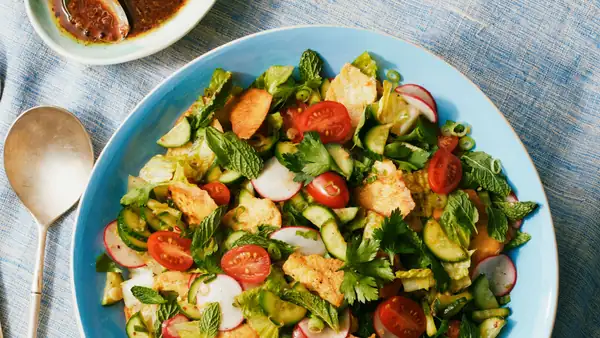
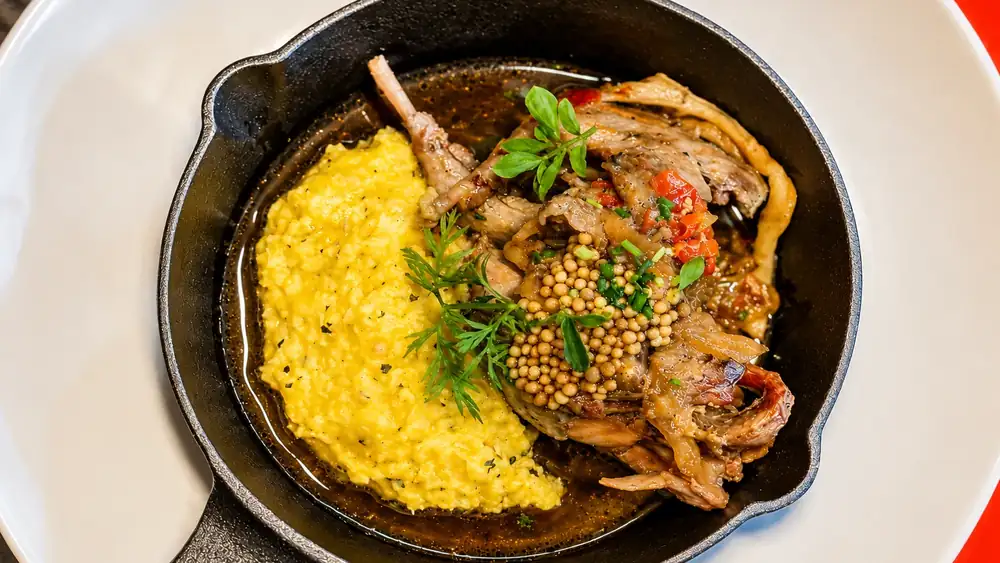
The menu, brief and ever-changing, says so much in so little space that simply reading it promises an unforgettable meal. A mulled wine, a hot, spiced drink with orange, cloves, and cinnamon, welcomes us. Immediately, my eyes are drawn to a duck braised in its own fat with native herbs and finished in the oven with vegetables and whole-grain mustard, served in an enormous pewter (glazed ceramic) platter, the kind that alone evokes childhood memories. It arrives accompanied by a potato and beet salad, topped with pomegranate in season; and a salad of mixed greens with pickled changles (Ramaria flava), pickled chili peppers, radishes, and pickled onions. Mushrooms, garden, game, forest. I'm speechless. I'm overwhelmed to find such a diversity of ingredients in a single dish. It's the first time a single dish has so clearly revealed to me the enormous possibilities of the Chilean Andes. It's abundant and profound, with a richness of textures, temperatures, and crisp flavors. Very good.
I continue with a rainbow trout from the source of the Ñuble River, with firm flesh and remarkable tenderness, and a delicate fat. Francisco cooks it with butter with precision, at the exact point to keep it juicy without losing its texture. The culinary journey continues with a rabbit smoked and cooked in red wine, sweet and tender. He serves it with the last humitas of the season (fresh corn, ground and cooked in a pot with only fresh basil). It's always accompanied by steamed, sautéed, or roasted vegetables, and in salads.
Francisco's father is a farmer. He grows fruits and vegetables that are harvested daily, and a good part of the proposal revolves around them.
The evening was underpinned by wines from Itata, one of the valleys in the Ñuble region, which is among the oldest wine-growing areas in Chile. Among the labels featured that night were Berta, Aurora de Itata, Travesía del Pipeño, and La Basilona—fine expressions of a terroir of old vines, many of them centuries old, cultivated with minimal intervention for wines that are fresh, crisp, and at times rustic. Berta Merlot and Aurora, from Carter Mollenhauer, were among my favorites: dry, medium-bodied wines with vibrant acidity, freshness, and tension.
Just when you think the Ñuble mountains have already graced the table with their presence, a massive native wood board arrives, laden with oven-roasted goat. “It’s salted and cooked with love,” Francisco concludes as he serves it, to the astonishment of the diners. The goat from San Fabián is more than just meat; it's the product of a mountain culture that has shaped this land for generations. Here, the transhumance tradition of herding animals persists, with drovers leading their livestock to the summer pastures in the Andes, taking advantage of the lush vegetation that emerges after the thaw.
The goat we eat is a young animal, no more than ten kilos, raised on natural pastures with native shrubs and high-altitude grasses. It has just returned from the mountains, so it's a real treat to enjoy this animal at its peak. The tenderness and delicacy of its meat speak for themselves. An infusion of culén leaves and a dessert of cooked quince, chestnuts in syrup, and pomegranate bring this exceptional evening to a close.
For ten years, Zamba i Canuta has been crafting narratives for a little-known region. First, from their home, cooking with ingredients from their father's garden; then as a sandwich shop; and, for just over a year now, as a restaurant. In this small dining room in San Fabián de Alico, they practice a simple, free-flowing cuisine, without recipes or rigid structures, but with plenty of common sense, where the constants are fresh produce, flavor, and abundance. A cuisine deeply rooted in the land.
The price is affordable, and the dining room, which seats just over fifteen people, is warm and inviting. Francisco cooks alone with a couple of helpers, and the service, overseen by a waiter, is equally personal. He lives apart from the ebb and flow of tourism, which in this part of the world is brief and scarce, almost as an act of resistance: so that the flavors and traditions of the Ñuble mountains may remain alive.
In contemporary societies where economic forces and consumption patterns separate communities from their territories and traditions, restaurants that celebrate local agricultural heritage become a powerful antidote. Francisco understood this years ago: he went to study abroad and returned convinced that this cultural richness of his San Fabián was a path of no return. It took the project ten years to overcome the lack of customers, but today, from a minimalist kitchen and a small dining room, he has created one of the essential projects to discover and experience in Chile.
“Zamba y canuta” is an expression used in Chile to describe a festive, revelry-filled, or joyfully chaotic atmosphere. That Thursday's dinner was exactly that: pure zamba and canuta.