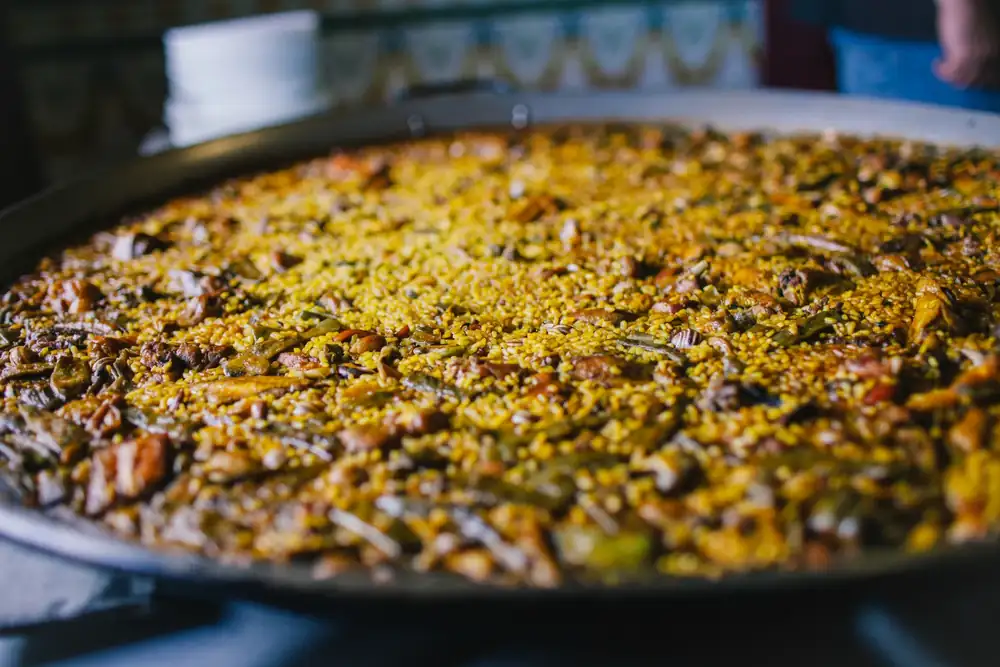
Where to eat the best paella in Spain: four destinations recommended by Forbes
There's one dish that justifies an entire trip: paella.
There's one dish that justifies an entire trip: paella. And there are four destinations where it's prepared better than anywhere else, the ones Forbes Spain has compiled to answer the question: where to eat the best paella in Spain?
The selection travels through Valencia, Alicante, Picassent and Benicarló, four stops that demonstrate that the culture of rice goes far beyond a single recipe: there are wood-fired paellas, signature rice dishes, creamy fish dishes and seafood cuisine from the Castellón coast.
And keep in mind that the journey itself is also about planning. The route itself lends itself to being planned in a motorhome, combining restaurants, markets, and scenery. We'll talk about that later.
Four destinations to eat the best paella in Spain
Valencian paella is recognized by the Valencian Government as an Intangible Cultural Heritage Asset, and that's evident at every table. Here, rice isn't just a side dish: it's the land itself, a celebration, and food meant to be shared. Take note, because these four places are worth the detour.
1. Casa Carmela, in Valencia: the paella that plays on home turf
Starting in Valencia is practically a must, and Casa Carmela is an essential stop near Malvarrosa beach. It's been in business since 1922 and still cooks its paellas over a wood fire. The Valencian paella is prepared with chicken, rabbit, duck, green beans, lima beans, and snails, and the menu also includes seafood rice dishes and more creative options. The restaurant is featured in the Repsol Guide's selection of restaurants where you can eat a good paella in Valencia.
2. La Sastrería, in Alicante: signature rice dishes beyond paella
Alicante proves that rice dishes in the Valencian Community encompass much more than just paella. Arroz a banda, arroz del senyoret, creamy rice dishes, and preparations featuring fish, vegetables, and seasonal produce are all part of a distinctly Mediterranean rice culture. In this small restaurant, signature rice dishes are the house specialty: creamy cod and artichoke rice, rice with mountain sausage, or lean pork with vegetables. The restaurant is listed among the eight must-visit places to eat rice in Spain.
Eating rice in the Valencian Community is much more than ordering paella: it's about understanding a landscape, a vegetable garden, and a way of sitting at the table without looking at the clock.
3. L'Alter, in Picassent: the Valencian wood-fired paella
Just a few kilometers from the capital, in Picassent, tradition still thrives. L'Alter is a leading example of traditional Valencian cuisine, as highlighted by the Repsol Guide, and its star attraction is Valencian paella: rice, chicken, rabbit, garrofó beans, ferradura beans, tomato, paprika, saffron, and rosemary. Its family history has been linked to paella making since the 1960s, always cooked over a wood fire. It's a perfect stop to discover a more rural side of Valencia.
4. Tràngol, in Benicarló: rice dishes with flavor from the coast of Castellón
The route heads north to Benicarló, where rice dishes take on a seafood twist. Tràngol takes the traditional seafood cuisine of the northern coast of Castellón and puts a creative and modern spin on it, and its rice dishes are one of the restaurant's hallmarks, according to the Repsol Guide. In contrast to inland paella with meat and vegetables, here the Mediterranean reigns supreme: fish, shellfish, and a coastal town. A perfect ending before continuing on to Peñíscola and the Maestrat region.
Paella on the road: the plan to cook it in the motorhome
A road trip through the Valencian Community can have many stops, but there's one that shouldn't be missed: the table. Cooking paella in your motorhome is a simple way to turn any stop into a culinary experience and enjoy freshly cooked rice, outdoors and right on the road.
The recipe doesn't require too many ingredients: rice, chicken, rabbit, green beans, lima beans, tomato, olive oil, paprika, and saffron. The quantities are adjusted to taste and according to the number of people eating, just like with any homemade paella.
Order matters more than haste. With the sofrito prepared beforehand to save time, brown the meat in the paella pan, add the vegetables and the sofrito, and cover with water to create the broth.
Once it comes to a boil, add the rice and spread it evenly throughout the paella pan. From then on, patience is key: high heat at first, then lower, and don't stir. When the broth has been absorbed and the rice is cooked, a few minutes of resting will do the rest.
However, always respect the rules of the place where you park and the conditions for using the kitchen equipment.
Why Valencian rice culture is worth the trip
The beauty of this route is that it's not limited to just one dish. Valencian paella is protected as a cultural asset, but rice in the Valencian Community is expressed in many different ways: the wood-fired paella of the interior, the seafood paella of the coast, and the signature paella, which plays with seasonal produce. This variety transforms a meal into a reason to travel.
If you're planning a trip this autumn, book in advance at the most popular places and check opening hours, availability, and prices, which vary depending on the season and the accommodation. And if you're traveling by campervan, make sure to visit the local markets: fresh produce from the garden is the best souvenir you can take home.
🍽️ The foodie card
- 🏠 Local / Establishment: Casa Carmela, La Sastrería, L'Alter and Tràngol.
- 📍 Location: Valencia, Alicante, Picassent and Benicarló.
- 🍴 Type of food / Specialty: Wood-fired paellas, signature rice dishes and seafood cuisine.
- 💰 Average price: Check the price and availability at each location.