Weekly menu from September 14th to 20th: seven days to truly vary your home cooking
This week we're going from the frying pan to the wok, from papillote to the grill, and from a casserole of legumes to a pastry topped with onions.
We've also played with timing. Some dishes are prepared almost to order, while others benefit from the opposite: a caponata that improves after resting, fried foods whose batter needs to chill, or a falafel that starts the day before by soaking the chickpeas. With proper distribution, the longest tasks don't necessarily have to coincide with lunchtime.
And the weekend doesn't turn into a succession of heavy dishes either. There's a vegetarian meal with rice, grilled shrimp, a Uruguayan figazza, and falafel to finish off Sunday. For breakfasts and afternoon snacks, we offer one savory option and two quite different sweet ones, and we wrap up with three practical tips for making the most of your shopping and pantry.
Monday, September 14
Lunch. We start with honey chicken with thyme and rosemary. The chicken breast is marinated in honey, soy sauce, and the aromatic herbs before being pan-fried. It then finishes cooking in the same sauce, which reduces and thickens slightly. The recipe also includes potatoes, so we have a fairly complete meal without having to prepare a separate side dish.
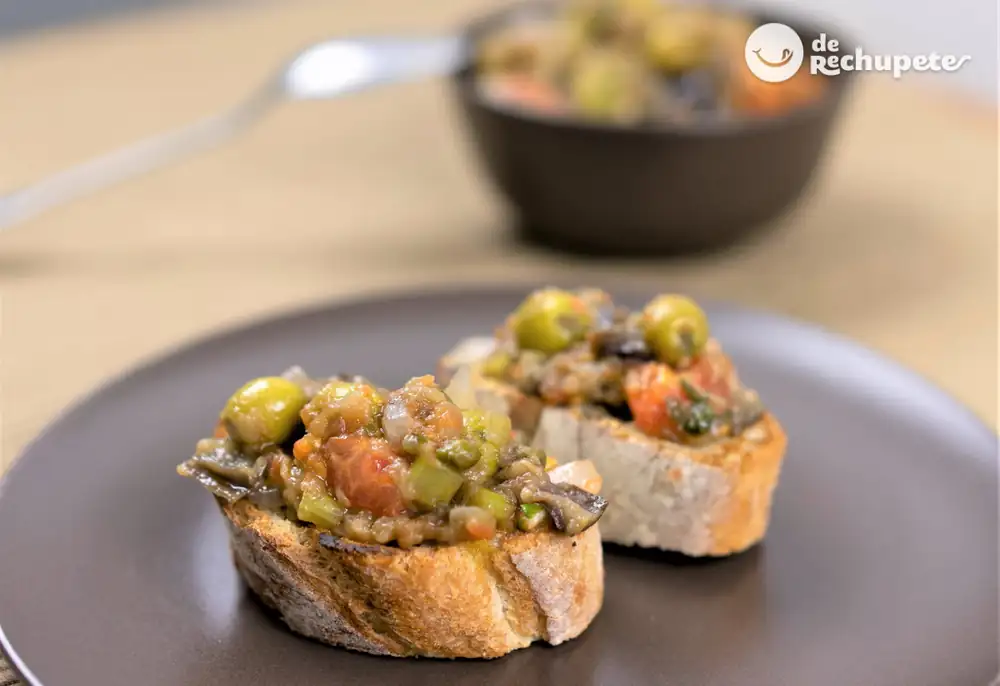
Dinner. Sicilian eggplant caponata takes us to another level. Eggplant, tomato, celery, onion, olives, and capers are finished with sugar and vinegar to achieve that characteristic sweet and sour flavor. It can be served hot or cold, and resting is especially beneficial, so you can prepare it in advance and serve it on toast.
Tuesday, September 15
Food. It's chickpeas in a seafood sauce with clams and mushrooms. The recipe uses pre-cooked chickpeas, so most of the work is focused on preparing the sofrito and opening the clams. The liquid they release, along with the white wine, is then returned to the pot and gives the stew its distinctly seafood flavor.
Dinner. For tonight we're having a traditional Spanish omelet with potatoes, peppers, onions, Serrano ham, mushrooms, and peas. It's much more substantial than a simple potato omelet and allows us to cook a good portion of dinner in just one pan. The mixture rests for a few minutes with the egg before cooking, and we can make it more or less runny depending on our preference.
Wednesday, September 16
Lunch. Midweek we switched up the kitchen with a coconut fish curry. First, a base of onion, tomato, garlic, ginger, and spices is cooked; then the coconut milk is added, and only at the very end are the large pieces of hake added. This order is important because it allows the sauce to reduce properly without overcooking the fish. A side of basmati rice is perfect for soaking it up.
Dinner. We're sticking with a quick dish, but we're completely changing the texture: rice noodles with chicken and vegetables. The finely chopped vegetables are cooked briefly in a very hot wok or pan, then the chicken is stir-fried, and an egg is added before finishing with the noodles and soy sauce. It's best to have everything chopped before starting because the cooking process is really fast.
Thursday, September 17
Food. We're bringing back rice, but in a format that works perfectly as a main course: three-delight fried rice. It includes prawns, peas, carrots, cooked ham, and a thin omelet cut into strips. The rice is cooked first and then sauteed for a few minutes with all the ingredients so that it's fluffy and has that slightly toasted texture we're looking for.
Dinner. French-style vegetable tian requires an oven and time, but it has a clear advantage: it can be cooked in advance. Sliced vegetables are arranged on a bed of tomato sauce with onions and peppers, Provençal herbs are added, and it's baked first covered and then uncovered. It's good hot, warm, or cold, and the flavor intensifies the next day.
Friday, September 18
Lunch. We're wrapping up the work week with sea bass en papillote with pea rice. The head and bones are used to make the stock, which is then mixed with a pea purée to cook the rice. The sea bass only needs about ten minutes in its parchment paper in the oven, so it's a good idea to coordinate the timings so that the fish and rice arrive freshly cooked at the table.
Dinner. For Friday, we're changing things up with some Navarrese-style fried ham and cheese. We make a firm béchamel sauce with layers of cooked ham and cheese in the center, let it cool for several hours, cut it into pieces, and then coat it in breadcrumbs. The contrast is between the crispy exterior and the creamy, melt-in-your-mouth center. We can do all the work in advance and just set aside the fried portion.
Saturday, September 19
Lunch. For Saturday, we have vegetarian tomato meatballs with white rice. These Greek pseftokefedes are made with tomato, onion, garlic, herbs, egg, and flour, with a touch of raisins and cinnamon. They are fried and served with a warm tomato and onion sauce. With the rice on the side, we have a vegetarian dish that's much more substantial than a simple side of vegetables.
Dinner. We're off to Uruguay with a Montevideo-style onion figazza. The dough is left thick and tender, spread out on a baking sheet, and covered with plenty of softened onions, oil, oregano, and pepper. In this version, there's no tomato or mozzarella: the onion is truly the star, and the dough has a crumbier texture than a thin-crust pizza.
Sunday, September 20
Food. Sunday is a great day to fire up the grill and prepare grilled prawns with shimi sauce. The prawns are thoroughly dried before being cooked over high heat, and the sauce is added only afterward. It contains cilantro, mint, lime, ginger, chili, fish sauce, and white miso, so you'll find smoke, acidity, spice, and plenty of fresh herbs all in one dish. If you want to make the meal more substantial, you can serve them with jasmine rice.
Dinner. We finished with homemade falafel with yogurt sauce. It's important to remember one thing here: the chickpeas are dried and need to be soaked for at least 24 hours; no pre-cooked chickpeas are used. Then they are blended with onion, garlic, cilantro, parsley, and spices. The mixture rests, and the falafel pieces are formed before frying. Served with yogurt sauce and some pita bread, it makes a perfect dinner to share.
Breakfasts and snacks for this week
For a late weekend breakfast, we can prepare Eggs Benedict. Toasted bread, bacon, a poached egg, and hollandaise sauce make for a fairly substantial breakfast. It's best not to prepare it too far in advance: the hollandaise sauce is meant to be served hot or warm, not stored overnight.
If you're looking for a cold and completely different snack, try Korean bingsu, or patbingsu. The milk base is frozen in a thin layer and then blended in short pulses until it reaches a snow-like texture. It's topped with sweet azuki beans, mango, strawberries, and tteok (cornmeal dumplings). You can prepare almost all the components in advance, but the blending and assembly should be done just before serving.
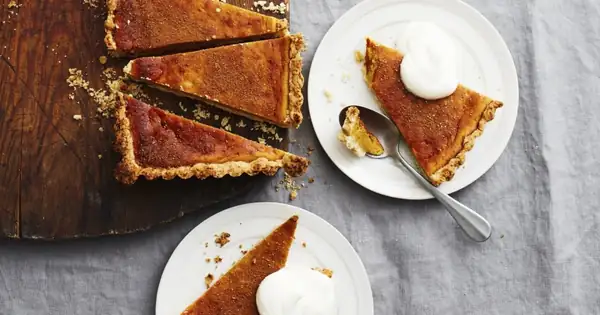
And for a more leisurely afternoon snack, we have the Neapolitan lemon and ricotta Babbaiola. It combines a lemon shortcrust pastry with custard and ricotta, and needs several hours in the refrigerator after baking for the filling to set. In this case, preparing it the day before is even an advantage.
Useful articles for organizing your week
If you keep dried legumes in your pantry, it's a good idea to keep this guide on lentil types, soaking times, and cooking times handy. Pardina, Castellana, Beluga, Verdina, and red lentils don't all cook the same way, and knowing their cooking times prevents you from accidentally cooking them all as if they were interchangeable.
It's also worth reviewing how to store bread to keep it fresh longer. Paper, cloth, bags, bread boxes, refrigerators, and freezers don't all work the same way. If you know you'll have leftovers, freezing it while it's still fresh is much better than waiting for it to harden.
And for those days when we don't feel like cooking, we can save these no-cook recipes to eat well without turning on the stove. The selection goes far beyond salads: it includes tartares, carpaccios, ceviches, cold soups, spreads, and dishes substantial enough to fill a lunch or dinner.
How to organize this weekly menu
Here are several dishes that benefit from being prepared in advance. Sicilian caponata can be made the day before, and vegetable tian is also perfectly suited to being cooked ahead of time and reheated. These are two excellent options for making the most of oven or stovetop time without being tied to the exact dinner time.
With coconut fish curry, we can prepare the sauce up to two days in advance and add the hake only when we're ready to eat. However, sea bass en papillote with pea rice deserves a different approach: we can prepare the broth and the peas ahead of time, but it's best to finish the rice and the fish close to serving.
Navarrese fried foods are perfect for splitting the work. On Thursday, we can prepare the béchamel sauce, ham, and cheese and leave it in the refrigerator overnight. On Friday, we'll only need to cut, bread, and fry them. They can even be frozen already breaded if we want to save some of the batch.
For Sunday, you need to think about the falafel first: on Saturday, you should soak the dried chickpeas. The shrimp with shimi sauce work in the opposite way. The sauce can be prepared a few hours in advance, but the shrimp benefit from a short cooking time and immediate serving.
We can also spread out our fish shopping instead of bringing everything home on Monday. We'll get the hake for the curry midweek, the sea bass on Friday, and the prawns on Sunday. This way, we reduce storage time and buy each item closer to when we'll need it.
There's also work that can be done in advance with desserts. Neapolitan babbaiola needs to be chilled and can wait until the next day, while for Korean bingsu, you can freeze the milk and prepare the accompaniments. Eggs Benedict, on the other hand, is best left until just before serving: the poached egg, toasted bread, and hollandaise sauce lose much of their appeal if left to sit.