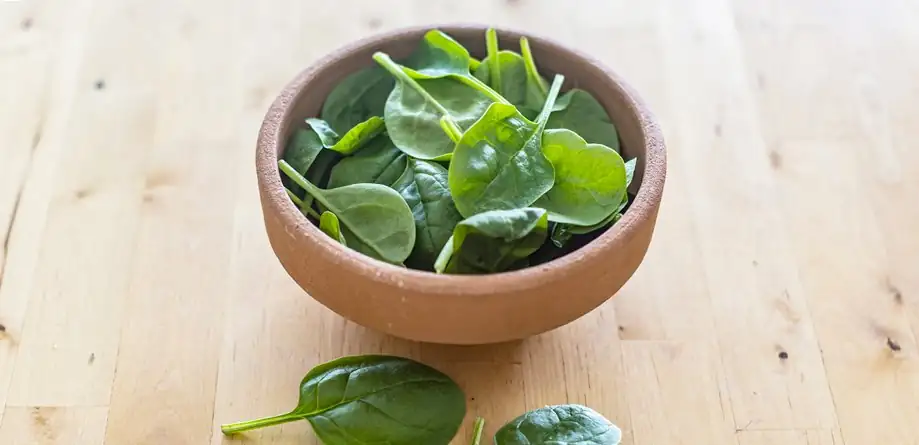
Are You Really Washing Spinach Properly? A Mistake Many People Make
Although spinach may appear clean, its leaves often harbor tiny particles of soil, sand, and other impurities. Because it grows close to the ground, the leaves are particularly exposed to dirt and potential microorganisms.
Why isn't just a quick rinse under water always enough?
Many people simply rinse their spinach under running water for a few seconds. This removes some of the dirt, but sand and soil often remain in the folds of the leaves.
Therefore, a more effective method is to soak in cold water. This will help the dirt separate from the leaves and sink to the bottom of the container.
The process is simple:
1. First, remove any wilted, damaged or yellowed leaves. 2. Fill a large bowl with cold water. 3. Submerge the leaves in the water and gently mix them with your hands. 4. Let them sit for a few minutes so that the soil settles to the bottom. 5. Then carefully lift the spinach out of the water instead of draining the water through the leaves. This prevents dirt from being transferred back to the vegetables. 6. Finally, rinse the leaves again under cold running water.
If the spinach is very dirty, repeat the process again.
Should I also use vinegar and baking soda?
There are many online resources on how to wash vegetables with vinegar or baking soda. Some sites mention that a diluted vinegar solution can help to further clean the surface of the leaves, but they emphasize that for most home kitchens, a thorough wash in cold water is sufficient.
It is especially important to never use soap or detergents for washing, as residues of these substances can remain on the food.
What about spinach from a bag?
The packaging often states that spinach is already washed or ready to use. Such products have been industrially cleaned, so additional washing is usually not necessary. Some experts even warn that rewashing can increase the risk of cross-contamination in the home kitchen.
However, if you notice any soil or other impurities, rinse it anyway.
Another common mistake: wet spinach in the refrigerator
Washing is important, but drying is equally important. Wet leaves spoil faster and lose their freshness. Therefore, it is recommended to dry the washed spinach well, use a salad spinner, or gently pat it dry with a kitchen towel.
If you want to save it for later, keep it in a sealed container or bag along with a paper towel to absorb excess moisture.
Small step, big difference
Washing spinach properly only takes a few minutes, but it can significantly improve the taste of the dish and reduce the chance of sand, dirt, or other unwanted impurities ending up on your plate. So next time you're making a spinach salad, soup, or side dish, take a few extra minutes and your taste buds will thank you.
Vir: The Living Look, Net.hr, Life Logic Lab.