Steiner and biodynamics: successes and controversies
Back in 1924 in Koberwitz near Breslau, Poland, Rudolf Steiner delivered a series of eight lectures entitled "Spiritual-Scientific Impulses for the Development of Agriculture," which laid the foundation for the agricultural practice now known as biodynamics.
Biodynamics: A Response to the Abandonment of Traditional Practices
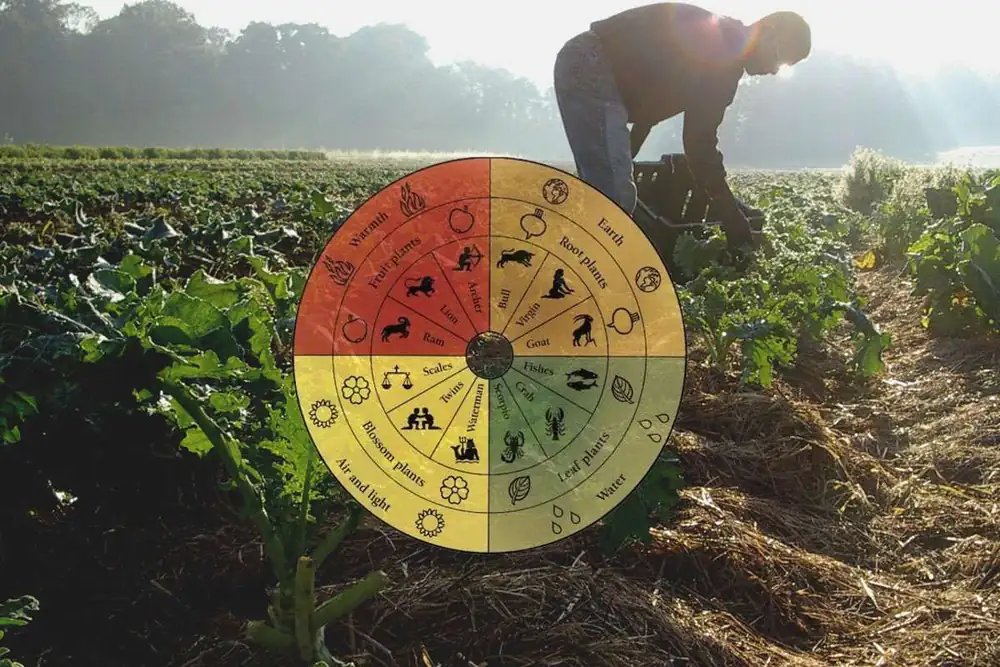
Biodynamics is a holistic and sustainable approach that integrates traditional agricultural practices with a spiritual vision of nature and the universe. This methodology is based on the idea that farms are self-sufficient living organisms, in balance with their surrounding environment. Steiner introduced biodynamic preparations, natural mixes to improve soil fertility, and emphasized the use of a planting calendar based on lunar and planetary cycles. By promoting sustainable practices that respect natural cycles, Steiner laid the foundation for modern organic and sustainable agriculture, profoundly influencing the agricultural sector with a respectful and integrated vision of nature.
Biodynamics arose in response to the farming population abandoning traditional practices such as cover crops, crop rotation, and composting in favor of chemical fertilizers based on ammonia—the same substance that had recently caused unprecedented devastation in the trenches of World War I.
Today, a century later, biodynamic viticulture is synonymous with quality, and many young people still find Steiner's ecological message appealing. Claire Jarreau, head winemaker at Brooks in Oregon's Willamette Valley, told Decanter: "At 27, I decided to dedicate my career to biodynamic wine because it seemed like a very progressive choice." Certification from the international biodynamic association Demeter ties in very well with the concepts of "health, well-being, and transparency that are important to younger generations."
Steiner: genius and criticality
Steiner was extraordinarily farsighted in his holistic vision of agriculture and his concern for the planet. For example, he foresaw the development of mad cow disease (BSE)—a fatal neurodegenerative disease that affects livestock and can be transmitted to humans—and the negative effects of conventional agriculture. But his expertise extended beyond agriculture: he was a renowned philosopher, writing on Goethe and Nietzsche, a spiritual leader, an educator who founded the Waldorf school system, a healer who developed anthroposophic medicine, and co-founded the Weleda skincare line.
A century after the birth of biodynamics, Steiner's work remains impressive. Among other things, he wrote 28 books and gave over 6,000 lectures. His incredible ability to produce brilliant content on numerous topics did not prevent him from occasionally falling into fantasy excesses (gnomes, undines, sylphs, and fire spirits) or questionable theories about races. In his thinking, races were linked to different cultural and spiritual epochs. He believed that humanity evolved spiritually through various "cultural epochs," each associated with specific races or ethnic groups.
Steiner's ideas on race have been the subject of intense criticism and debate, especially because some of his statements seemed to imply a hierarchy among races, some considered more spiritually evolved than others. In particular, Steiner claimed that the Caucasian (white) race represented a more advanced stage of spiritual development, a view that was later associated with Nazi ideologies, even though Steiner never supported Nazism, especially since he died in 1925.
He also advocated a kind of evolution, according to which the fate of the less evolved races was to disappear over time, only the more evolved ones would progress. Steiner linked racial characteristics to cosmic and spiritual influences, suggesting that different races were the product of different planetary and spiritual influences.
Kenzie Bindrup, project manager at Winery Lane Collective in Oregon (a company that offers and promotes a range of wine and food experiences, including picnics, in-depth guided tastings, and events), puts Steiner's work in the same category as Michael Jackson's music: "I respect the art but not the artist." Bindrup, of Korean descent and raised Mormon, says she seeks to identify what is useful and positive within Steiner's complex system of thought and practices: "For me, it's about intentionality and awareness—whether it's about the land, animals, or humans. I set aside the criticisms and controversies and take what I believe is valid and right."
Despite Steiner's controversial claims, biodynamic viticulture continues to thrive, fueled by the passion of those who see it as the most sustainable and healthy method for the future of agriculture. The challenge remains to recognize and expose Steiner's flawed ideas, while maintaining the sound and progressive principles that have made biodynamics a respected and widespread practice worldwide.