Theo James’s Burro e Parmigiano Recipe
Step 1 Bring a medium pot of salted water to a boil.
- Salt
- 1 cup dark chicken stock (preferably homemade), see Tip
- ½ cup plus 1 tablespoon unsalted European-style butter, divided
- 10 ½ ounces fresh tagliatelle
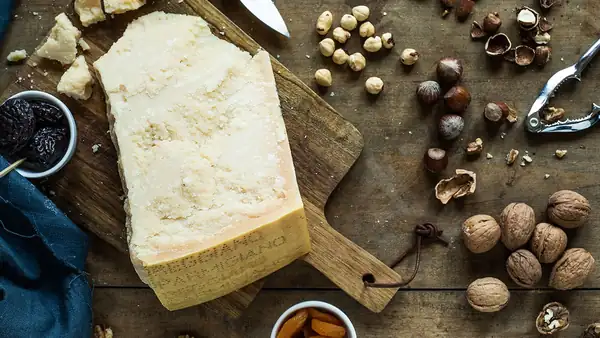
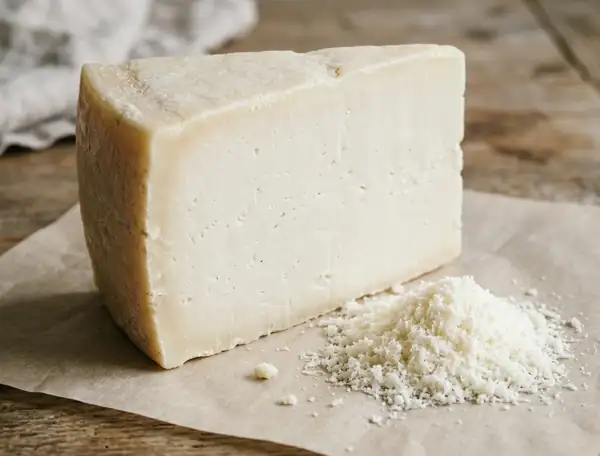
- 2 ounces Parmigiano Reggiano (preferably aged 30 months), freshly grated, plus more for serving
- ½ lemon
- Bring a medium pot of salted water to a boil.
- Place the chicken stock in a large sauté pan or skillet, add a bit of the butter and bring to a simmer on medium-high heat. Reduce heat to maintain a simmer.
- Add tagliatelle to the pot of boiling water and cook until barely al dente, 2 to 3 minutes depending on pasta thickness.
- Using tongs, transfer the tagliatelle to the pan with the chicken stock and butter. Simmer until the liquid is reduced by about half, 3 to 5 minutes. Remove from the heat.
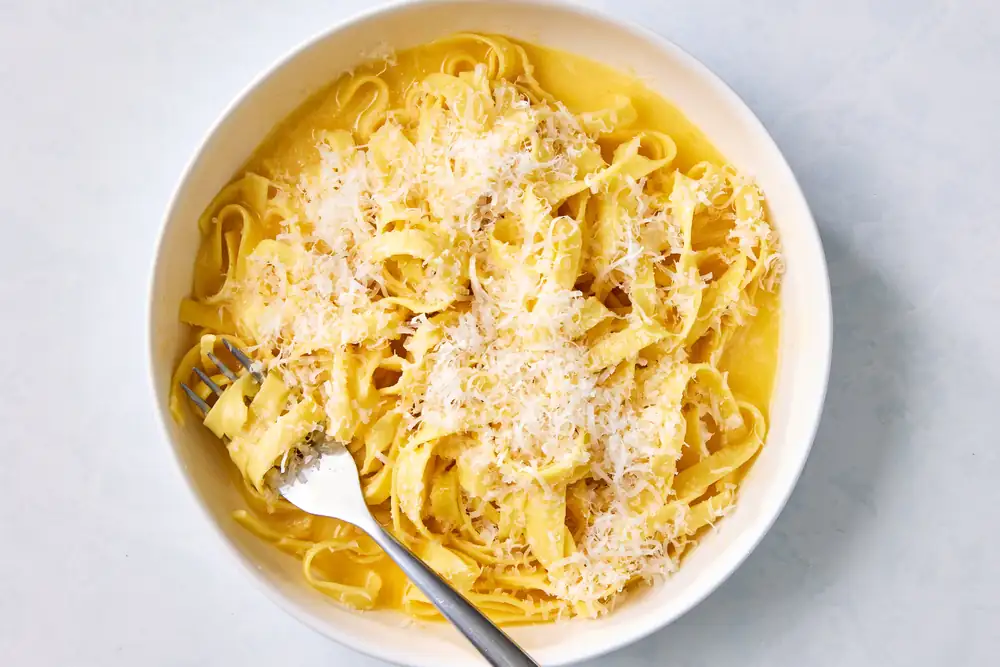
- Add remaining butter and a pinch of salt and toss to coat. While stirring vigorously, very gradually incorporate the cheese until the sauce reaches the desired consistency. The pasta should be nicely coated with a creamy, glossy sauce; if you feel like your pasta is getting too dry, add a bit of the pasta cooking water. Add a squeeze of lemon juice and toss again.
- Taste and add another squeeze of lemon and a pinch of salt, as needed. Divide among plates and serve with a sprinkle of Parmesan on top.
- Step 2 Place the chicken stock in a large sauté pan or skillet, add a bit of the butter and bring to a simmer on medium-high heat. Reduce heat to maintain a simmer.
- Step 3 Add tagliatelle to the pot of boiling water and cook until barely al dente, 2 to 3 minutes depending on pasta thickness.
- Step 4 Using tongs, transfer the tagliatelle to the pan with the chicken stock and butter. Simmer until the liquid is reduced by about half, 3 to 5 minutes. Remove from the heat.
- Step 5 Add remaining butter and a pinch of salt and toss to coat. While stirring vigorously, very gradually incorporate the cheese until the sauce reaches the desired consistency. The pasta should be nicely coated with a creamy, glossy sauce; if you feel like your pasta is getting too dry, add a bit of the pasta cooking water. Add a squeeze of lemon juice and toss again.
- Step 6 Taste and add another squeeze of lemon and a pinch of salt, as needed. Divide among plates and serve with a sprinkle of Parmesan on top.
- Dark chicken stock (also called brown chicken stock), is made by roasting chicken bones, and often the aromatics, until deeply browned before simmering.
Why not just cook the pasta in the broth? It’s fast and delicious!
While this recipe is probably very good, I feel like it's trying a bit too hard. As someone of northern Italian descent, I grew up eating the more traditional version. Simply boil some pasta, drain quickly, throw it back in the still warm pot with a few pats of butter, mix in some quality parmesan or parmigiano and (optionally) chopped flatleaf parsley. The Roman emulsification technique is not traditional in the north, and I feel it can make things too rich for a weeknight dinner.
I made it tonight & it was delicious. Used vegetable broth because I do not eat meat & used much less butter. Despite these small changes it was tasty, creamy and looked like the recipe description.
Of course, there is nothing wrong with calling for the best and freshest ingredients, but it's neither inspired, nor original. They can congratulate themselves, but I'm not applauding. How many £'s extra do the Amalfi lemons add to the price of this dish? I'm a curmudgeon, but this is a bit precious.
Every now and then, I have a version of this for breakfast: I cook up 1/3 cup of Rummo's stelline (5 - 6 minutes), drain, throw in a knob of butter, and microplane the Parm over it all. Not much nutritional value, but oh so yummy.
Question about the dark broth if anyone can help: do you roast the bones of a chicken that’s already been cooked with some aromatics? For example if you cooked a chicken, ate the meat, and had leftover bones?