Why does food often taste better the next day? And is that really true?
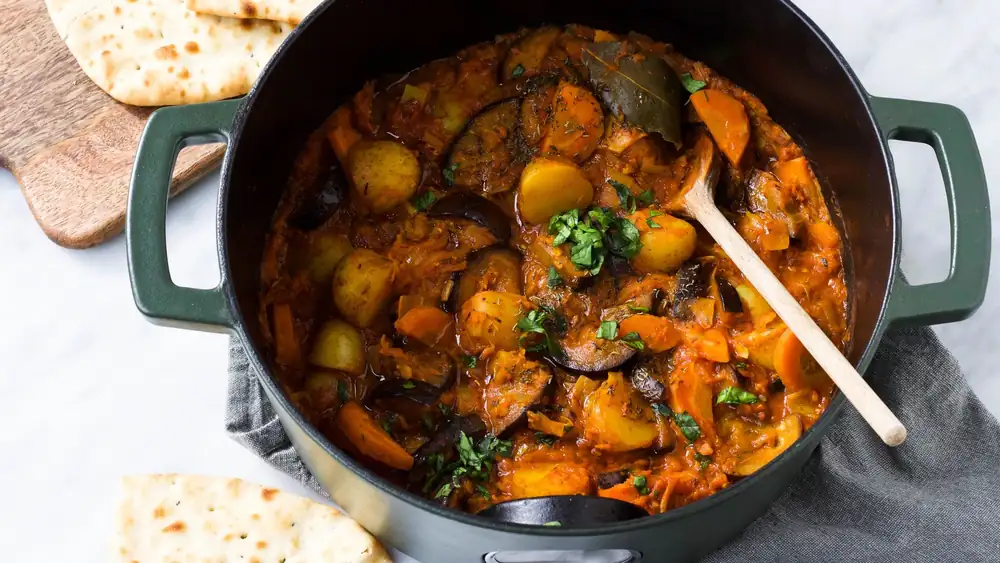
A curry that tastes even better the next day. Stewed meat that suddenly has much more depth after a night in the fridge. And lasagna where the leftovers might actually be better than the first batch. We say it often: food tastes better the next day. But is that actually true?
The short answer: with some dishes, there really is something going on. Dishes with lots of spices, sauces, and slow-cooked ingredients, in particular, can benefit from resting overnight. However, it is not the case that every dish automatically improves if you let it stand for a day.
Oh, and maybe there is a little bit of psychology involved too. Leftovers that you only have to heat up the next day can simply taste extra good because you don't have to do anything yourself. That counts as well.
This is what happens to your food at night
Of course, no kind of magical flavor transformation takes place overnight. The ingredients naturally remain largely the same. It is primarily the time in which flavors can distribute and blend that can make a difference.
Especially in sauces and stews, aromatic compounds can spread further throughout the dish. Substances from, for example, garlic, onion, herbs, and spices dissolve in the liquid and fat of a dish and are thereby distributed more evenly. As a result, the next day you sometimes taste the ingredients less individually and more as a unified whole.
Fat also plays an important role. Many aromas and flavors from spices are fat-soluble. In a dish containing oil, butter, or other fat, these substances can disperse within it and continue to permeate the dish during storage. Upon reheating, various volatile aromatic compounds are subsequently released that your nose perceives. And it is precisely this scent that is a major component of what we experience as taste.
Additionally, various small chemical changes can occur during cooling and storage. Acids, sugars, and proteins can react with each other, causing flavors to round off or change slightly. This does not happen to the same extent in every dish, and it certainly does not mean that a dish automatically becomes tastier. However, with complex dishes containing many ingredients, time can ensure that flavors become better integrated.
Not all food tastes better the next day.
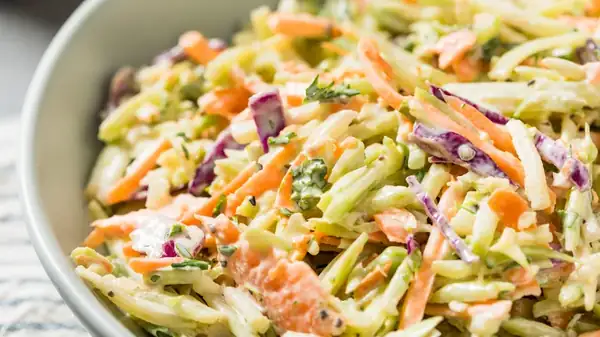
Not every dish benefits from resting overnight. Dishes where crispness, freshness, or airiness are important actually lose some of their quality. Think of fries, tempura, and other fried dishes: the crispy exterior softens as soon as moisture spreads throughout the dish. It is also better to eat a salad with dressing immediately, otherwise the lettuce and vegetables will wilt.
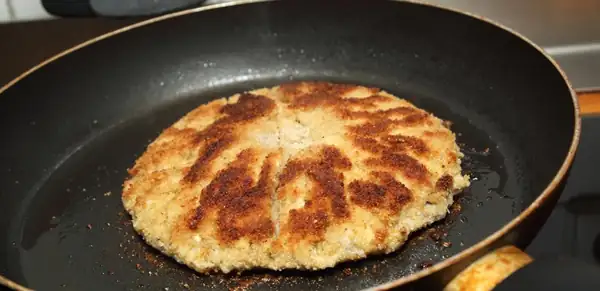
The same applies to dishes that derive their charm from a perfect texture. A risotto is creamy and loose fresh from the pan, whereas it is much firmer the next day. A crispy roll can become soggy due to the filling, and fried fish often loses its crispy crust when reheated. And then there are dishes that are simply best when fresh: an omelet, scrambled eggs, a fried egg, or a plate of pasta with a very delicate sauce.