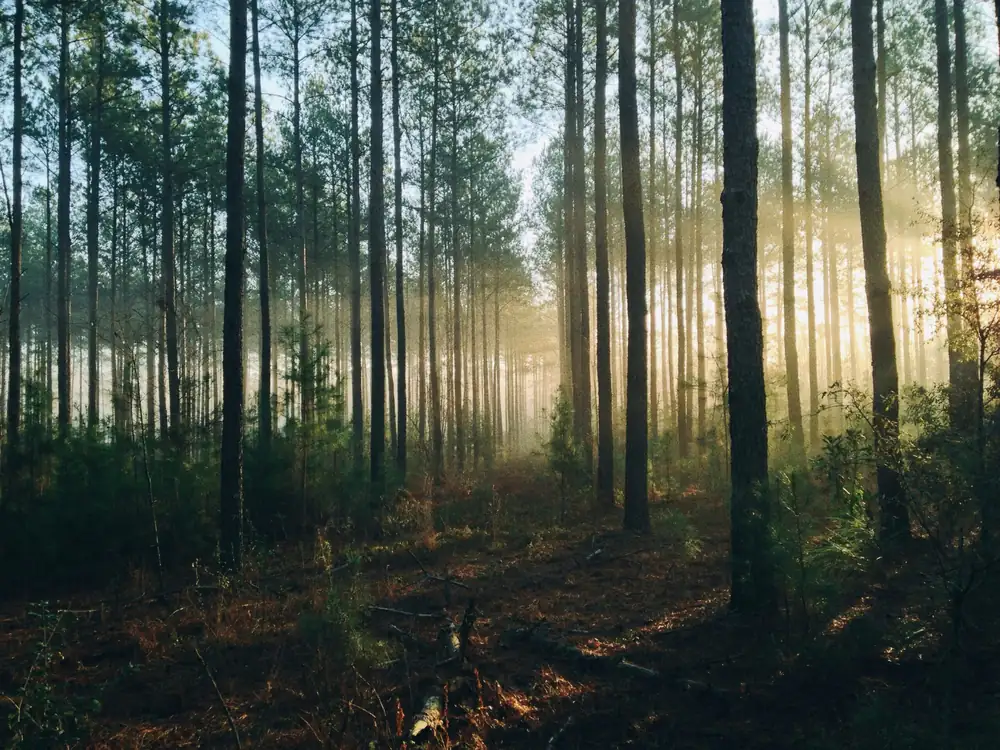
From forest to table: the influence of wilderness on Scandinavian cuisine
Wild berries, mushrooms and herbs have long defined Nordic cuisine. In Sweden, Norway and Finland, foraging is not a passing trend but a tradition – one built on accessibility, seasonality and a deep connection to nature.
In many parts of Europe, the interest in wild-collected materials is emerging as a rediscovered trend. In the Nordic countries, however, it never disappeared. Collecting from nature is still part of everyday life today – less a hobby, more a permanent cultural presence.
At the heart of the tradition is a specific principle, known as Allemansrätten in Sweden and as kansjokiokeidet in Finland. These so-called “everyone’s rights” allow anyone to move freely in forests and rural areas and to gather berries, mushrooms and herbs for their own use. This accessibility has developed lasting customs. Nature is not treated as a distant, isolated space, but as part of everyday life – always within reach.
Seasonal pantry
The northern climate leaves little room for out-of-season abundance, so timing is key. Summer is short, and with it comes increased attention to what nature has to offer. In mid-summer, the forests are filled with blueberries and wild strawberries, followed by lingonberries. These are often served in jams, sauces or desserts, preserving the flavors of the short season.
Further north, in the swampy regions of Lapland, grows the dwarf raspberry (also known as the swamp ashberry, lakka), a rare, golden berry whose locations are kept almost as a family secret by the locals.
Berries are valued not only for their taste, but also for their high vitamin and antioxidant content. In late summer and autumn, mushrooms come to the fore – the most sought-after are chanterelles, porcini mushrooms and various types of milk mushrooms. These ingredients are not considered special: they are prepared simply, often with few ingredients, or preserved for later use.
Living tradition
Although gathering has gained increasing attention worldwide in recent years, it has always maintained a low-key presence in the Nordic countries. Its appeal lies not only in the raw materials but also in the activity itself – in forest walks, following the seasons and being in direct contact with the landscape.
This connection also reflects a broader cultural perspective. Nordic cuisine has long been defined by what is available locally, rather than what is imported. The emphasis on locality, moderation, and a close relationship with nature is a mindset that still defines Scandinavian gastronomy today.
Common approach
In Sweden, Norway and Finland, the details may differ, but the principle is the same. Forests are not special destinations, but rather familiar spaces for people. Picking berries is part of everyday life, and mushroom picking is a skill that is passed down from generation to generation.
In a world where wild-collected ingredients are often presented as a rediscovery, the Nordic countries offer a different perspective. Here, it is all constantly present – as a connection between landscape and table, shaped by access, seasonality and habit.