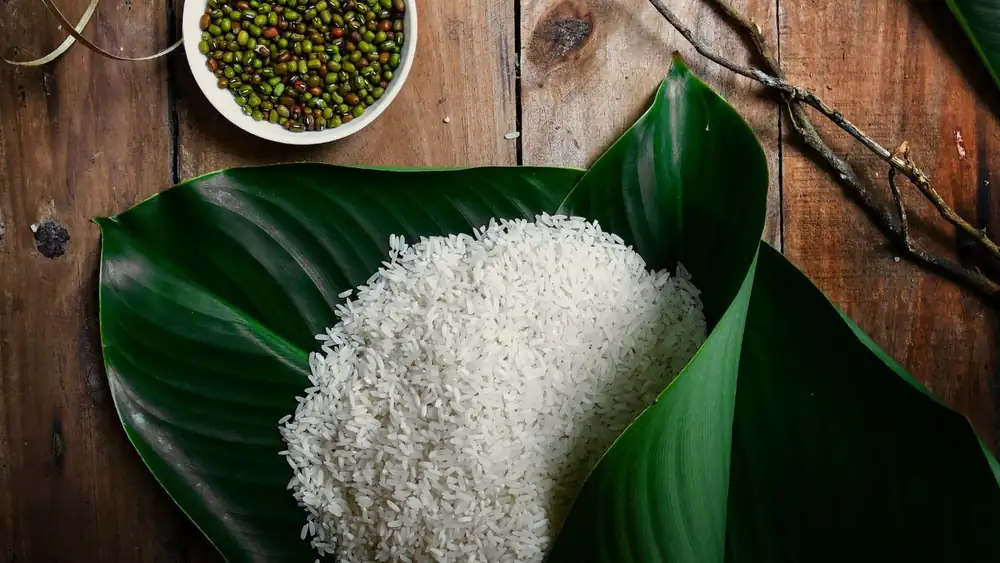
A guide to the types of rice in the world
Statistically speaking, if you're a human being on planet Earth, rice is probably your staple food. The starches it contains were strong enough to bind the stones used to build the Great Wall of China.
And yet, the meticulous methods required for its cultivation and cooking have long made it the preferred grain in royal kitchens. Whether you enjoy it as polo, biryani, or risotto, rice is both the grain of the people and a delicacy of the rich and powerful. Below, we'll tell you about the different types of rice found around the world.
There are many varieties of rice. Most, though not all, are varieties of Oryza sativa, the Asian rice grain originally domesticated during the Neolithic Revolution. Today, we have access to more types of rice than a Persian monarch, each with its own unique biochemistry and qualities. Understanding the differences between them is worthwhile. This is a guide to many of the most common varieties, with tips on how to cook them, so you too can participate in this essential culinary tradition that dates back to the dawn of human civilization.
Long grain rice
Rice contains two main starches: amylose and amylopectin, which, along with the processing method, influence how the grain behaves when cooked. Rice grains with a high amylopectin content become sticky and mushy when cooked. Most long- and medium-grain rices are richer in amylose, resulting in grains that tend to puff up and separate. Long-grain varieties are often the most aromatic, with scents of toasted grain, tropical herbs, and wildflowers. Long-grain rice is an excellent table rice, of course, and is also ideal for dishes where you don't want the rice grains to stick together, such as biryani, pilaf, and fried rice.
Basmati and jasmine are the two most popular types of long-grain rice. Generally, you can substitute one for the other and still get a mountain of fluffy grains. Which you prefer may depend on your culture or where you shop. Basmati is longer and a bit more brittle, with a slightly earthy aroma, and is popular in South Asia and the Middle East. Jasmine is thicker and more pliable, with a fresh, floral fragrance, and is widely used in Southeast Asia. You can also find kalijira, a medium-grain rice that cooks like long-grain. This product from Bangladesh is famous for its delicate aroma and texture.
In the United States, Texmati is a popular basmati variety, though purists may criticize its relative lack of aroma. Carolina Gold is another landrace rice: an ancient specialty crop that virtually died out in the mid-20th century and is now making a comeback thanks to its American heritage and fantastic notes of toasted nuts and freshly baked bread.
Creamy rice
Whether you're preparing asopao, juk, or risotto, soupy rice is characterized by its exceptionally tender grains that have released much of their starch to enrich the broth. Any rice cooked long enough will exhibit these qualities, but Italian risotto rices are undoubtedly the most suitable for this task. Carnaroli, Vialone Nano, and Arborio are medium-grain rices that excel at creating a rich, creamy broth while maintaining the integrity of the individual grains, which are tender on the palate but don't completely dissolve.
Rice for paella
There's a whole genre of rice dishes that focus on a crispy base. In Iran, tahdig, with a hint of saffron, is cooked in clay pots over high heat to develop a lacquered crust. Most recipes—and I emphasize most here, as the rice issue is too important to be absolute—call for any long- or medium-grain rice popular in the region. Spanish paella is a notable exception. Bomba and Calasparra are short-grain rices that release enough starch to form a crispy crust on the bottom of the pot; however, when cooked in an open container with ample air circulation, they retain a rough texture that basmati would render mushy. Making paella without the right rice is a daunting task for even the best cooks, and paella rice can be a valuable ally for any rice dish that requires a crispy base.
Short grain rice
Japonica rices, unlike longer-grain indica varieties, tend to contain more water-soluble amylopectin, which causes the grains to stick together during cooking. A common example is "sushi rice," which isn't so much a specific variety as a general term. The short-grain rice you can get at a Japanese or Chinese restaurant—the kind that absorbs some sauce but can be picked up in clumps with chopsticks—is best prepared with rice sold as sushi rice. Calrose is a common variety in the United States and popular in restaurants.
Unlike long-grain rice, which becomes plastic and brittle when cooled, short-grain rice tends to be more tender at room temperature and in the refrigerator. This makes it ideal for cold desserts. Short-grain rice can also absorb a lot of moisture; in Turkey, a variety called baldo is a popular short-grain rice for pilaf, as it absorbs the flavorful cooking liquid and forms slightly sticky clumps on the spoon. In the Indian state of Tamil Nadu, ponni rice is a short-grain variety that is often given to children, the elderly, and the sick, as it is well-suited to porridge preparations and is easily digestible with a relatively low glycemic index.
Glutinous rice
Often called glutinous rice, white glutinous rice doesn't actually contain gluten, the protein in flour. However, it's full of sticky amylopectin and, after a short soak, is ready to be steamed into all sorts of sweet and savory chewy preparations. Plain glutinous rice is a common accompaniment to Thai curries and saucy dishes. Cantonese cooks wrap glutinous rice, fatty meats, and treats like mushrooms in lotus leaves for parcels called lo mai gai. When cooked with sugar and coconut milk, glutinous rice makes a sweet, chewy dessert that's served with fresh mango and lightly salted condensed milk. And mochi, along with many chewy desserts across Asia, is made from glutinous rice that's ground into a fine flour.
Black glutinous rice is a whole-grain variety that retains its purple bran layer. It requires a longer soaking time than white glutinous rice, but it has a more complex texture, a natural sweetness, and a subtle aroma of fruit and pandan. It is especially popular in the dessert preparations mentioned above and creates a striking visual contrast when cooked as a sweet pudding and topped with salted coconut cream.
Brown rice
White rice is polished to remove the germ and the thick bran layer, leaving only the starchy inner endosperm. Brown rice retains these nutrient-rich components to varying degrees. This means it contains more fiber, vitamins, and minerals, and consequently requires more time and water to cook those dense layers. Brown rice requires more effort to chew, but it offers an unparalleled intensity of flavor. In addition to being an excellent table rice, brown rice is ideal for salads or as a stuffing for vegetables.
Common brown rice is polished to remove most of its beneficial properties, leaving a thin layer of bran that provides fiber and a cereal flavor. Himalayan red rice retains more bran and, consequently, has a more intense nuttiness. A black rice called forbidden rice is available, similar to raw black glutinous rice but much less sticky when cooked. Once reserved for the wealthy because of its nutritional profile and intense flavor, it is now used to make all sorts of great-tasting rice dishes. A variant of brown basmati rice called Wehani is a registered invention of a family farm in California; its devotees say it reminds them of warm roasted peanuts.
Wild (and “wild”) rice
The wild rice sold in most markets isn't wild (it's all cultivated these days) and, technically, it isn't rice at all. It's a grass of the genus Zizania that grows in damp habitats similar to those of Oryza. Because it retains the bran and germ, it can be treated like brown rice, although it may take longer to cook. Better yet, it's treated like pasta: boil it in a large pot of salted water and drain it when it's al dente.
The Indigenous peoples of North America’s Great Lakes region used to seek out native rice varieties, and some have continued this tradition to this day. The rice, called manoomin in the Ojibwa language, was typically dried over smoky fires, which contributed to its rich flavor. To meet demand, some of this rice is now cultivated, but Native American wild rice is quite different from the “wild” rice sold in health food stores. It requires much less cooking and has a fresher, nuttier aroma, similar to that of a quality basmati. Groups like the Red Lake Nation now sell this rice to the public.
Dimensionally reconfigured rice
Beyond simple drying, there are several processing methods that alter the shape and texture of rice. If you've ever eaten Rice Krispies, you've tasted puffed rice, which is prepared similarly to popcorn. In Bangladesh and India, it's called jhal or bhel, and it's mixed with mustard oil, chopped vegetables, and spices to make irresistible snacks called jhal muri or bhel puri. Also popular in South Asia is poha, which is steamed rice, flattened until it's as flat as a bookmark, dried again, and sometimes toasted. This dried form can be the starch component of a Nepali thali with a variety of stews, dals, and vegetables, or poha can be further stir-fried in a pan with oil and spices like a hot cereal.
Cơm tấm is white rice that has been broken and crumbled during milling. In Vietnam, this lower-quality rice was a common food for the poor, while wealthy families consumed the pristine varieties. In recent decades, Vietnamese cooks have revived broken rice as part of their culinary heritage, and street vendors in Saigon might serve it alongside a deep-fried pork cutlet, drenched in fish sauce and caramelized sugar. Because broken rice releases extra starch during cooking, it behaves similarly to sushi rice, forming a nice rounded dome when placed in a bowl.
Early cooked rice
Last but not least, we have parboiled rice. Parboiled or converted rice is partially cooked inside the husk and then dried. This makes the rice cook much faster than standard white rice, and the grains are more nutritious, as they have absorbed nutrients from the bran and germ, which are removed before packaging. Instant rice is fully cooked and then dehydrated, similar to dried ramen noodles, so you only need to rehydrate it in hot water for a minute on the stovetop or in the microwave. “Minute rice” loses some flavor and texture in the process, but it works as a convenient, time-saving ingredient in many households. It also makes excellent congee!