Eating with intention on New Year's Eve: food rituals to welcome the New Year
On New Year's Day, food becomes a symbolic gesture. And when it comes to rituals and manifestations, it's not so much the quantity or complexity of the dish that matters, but rather the conscious intention with which it is eaten.
1. Legumes: abundance and prosperity
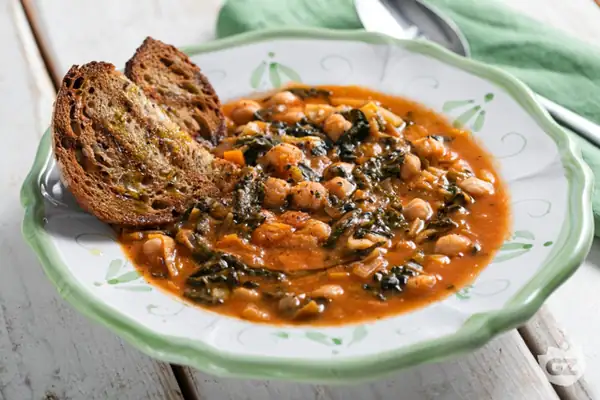
Legumes, especially lentils, symbolize money and economic stability because of their coin-like shape and their ability to "multiply" when cooked.
What can you eat on New Year's Eve
Cooked lentils (alone, in soup or as a side dish)
Beans
Chickpeas
Steps of the ritual
Serve a small portion on a plate or in a bowl.
Before eating, think about what you want to attract: stability, work, economic growth.
Eat at least one spoonful after midnight.
Mentally give thanks for what you already have and for what you hope to receive.
Some people place dried lentils in their pocket or wallet as an extra symbol of abundance.
2. Grains: security and continuity
Grains represent sustenance, perseverance, and a year without want. They are the foundation of many cultures because they symbolize what is essential for life.
Rice
Wheat
Corn
Avena
Steps of the ritual
Choose a simple dish that contains one of these grains.
Serve a small portion; a large plate is not necessary.
Eat mindfully, without rushing, thinking about a stable and balanced year.
Repeat internally a phrase like: "May the essentials not be lacking this year."
Sharing this dish with the family reinforces the symbolism of unity and support.
3. Round foods: cycles that close and renew themselves
The circular shape symbolizes continuity, closure, and new beginnings. Eating round foods represents leaving the old behind and making room for the new.
Grapes
Round loaves of bread
Donas o bagels
Round fruits (apple, orange)
Steps of the ritual
Choose one or more round foods.
Take a moment before eating them to reflect on the year that is ending.
Eat your food with the intention of closing cycles and beginning new ones with clarity.
If you wish, dedicate each bite to something you want to let go of or transform.
This ritual can be done just before the 12 chimes as a symbolic closing act.
4. Sweet foods: a kind year full of good moments
Sweets symbolize joy, affection, and pleasant experiences. The intention is to attract a year with more happy moments than bitter ones.
Chocolate
Homemade desserts
Nougat
Sweet bread
Honey
Steps of the ritual
Choose a sweet treat that you really enjoy.
Eat a small portion after midnight.
Focus on the taste and the feeling of pleasure.
Think of a year filled with lightness, affection, and moments to celebrate.
Sharing the sweet with someone else reinforces the idea of connection and enjoyment.
A simple, yet meaningful ritual
These rituals don't seek magical results, but rather to mark the beginning of the year with care and symbolism. Often, they are learned within the family: someone distributes the grapes, explains their meaning, sets the rhythm of the chimes, or reminds everyone "not to choke." These are moments that create memories and a sense of belonging. Even those who say they don't believe in rituals often repeat them "just in case," because they are part of the emotional experience of saying goodbye to the old year.
Ultimately, New Year's rituals involving food don't promise miracles, but they do offer something valuable: a conscious pause between what has been and what is to come. Eating the 12 grapes, sharing a meal, or repeating family traditions helps us close cycles and begin the new year with hope, intention, and a familiar taste.
Because sometimes, the best purpose is simply to sit at the table, toast, and trust that what's to come can be better.