Did you quit Ozempic or Mounjaro? What to eat to maintain your weight and muscle mass
When you stop taking semaglutide or tirzepatide, your appetite may return, but that doesn't mean you've failed. We'll explain how to organize your meals to feel fuller and maintain muscle mass.
If you felt full after eating very little food while using Ozempic or Mounjaro, you may notice a significant change when you stop taking them: hunger returns, small portions are no longer enough, and maintaining your weight may feel more difficult.
Let's take it one step at a time: this isn't simply a matter of "willpower." When you stop treatment, the effect these medications had on appetite and satiety diminishes. Diet can help you manage this transition, although no menu guarantees you won't regain weight.
It's also important not to stop, restart, or change your treatment without talking to the doctor who prescribed it. If you use these medications to manage type 2 diabetes, changing them may also affect your blood glucose levels.
What happens when you leave Ozempic or Mounjaro?
After stopping semaglutide or tirzapatide, appetite may increase again and the feeling of fullness may decrease. Eating enough protein, fiber, and minimally processed foods, and maintaining regular mealtimes, are important, but this does not replace medical monitoring and does not guarantee weight loss.
What we commonly call the "rebound effect" is usually referred to by specialists as weight regain after stopping treatment. And yes, it can happen.
It is an extension of the STEP 1 trial, conducted with 2.4 milligrams of semaglutide in overweight and obese individuals; participants regained on average about two-thirds of the weight they had lost during the year following discontinuation.
Something similar happened with tirzepatide. An analysis of the SURMOUNT-4 study found that most participants regained some of the weight after discontinuing it; 82% regained at least a quarter of what they had initially lost. This does not mean that everyone will have the same result, as these are specific participants and conditions from a clinical trial.
Why might the so-called rebound effect occur?
Ozempic contains semaglutide, while Mounjaro contains tirzepatide. Although they don't act in exactly the same way, both influence signals related to appetite, satiety, and glucose control.
When the treatment ends, the body no longer receives the same effect. That's why some people feel hungry more often or need a larger portion to feel satisfied.
Here's the important point: regaining weight doesn't automatically mean the person has returned to "bad habits." Obesity is a complex, long-term condition involving hormonal, metabolic, social, emotional, and environmental factors.
What happens to muscle mass?
During significant weight loss, it's not just fat that is lost. Some of it may be lean mass, but it's important to clarify that "lean mass" is not exactly the same as muscle: it also includes water, organs, and other tissues.
In a body composition substudy of the SURMOUNT-1 trial with tirzepatide, approximately 75% of the weight lost was fat and 25% was lean mass. The authors note that this ratio is similar to that observed in other weight-loss treatments.
Therefore, after treatment, it's not important to focus solely on the number on the scale. Maintaining strength, moving easily, and consuming sufficient nutrients are also part of the goal.
You can check out these foods to gain and maintain muscle mass, but remember that eating protein alone does not build muscle.
What to eat after leaving Ozempic or Mounjaro
You don't need a "detox diet" or to live on salad and chicken breast. What's most helpful is to build meals that combine protein, fiber, carbohydrates, and healthy fats so that you're truly satisfied.
A joint guide from organizations specializing in nutrition and obesity recommends prioritizing nutritious and minimally processed foods, consuming enough protein, including fiber, and accompanying the diet with physical activity, especially strength training.
1. Include a source of protein in every meal
Protein plays a role in tissue maintenance and can make a meal more satisfying. It doesn't have to come from supplements or a chicken breast.
You can alternate between:
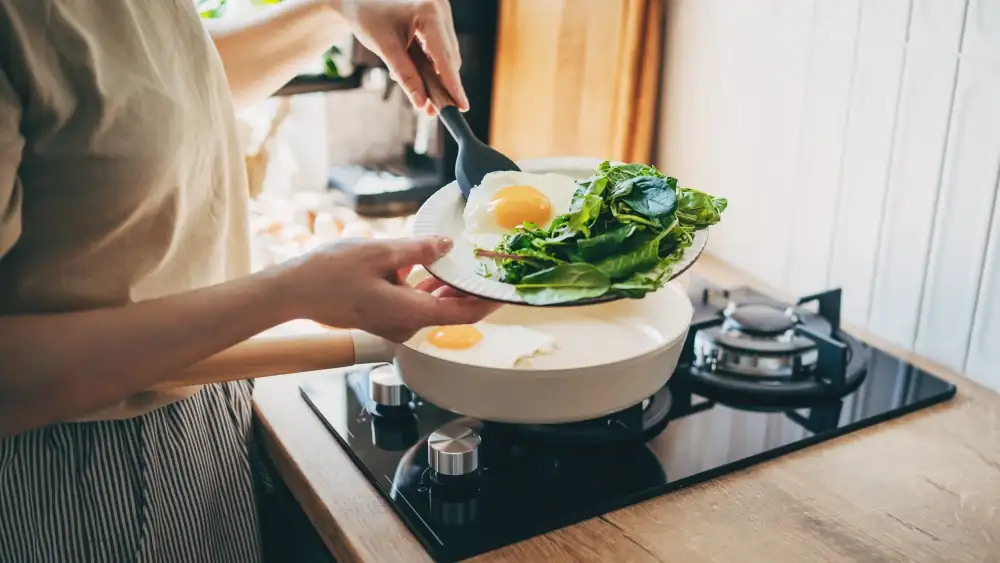
- Egg
- Chicken or turkey
- Fish, tuna or sardines
- Lean meat
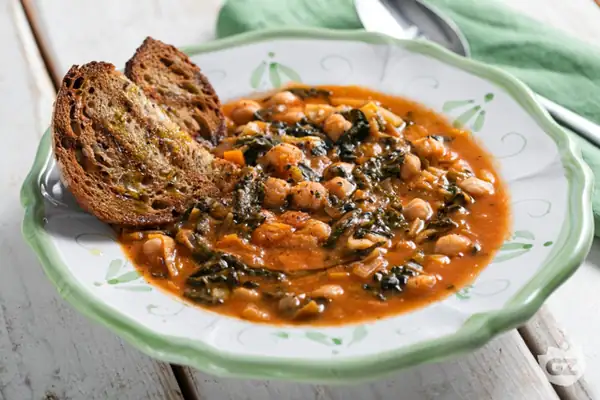
- Beans, lentils and chickpeas
- Tofu
- Nuts and seeds as a supplement
The amount needed varies depending on weight, age, physical activity, and health status. If you have kidney disease, do not increase your protein intake without consulting your doctor or a registered dietitian.
To vary your menu, you can check out these 30 recipes to include more protein in your meals.
2. Combine protein with fiber
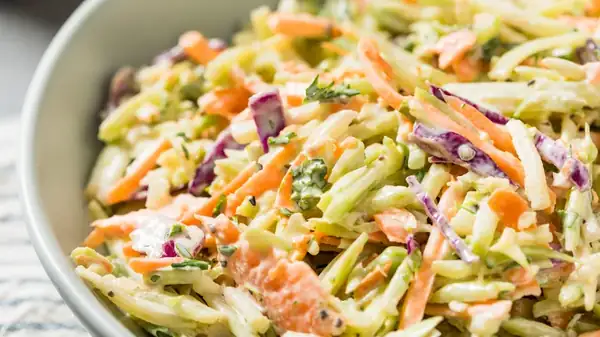
A meal of pure protein may not be enough. Accompanying it with vegetables, whole fruits, whole grains, or legumes adds fiber and bulk.
Some simple combinations are:
If you want to eat less meat, here are some recipes with chickpeas, lentils, tofu, and seeds.
3. Don't wait until you're uncontrollably hungry
When your appetite returns, going too many hours without eating can leave you feeling extremely hungry at your next meal. At that point, it becomes more difficult to recognize when you're full or to make a conscious choice.
Not everyone needs to eat five times a day, but it can help to establish a more or less consistent schedule and observe how much time you can spend between meals without feeling weak, anxious, or excessively hungry.
The goal isn't to continue eating the tiny portions you tolerated during treatment. Your body may need adjustments. Eat slowly, serve your food on a plate, and give yourself time to recognize when you're satisfied.
4. Don't automatically eliminate carbohydrates
Tortillas, oatmeal, fruit, beans, rice, or potatoes aren't solely responsible for weight gain. The problem usually lies in the overall diet, the portion sizes, sugary drinks, and how often ultra-processed foods are consumed.
For a more complete meal, combine carbohydrates with protein and vegetables. For example, instead of just eating a sweet roll, you can prepare whole-wheat bread with cottage cheese and fruit. Instead of serving a huge plate of pasta on its own, accompany a moderate portion with chicken, tuna, or lentils and vegetables.
5. Have a snack prepared even if you don't really need it.
A snack can be useful if many hours pass between your meals or if afternoon hunger ends up leading you directly to cookies or fried foods.
Try options like:
- Apple with sugar-free peanut butter.
- Natural yogurt with nuts
- Cucumber and jicama with panela cheese.
- Fruit with a small handful of peanuts.
- Baked toast with beans
- Cottage cheese with pineapple or red berries.
Snacks are not mandatory. If you're not hungry and your meals are sufficient, there's no need to add one just because it's on the menu.
6. Be mindful of what you drink
Soft drinks, juices, coffees with syrups, and alcoholic beverages can provide a lot of energy without producing the same satiety as a meal.
Make plain water your main beverage. You can also drink mineral water, herbal teas, or coffee without large amounts of sugar, provided you tolerate them and there is no other medical reason to do so.
How to prepare a dish that will truly satisfy you
You don't need to weigh all the food. As a visual guide, you can start with:
- Half a plate of vegetables.
- A quarter of protein
- A quarter of a tortilla, rice, potato, pasta, or some other cereal.
- A small portion of avocado, seeds or oil.
Beans, lentils, and chickpeas are special because they provide both plant-based protein and carbohydrates and fiber. You can use them as part of the protein or as a side dish, depending on the rest of the meal.
This formula is not a universal prescription. It is simply a base that you can adjust according to your hunger, physical activity, and the recommendations of your specialist.
Breakfast
Two scrambled eggs with nopales (cactus pads), refried beans, and one or two corn tortillas. You can serve them with a piece of fruit.
Food
Chicken, fish, or tofu with sauteed vegetables, rice, and beans. Add homemade salsa or avocado for flavor without making the meal a chore.
If you need ideas, these healthy chicken stew recipes can help you add variety.
Optional snack
Natural yogurt with nuts or an apple with peanuts.
Cena
Two baked tostadas with tuna or beans, lettuce, tomato, cucumber and avocado.
This menu is just an example. It does not replace a personalized plan and does not take into account allergies, kidney disease, diabetes, embarrassment, or other medical needs.
You can also check out these chicken breast recipes.
Is eating more protein enough to protect muscle?
No. Protein provides the materials the body needs, but muscle also needs a stimulus to maintain and strengthen itself.
Strength training can include weights, resistance bands, bodyweight exercises, or a routine designed by a professional. The recommendation should be tailored to your fitness level, age, injuries, and overall health.
The nutritional guide for GLP-1 treatments emphasizes that increasing protein without a strength program is not enough to fully protect muscle mass.
Avoid falling into these quick fixes:
- Skipping meals to "compensate" for hunger.
- Eliminate all carbohydrates
- Live on liquids or protein bars.
- Following very low-calorie diets without supervision.
- Taking supplements that promise to replace medication.
- Automatically return to the same portions as before.
- Stop or restart the medication on your own.
When should you talk to your doctor or nutritionist?
Seek professional guidance if hunger becomes very difficult to manage, you have frequent binge-eating episodes, notice weakness or loss of strength, regain weight quickly, or don't know how to adjust your portions.
Follow-up is especially important if you have diabetes, kidney disease, a history of eating disorders, are pregnant, or take other medications.
The Federal Commission for Protection against Sanitary Risks (Cofepris) has warned that semaglutide should not be used or modified without medical supervision.
The goal is not to eat as little as possible.
Stopping Ozempic or Mounjaro shouldn't become a daily battle against hunger. Your goal isn't to survive on the smallest possible portions, but to build complete meals that can still be satisfying when the medication is no longer needed.
Protein, fiber, reasonable schedules and strength training form a good foundation, but medical monitoring, rest, movement and a less punishing relationship with food also count.
And if you're hungrier one day, that doesn't erase your progress. The important thing is to have a structure you can return to at the next meal.
You might be interested in