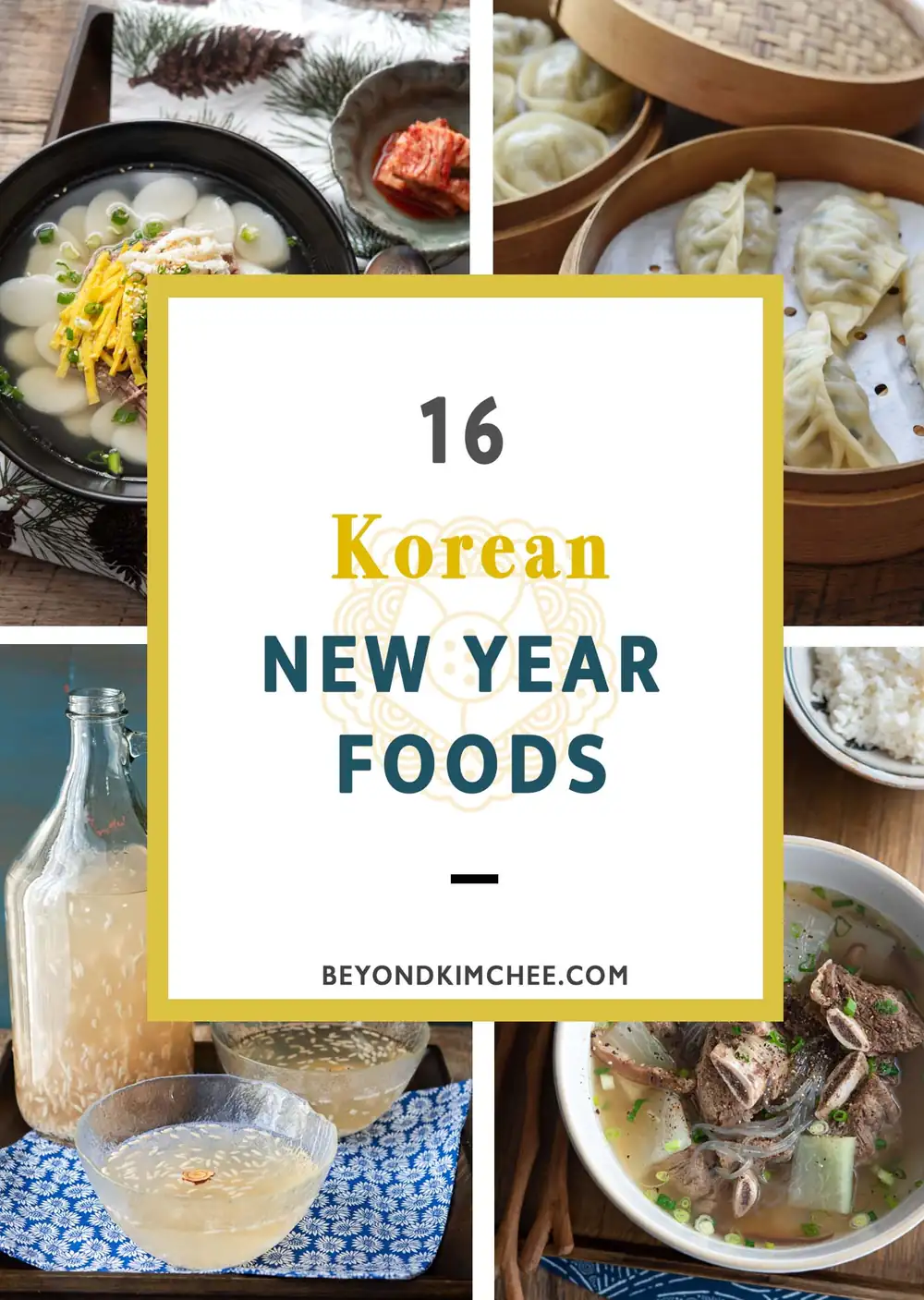
16+ Korean Lunar New Year Foods (Seollal)
Celebrate Korean Lunar New Year (Seollal) with these traditional Korean food recipes. From main dishes to desserts, you will find a range of easy to more advanced recipes that are perfect for sharing moments of new beginnings with your family and friends.
Seollal is the most important holiday in Korea. It’s New Year’s day! You could say that Koreans celebrate New Year’s day twice. The first is on January 1, and the exact date of the other changes each year depending on the lunar calendar. So when is 2022’s Lunar New Year’s day? It’s on February 1st, and it ushers in the year of tiger!
Just like other Asian countries that celebrate the Lunar New Year, Koreans also follow ancient traditions heralding the new year with lots of festive food and drinks.
We also gather with family and relatives. Seollal is the day we wish each family member prosperity and good health throughout the year.
Here are 16+ traditional Korean New Year foods that are among the most commonly enjoyed by many Korean people. They range from easy to more advanced level, but my step-by-step instructions make them accessible to all.
I hope you will find something that you and your family can use to join the celebration of Lunar New Year – the Korean way!
16 Korean New Year Foods
1
Korean Mandu (Homemade Dumplings)
Korean mandu filled with juicy pork, cabbage, and noodles. Simple to make, these dumplings are freezer-friendly, and great for soup or pan-frying.
Tteokguk is a comforting Korean rice cake soup with chewy sliced rice cakes, clear beef broth, and egg ribbons. Traditionally enjoyed on New Year’s Day, this light yet satisfying soup comes together in about an hour.
Make japchae in 35 minutes with chewy Korean sweet potato noodles, tender beef, colorful vegetables, and savory-sweet sauce. Soaking the noodles before finishing them in the sauce keeps them springy and flavorful.
Make Galbi Jjim at home with Korean short ribs braised in a savory-sweet sauce until fall-off-the-bone tender. A comforting dish for holidays or family dinners.
Classic Korean beef bulgogi made with thinly sliced beef in a pear-soy marinade, then cooked over high heat until tender, glossy, and lightly caramelized.
Galbitang (Korean short rib soup) is a comforting Korean beef soup with tender short ribs, Korean radish, and glass noodles (dangmyeon) in a clear, savory broth. Make it the traditional way on the stovetop or a quicker version in the Instant Pot.
Traditional Korean yakshik made with chewy sweet rice, jujube, chestnuts, and a rich soy sauce seasoning. This Instant Pot method skips the long soaking and double steaming for an easier homemade rice dessert. Perfect for holidays or make-ahead treats.
Wanja-jeon (Korean meat and tofu patties) are pan-fried until golden, tender inside and crisp outside. A holiday favorite at Chuseok, they’re also perfect to make ahead for quick meals or lunchboxes.
Thin beef slices are lightly seasoned, coated in flour and egg, then pan-fried until tender and golden. Serve this classic Korean yukjeon with a tangy mustard-soy dipping sauce.
A clear and comforting Korean beef radish soup (sogogi muguk) made with thin-sliced beef, sweet Korean radish, and a light umami broth. Ready in about 30 minutes, it’s a simple, nourishing soup that’s perfect with warm rice.
A traditional Korean honey cookie made with ginger-honey syrup, slow-fried dough, and a long soaking method that gives yakgwa its chewy, glossy texture. A classic holiday treat that tastes even better homemade.
And there you have it – 16+ Korean Lunar New Year Foods that you can enjoy with your loved ones! I hope this list brought you some inspiration for your Korean holiday celebration.