Used cooking oil: how to recycle it and avoid water pollution
Used cooking oil should not be poured down the drain, as it can contaminate large quantities of water and damage pipes. Here's how to recycle it properly.
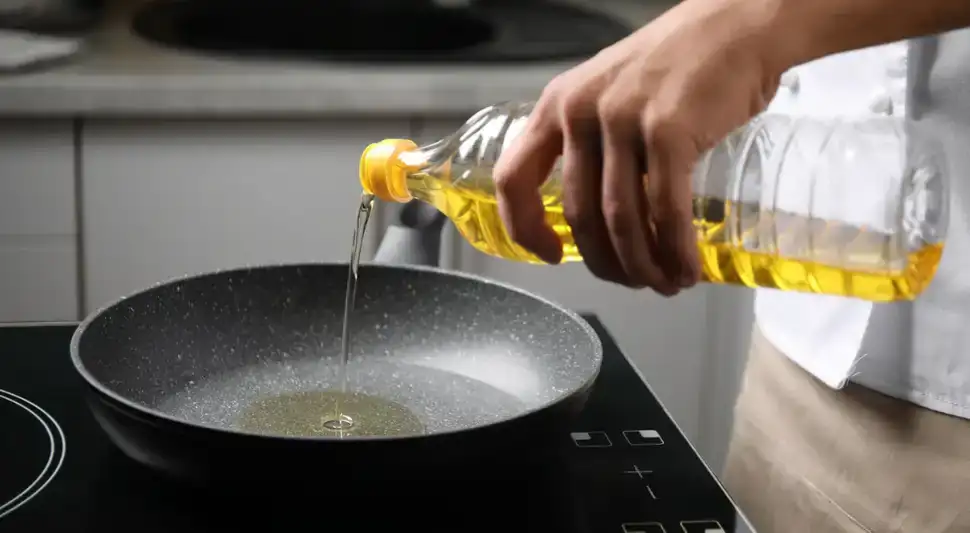
Used cooking oil left over from frying often ends up in the trash or, worse, down the drain. However, this waste can be reused if stored properly and taken to a collection system. In Lima, several initiatives demonstrate that recycling used vegetable oil is both a viable and necessary practice.
What to do with used cooking oil
The first step is to prevent oil from reaching the sink, toilet, or street. When mixed with other waste, it can form accumulations that clog pipes. Furthermore, when it reaches water sources, it harms ecosystems.
A report published by Bioils Peru indicates that one liter of used oil can contaminate up to 1,000 liters of water. In Lima, the Municipality of La Molina also uses this figure in its used vegetable oil recycling program. Therefore, saving this waste instead of discarding it directly helps reduce an impact that often goes unnoticed.
How to properly recycle used cooking oil
After cooking, let the oil cool. Then, strain it to remove any food residue and transfer it to a clean, dry plastic bottle. Seal the bottle tightly.
The next step is to find a collection point or an organization that collects used cooking oil. In Lima, ADRA Peru reported that community kitchen leaders trained by the organization are storing this waste to deliver it to a partner company. The initiative has already recovered more than 400 liters of used oil.
Why is it important to do so?
Recycling used oil helps protect soil and marine life, prevents clogged pipes, reduces water pollution, and prevents conditions that encourage pest infestations. Furthermore, a single liter can contaminate up to 1,000 liters of water, so proper disposal helps minimize this impact.
In Lima, according to ADRA Peru, the more than 400 liters of oil recovered represent the potential to prevent the contamination of up to 400,000 liters of water. Separating it after cooking and taking it to a collection point is a simple habit that prevents it from ending up in the trash or directly down the drain.