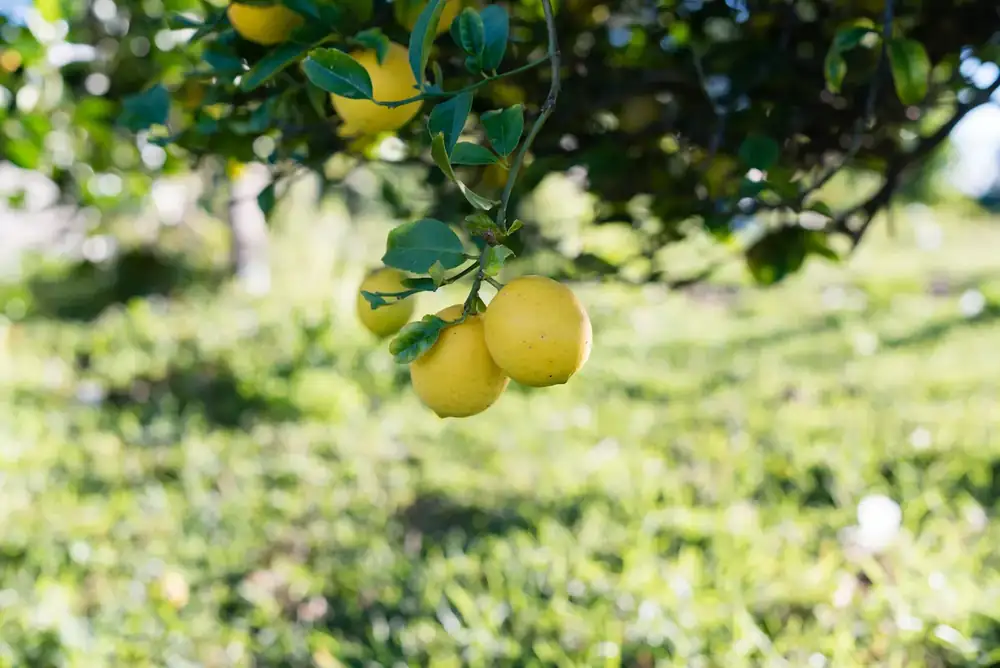
How to grow a lemon tree: Planting, pruning and propagating from cuttings
Lemon trees make an excellent addition to almost every backyard, and if you get the growing process right, you’re sure to get a regular, plentiful crop. The good news? It’s easier than you think to grow your own lemons – great news for all the foodies out there!
KEY TAKEAWAYS
- Choose your variety based on space: Eureka and Lisbon grow 3–4m, while dwarf Meyer suits pots at just 2m tall.
- Plant in full sun, sheltered from wind and frost, in well-drained, slightly acidic soil.
- Water every 7–10 days in summer, and feed twice a year (February and August) with citrus fertiliser.
- Harvest when lemons turn fully yellow (or have a slight green tinge) and have a slightly glossy skin, using a gentle twist-tilt-snap motion.
Lemon tree varieties
The most common varieties grown in Australia are Eureka, Lisbon and Meyer. Eureka produces its main crop in winter with smaller crops in spring and summer. Eureka lemons have relatively few seeds, and the tree is virtually thornless, growing to about four metres tall.
Lisbon is thornier, produces its main crop in winter, and tends to be more cold tolerant. It grows around three to four metres tall.
Meyers has a milder, less acidic flavour with a smooth, thin rind. Its main crop is produced in winter, but it can crop year-round. It’s a small tree that grows to around two metres tall, making it an ideal lemon tree to grow in a pot.
Climate
The preferred climate depends on the variety of lemon; however, most do well in warm climates. They tolerate drought but are sensitive to frost.
Aspect
Lemon trees need full sunlight and protection from wind and frost. If you’re growing a lemon tree in a cooler climate, plant it close to a brick wall so it can utilise the radiating heat.
Soil
Lemon trees can tolerate a range of different soils, but they mostly prefer slightly acidic, well-drained soil.
Planting
You can plant lemon trees at any time of year in warmer climates, as long as you water regularly. In cold regions, plant in spring to protect it from late frosts.
Citrus will thrive in large pots – choose one that is 50cm in diameter or more, with plenty of drainage holes, and fill with a premium quality potting mix. It’s a great idea to stand your pot on a trolley so you can easily move it to a sunnier or more protected position as the seasons change.
If you’re planting a lemon tree in the garden, start by digging a hole twice as wide and as deep as the pot your citrus comes in. Remove it from the pot and inspect the roots, untangling any that appear to be circling around or those that are tightly packed into the shape of the pot. Plant so that the original soil level in the pot is level with your garden soil. Backfill the hole with the removed crumbled soil, and work compost or well-rotted cow manure into the top 10cm of soil. Add a mulch of straw to the soil surface, but keep this away from the trunk. Water immediately after planting and from then on keep the soil slightly moist.
Water
Lemons grow best in moist, not soggy, soil. Water your tree every seven to 10 days during the summer, providing it with 4 to 6 inches of water each month. Allow the soil around mature trees to partially dry between waterings. Overwatered lemon trees may suffer from crown and root rots, while those not watered enough frequently shed blossoms and don’t produce as much fruit.
Feeding
Citrus produce loads of fruit! All that flowering and fruiting is a big consumer of energy so make sure you feed up your lemon tree to ensure further crops. You can tell if your tree is undernourished by poor, stunted growth or yellowing leaves. Feed twice a year with citrus food, once in February and again in August. Follow the directions on the packet and water the soil well both before and after applying the fertiliser.
How to prune lemon trees
Pruning lemon trees helps you grow healthier, more plentiful fruit.
Prune your lemon tree from late winter to early spring, right after harvest. Prune young trees to establish a good shape, and remove any sprouts or weak limbs so the plant can focus on growing a strong canopy.
When to harvest your lemons
Lemon trees generally take around two to three years to bear fruit, and harvesting depends on the variety of plant. Eureka produce fruit two to three times a year, while Lisbon produces fruit once a year.
Lemons are ready to harvest when they have developed full colour and flavour. Harvest lemons when their peels are yellow or only have a green tinge, with a slightly glossy appearance. The longer the fruit stays on the tree, the sweeter it becomes, so some suggest picking and tasting your fruit to see how the crop is developing.
To pick lemons, use the twist, tilt and snap method. Take the entire fruit in your hand, twist it gently, tilt it, and pull away until it breaks free.
How to propagate a lemon tree
To propagate a lemon tree, take a cutting in late spring or early summer. Choose a 15 centimetre piece of a healthy young branch without fruit or flowers and with at least two to three nodes at the base. Use a non-serrated, sanitised knife to cut the stem at a 90-degree angle. Wrap cuttings in a moist paper towel to prevent dehydration.
Remove bottom leaves so the cutting has only three or so leaves at the top and dust the bottom with a hormone-based rooting powder. Plant the cutting in a large, well-draining pot with seed starter mix and cover it with a large clear plastic bag to create a warm, humid environment (ideally between 21–29°C). Use chopsticks, wire or a dowel to keep the bag from resting on the cutting. Keep the soil moist.
Once roots develop, remove the plastic covering. After a few days, move the cutting outside in a sheltered location. Once the roots nearly fill the pot, plant it in a larger pot or in the garden.
How to propagate a lemon tree in water
If you’d rather skip the soil altogether, you can root a lemon cutting in water instead. Take the same 15cm cutting from a healthy branch, removing the lower leaves and dipping the cut end in rooting hormone as above.
Place the cutting in a clear glass or jar of fresh water, keeping only the bare stem submerged and the remaining leaves above the waterline. Position it somewhere warm and bright, ideally between 21–29°C, and change the water every few days.
Once roots develop, usually within a few weeks, transfer the cutting to a pot with well-draining soil.
Pests and disease
Scale insect: Found on stems and leaves; they have a waxy brown shell. Spray these sap-sucking insects with organic eco oil.
Leaf Miner: Tiny burrowing mites causing silvery trails and twisted leaves. They attack only fresh new leaves, so spray the new growth once a fortnight with eco oil until the leaves have matured and turned a dark green colour.
Stink bugs: May appear in large numbers from October. Knock them off the branches and squish them underfoot, but wear protective goggles as these bugs can squirt a painful liquid into your eyes.
Sooty mould: A black, crusty coating on the leaves that indicates a sap-sucking insect lurking higher up, such as aphids, scale, or mealybugs. Treat the insect above, and the sooty mould will clear up on its own. The mould is not harmful; it just looks yucky.