Why you should never put olive oil in pasta water, according to a chemist and Italian chefs
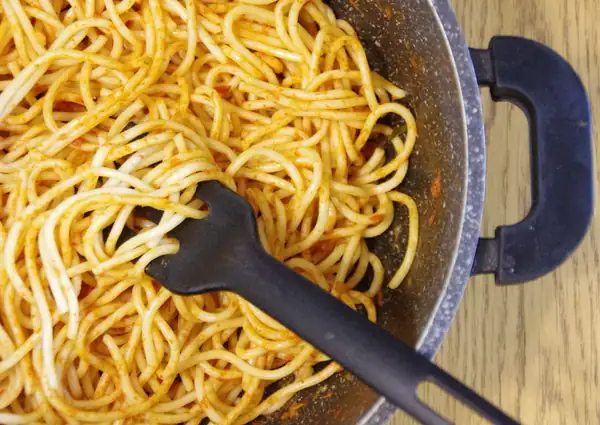
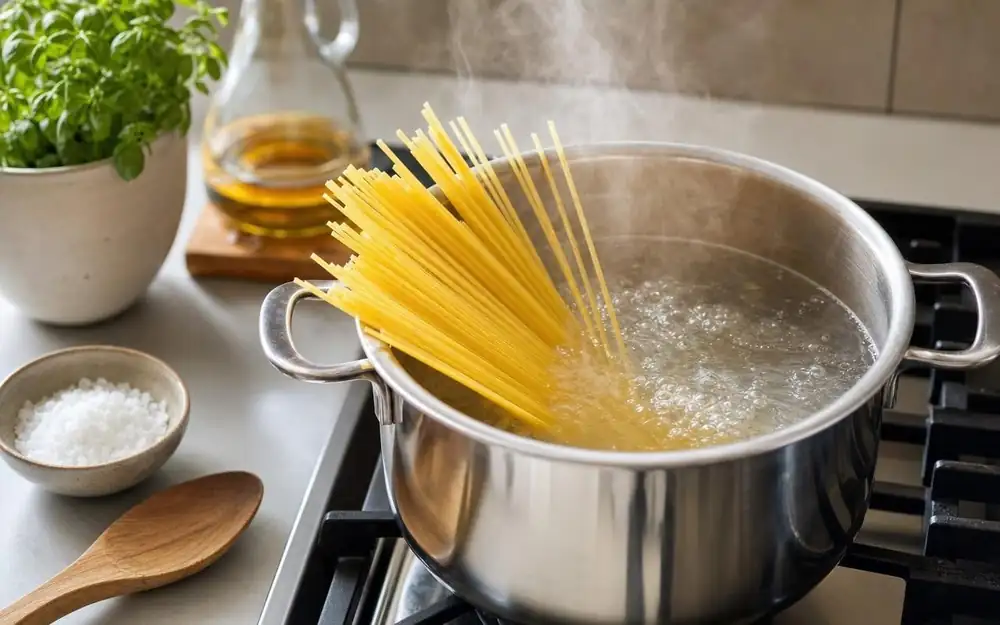
Pouring olive oil into boiling water before adding pasta is a common practice, especially when cooking spaghetti or linguine. The idea is to create a sort of separation between the pasta strands so they don't stick together while cooking.
"Since olive oil does not mix with water and rises to the surface, it serves absolutely no purpose," explains chemical analyst Raphaël Haumont, quoted by Marmiton.
The damage doesn't stop there. Some of the oil can end up on the pasta when it's drained. This oily film can then make it harder for the sauce to adhere.
The right thing to do is to stir the pasta.
If pasta tends to stick together, the main thing to do is to add enough water and stir it quickly after adding it. Pasta releases starch during cooking, and when this starch concentrates in too little water, it can cause the pasta to clump.
Stirring helps separate the pasta as its surface begins to stick. It's then recommended to stir it several times during cooking, especially at the beginning. Choosing good-quality pasta and respecting the cooking time also contribute to achieving the best possible texture.
Avoid excesses
Olive oil isn't entirely without merit in the pot, however. According to La Cucina Italiana, it has one main benefit: preventing the cooking water from boiling over. The starch released by the pasta forms a film on the surface of the water and can encourage foam to build up. This foam hinders the release of steam and increases the risk of the water rising to a boil.
By remaining on the surface, the oil can separate some starch particles and limit the formation of this foamy layer. A wooden spoon placed across the pan also allows steam to escape.
To prevent the pasta from sticking, it's best to cook it in plenty of water and stir it regularly. Olive oil will be a perfect addition to the sauce or used as a finishing touch, where it can truly enhance the flavor and texture of the dish.