The Agricultural and Ecological Imperative of the Darling Wildflower Show
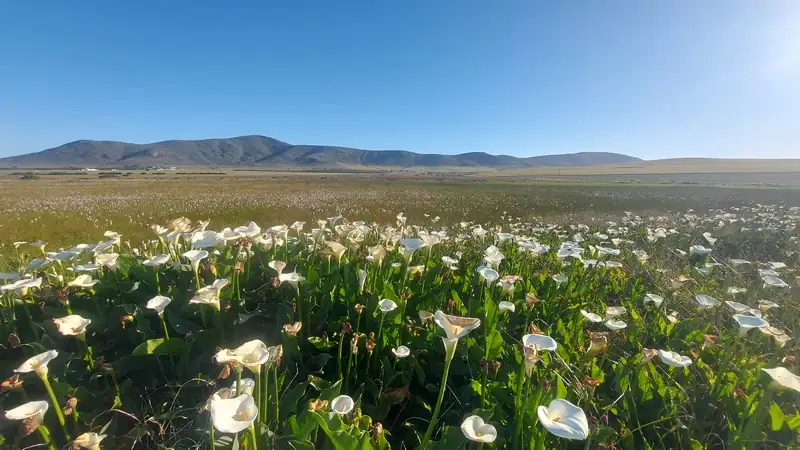
The Darling Wildflower Show returns from 18 to 20 September 2026, marking an essential event for the agricultural and conservation sectors as the small town of Darling bursts into vibrant spring colour.
“Every ticket sold supports conservation, education, and community initiatives that protect the fragile ecology of the Swartland Renosterveld.”
A Critically Endangered Agricultural Neighbor
The fertile Swartland region is renowned for its commercial production of wheat, canola, livestock, and wine grapes. However, these agricultural landscapes share immediate borders with Swartland Granite Renosterveld and ancient lowland fynbos—ecosystems considered among the most threatened habitats on Earth.
Home to more than 1,200 plant species, many of which exist nowhere else on the planet, the survival of this indigenous flora relies heavily on responsible land management. For over a century, the show has bridged the agricultural sector with conservationists, proving that high-yield farming and ecological preservation can coexist sustainably.
Modern farming in the West Coast district demands a holistic approach to environmental management. Soil health, natural pollination networks, and water catchment systems are directly dependent on the vitality of surrounding natural veld.
Proceeds generated by the show directly support local ecological preservation. Partnerships involving the Darling Wildflower Society, Vula Environmental Services, supportive trusts, and the Swartland Municipality ensure funds fund habitat restoration and conservation education. A centerpiece of these ongoing efforts is the newly established Biodiversity Park, serving as a living showcase of the region’s floristic legacy and community stewardship.
“This is more than a flower show—it’s a living legacy,” noted a spokesperson for the Darling Wildflower Society. “Every ticket sold supports conservation, education, and community initiatives that protect the fragile ecology of the Swartland Renosterveld.”
Agri-Tourism and Rural Economic Vitality
Beyond ecological benefits, the three-day festival delivers a substantial economic boost to the local rural economy. Agri-tourism remains a primary diversification strategy for West Coast landowners, with festival visitors supporting regional wine producers, artisanal breweries, guesthouses, and local supply chains.
The event features rare botanical landscaping displays, tractor rides through private wildflower reserves, farm-style catering, live music, and family activities. The Village bus service will also connect festival-goers to surrounding agricultural and cultural landmarks, including historic farms and iconic attractions like Evita se Perron and Darling Brew.
- Tickets: Available online via Quicket and at the gate, with group discounts available.