How to freeze cooked pasta, even seasoned pasta, without ruining it
We've made too much pasta, and once lunch is over, we find ourselves with several portions still in the pot. Throwing it away would be a waste, but leaving it in the refrigerator for days is certainly not the best solution. At this point, we can think about the freezer.
But can we freeze pasta with sauce? In many cases, yes, as long as we pay attention to the cooling process, the type of sauce, and, above all, how we store it.
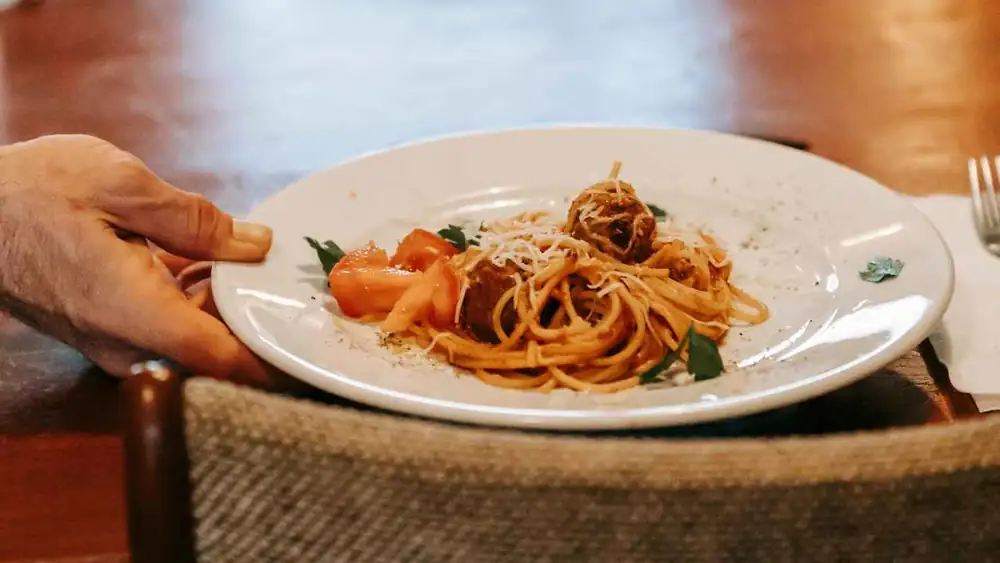
Cooked pasta can be frozen either almost plain or with its sauce. However, the results after thawing will not be identical with every recipe.
How to properly freeze cooked pasta
The first rule is not to leave leftover pasta at room temperature for hours. After the meal, it should be cooled quickly and stored quickly, using shallow containers and not too large portions to facilitate cooling.
Once cooled, divide it into the quantities you plan to eat. Use freezer-safe containers or special bags, removing as much air as possible and labeling with the date.
If we've prepared pasta with little sauce, we can add a small amount of sauce before freezing it: this can help prevent it from becoming excessively dry when reheated.
Can the one with the sauce also go in the freezer?
Tomato-based pasta, ragù, and many other cooked sauces are generally suitable for freezing. However, greater caution is needed with very creamy sauces, fresh cheeses, or delicate sauces, which can separate or change consistency after freezing and thawing. This doesn't necessarily mean they're unsafe: often, it's primarily a question of quality.
When we want to eat the pasta, we can defrost it in the refrigerator or reheat it directly, if the container and preparation allow. Bring it to a simmer, stirring it as it heats to distribute the heat evenly. Avoid leaving it to defrost on the countertop for hours.
Another precaution concerns leftovers: don't freeze pasta that's been out of the refrigerator for a long time, thinking that the cold will make it safe again. Freezing slows microbial growth, but it doesn't erase what happened before.