Sardines in oil or in tomato sauce: one spoils three times faster than the other in the fridge
It's often assumed that sardines in oil are better preserved than those in sauce.
Research from the University of Porto shows that, to maintain good quality, sardines in oil or brine should not be kept refrigerated for more than one day, compared to three days for those in tomato sauce. Simple guidelines, but they raise a troubling question: what is the value of the date printed on the can and our trust in the oil once the tab is pulled?
How many days can you keep an opened can of sardines in the fridge?
Once opened, canned goods are no longer protected by the initial sterilization process. At 4°C, researchers have observed that sardines in vegetable oil or brine rapidly lose their aroma, flavor, and texture, to the point that optimal quality is no longer maintained after approximately 24 hours. Therefore, these preparations are best consumed within the following day.
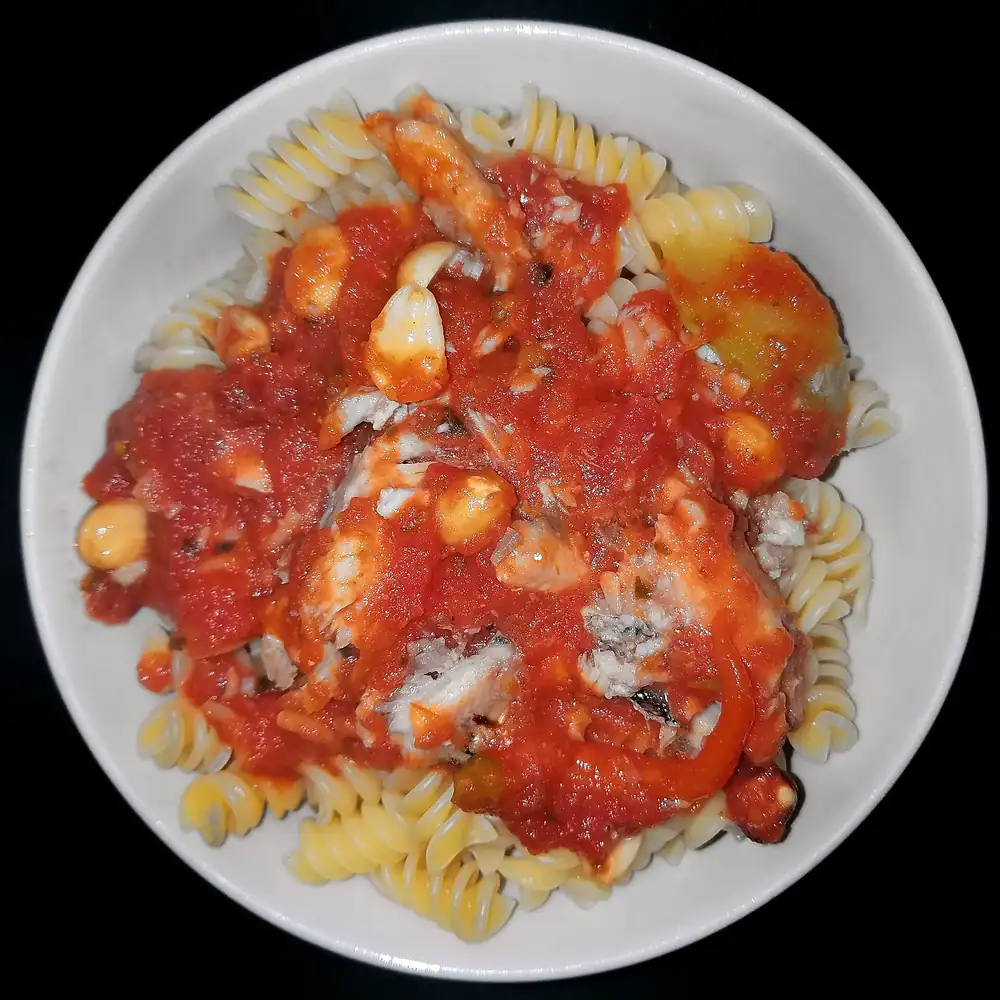
The sardines in tomato sauce fared better: their sensory quality remained acceptable for up to about three days. In the study, however, the cans tested were not deemed "inedible" before the seventh day. But at home, between repeated openings of the refrigerator, temperature fluctuations, and handling, these timeframes remain prudent limits to avoid eating significantly spoiled fish.
Oil or tomato: what the University of Porto study shows
In 2022, researchers from the University of Porto, a Portuguese public research institution, published a study in the scientific journal Foods in which they monitored canned sardines packed in vegetable oil, brine, or tomato sauce for seven days at 4°C. Each day, they evaluated microbiological, chemical, and sensory criteria to measure the product's evolution.
Tomato sauce was better at limiting the oxidation of the fish's fats, a phenomenon that degrades its taste, smell, and texture. Oil, while very protective as long as the can remains sealed, was no longer sufficient to prevent these changes once air entered. A deceptive detail: the aroma of tomatoes can mask some early signs of spoilage, making visual and tactile vigilance even more important with this type of canned fish.
How to properly store opened sardines: key steps and warning signs
The worst thing you can do is put the opened can straight back in the fridge. Researchers recommend transferring the sardines, along with their oil, brine, or sauce, into a clean, airtight container, ideally glass. This container should be placed quickly in the coldest part of the refrigerator, between 0 and 4°C, avoiding taking it out and putting it back in repeatedly. Writing the opening date on the lid also helps ensure you don't exceed the recommended one to three days.
Appearance and smell remain valuable indicators, though not infallible. Certain signs should prompt immediate disposal:
- unusually strong, pungent or unpleasant odor;
- marked change in the colour of the fish or sauce;
- presence of foam on the surface;
- Visible traces of mold.
With tomato sauce, the spicy flavors can mask any initial defects: it's best to closely examine the color and firmness of the flesh. As for the date printed on the can, it no longer applies once the can is opened. If you have any doubt, especially with an opened sardine that's been sitting around, the safest solution is to throw it away.