The most representative dishes of La Mancha's gastronomy
The cuisine of La Mancha is closely linked to the land, the countryside, and a way of life dictated by the seasons.
Furthermore, some of these dishes appear in Don Quixote. Miguel de Cervantes's work allows us to discover what shepherds, muleteers, peasants, and gentry ate during the Golden Age. Therefore, traveling the La Mancha Wine Route is also a journey through a cuisine with centuries of history.
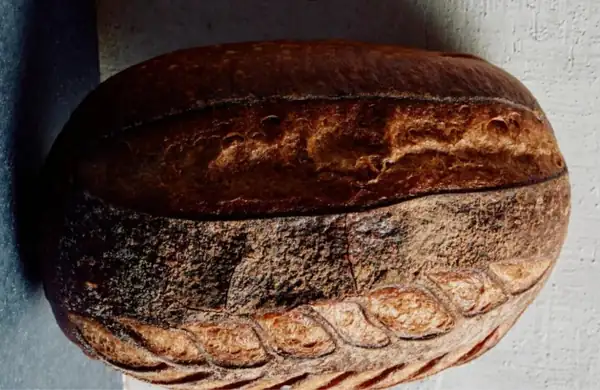
The aroma of rustic bread, the first grape musts, and slow-cooked stews accompany this journey through the world's largest vineyard. These are some of the most distinctive recipes of La Mancha's cuisine.
INDEX / CONTENTS
Duelos y quebrantos is one of the most famous dishes from La Mancha. Cervantes mentions it at the beginning of Don Quixote, when he describes the ingenious knight's usual diet.
Currently, the recipe is prepared with scrambled eggs, chorizo, bacon, or pork crackling. However, its composition was different in the past. According to some historical interpretations, it could include brains, offal, and other parts of the animal.
One theory about its name is related to the lives of shepherds. When a cow died in the field, they would take its meat to the owner's house. The loss of the animal caused "mourning," while its culinary use served to alleviate the "grief."
Furthermore, this dish was traditionally eaten on Saturdays. At that time, eating meat wasn't always permitted on that day. However, there was a kind of partial abstinence that allowed the consumption of certain parts of the animal.
Today, duelos y quebrantos (scrambled eggs with bacon and chorizo) are a staple on the menus of many restaurants along the La Mancha Wine Route. Modern versions are simpler, though they retain the hearty character of the original recipe.
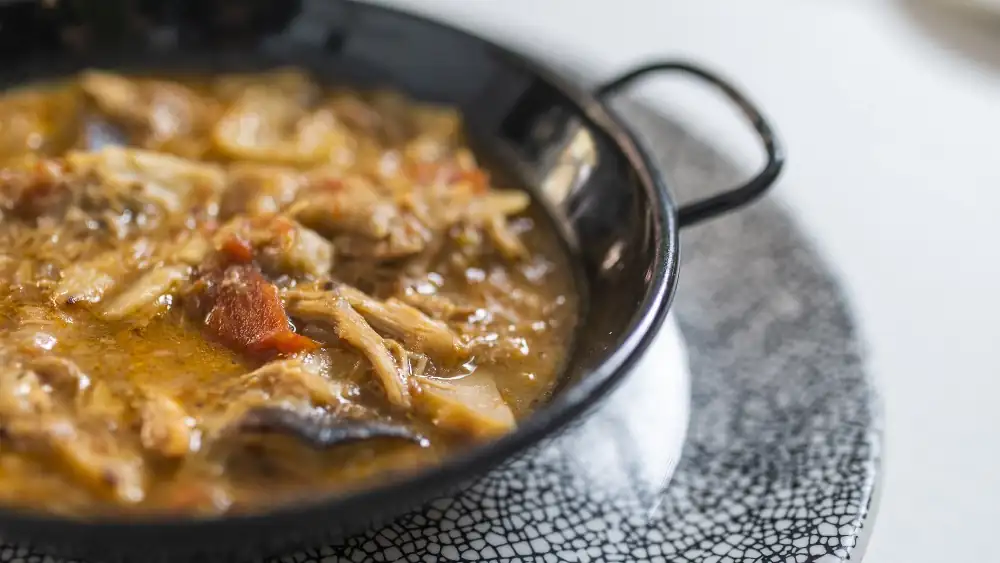
Manchego gazpacho has nothing to do with the well-known cold soup from Andalusia. It is a hot, thick, and very flavorful stew. It is made with small game and pieces of unleavened flatbread.
It is also known as galianos. This name could be linked to the old livestock trails or “galianas” along which cattle were moved.
Originally, it was a common meal among shepherds and travelers. Prepared outdoors with whatever ingredients were available, it provided the energy needed to face long days of work. It was also especially comforting during the cold winters of La Mancha.
Sancho Panza makes his fondness for this dish clear in the second part of Don Quixote. The squire states that he prefers to gorge himself on gazpacho rather than go hungry as governor.
Today, Manchego gazpacho is usually prepared with rabbit, hare, partridge, or chicken. The unleavened flatbread absorbs the broth and concentrates all the flavors. The result is one of the region's most representative stews.
Hunting has played a significant role in the gastronomy of La Mancha. Among its most prized dishes is pickled partridge.
Before modern refrigeration systems existed, pickling allowed food to be preserved for longer periods. This involved using vinegar, wine, oil, garlic, bay leaves, and various spices. This technique also imparted an intense and slightly acidic flavor to meats.
The partridge is cooked slowly until tender. Then, it is left to rest so that it absorbs all the flavors of the marinade. It can be served warm or cold, as a main course or in salads and appetizers.
Furthermore, the wines and vinegars produced in the region reinforce the La Mancha identity of this recipe. For this reason, pickled partridge is a must-try on any culinary journey along the La Mancha Wine Route.
The Wedding of Camacho is one of the most memorable gastronomic episodes in Don Quixote. Sancho Panza awakens, drawn by the aroma of fried pork belly and other delicacies prepared for the wedding of Camacho and Quiteria.
The abundance of the banquet contrasts sharply with the simplicity of everyday food at the time. Among the recipes associated with this event is the stew from Camacho's Wedding.
This dish is made with small, meatball-like pieces of free-range chicken. It's a hearty, comforting stew, closely associated with family celebrations in La Mancha.
Alcázar de San Juan commemorates this tradition with a gastronomic festival dedicated to the recipe. During the festival, local restaurants prepare menus inspired by Cervantes' cuisine. The stew is served with other products from La Mancha and, of course, with local wines.
Finally, no visit would be complete without trying the Alcázar sponge cake. This dessert is made with traditional cakes soaked in flavored milk. Roscos (ring-shaped pastries) and mistela shortbread complete the sweet offerings.
The distance separating La Mancha from the sea did not prevent fish from becoming a staple in its cuisine. Salt cod kept for long periods and was easy to transport. For this reason, it became the most widely used fish in inland kitchens.
One of the most characteristic recipes is tiznao. Its name comes from the blackened appearance that some of its ingredients acquired when roasted over hot coals.
The dish combines cod with red bell pepper, garlic, onion, potato, and paprika. Traditionally, the ingredients were roasted before being mixed, giving them a slightly smoky flavor.
Cod appears even in the opening pages of Don Quixote. Cervantes notes that, depending on the region, it was known as abadejo, bacalao, curadillo, or truchuela. Its presence in the work demonstrates the importance this product already held in the diet of the time.
Atascaburras, also known as ajoarriero manchego, is another of the region's most popular dishes. It's made with boiled potatoes, desalted cod, garlic, and olive oil. Finally, it's usually garnished with boiled egg and walnuts.
Tradition links its origin to shepherds. According to popular lore, it was born during a snowfall, when they had to improvise a meal with the few ingredients they had with them.
Its texture is thick and its flavor intense. That's why it's considered a particularly suitable recipe for colder days.
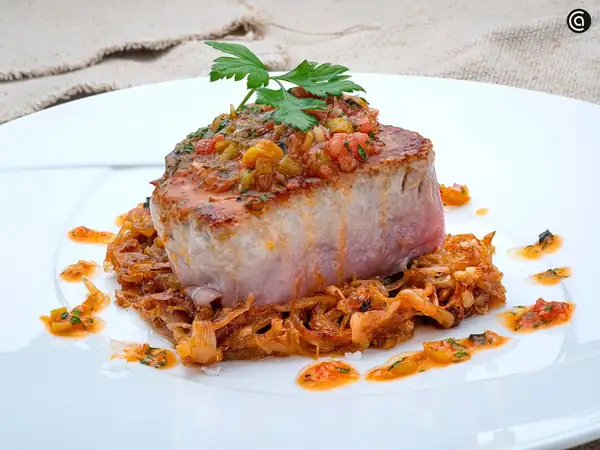
Along with atascaburras, cod is also a key ingredient in other Manchego dishes. These include potaje de vigilia (a Lenten stew) and bacalao a la manchega (Manchego-style cod), served with potatoes and a vegetable sofrito.
The most distinctive dishes of La Mancha's cuisine speak of resourcefulness, ingenuity, and patience. They are recipes created with simple ingredients, yet capable of encapsulating centuries of history.
Furthermore, these stews find their perfect companions in the wines of La Mancha. Reds, whites, rosés, and young wines complete an experience where cuisine and vineyard form part of the same landscape.
Traveling along the La Mancha Wine Route allows you to visit wineries, explore towns linked to Cervantes, and sit down to a meal to savor these local dishes. Ultimately, it's a way to discover the region through its flavors and to travel, even if only for a few hours, back to the Golden Age.