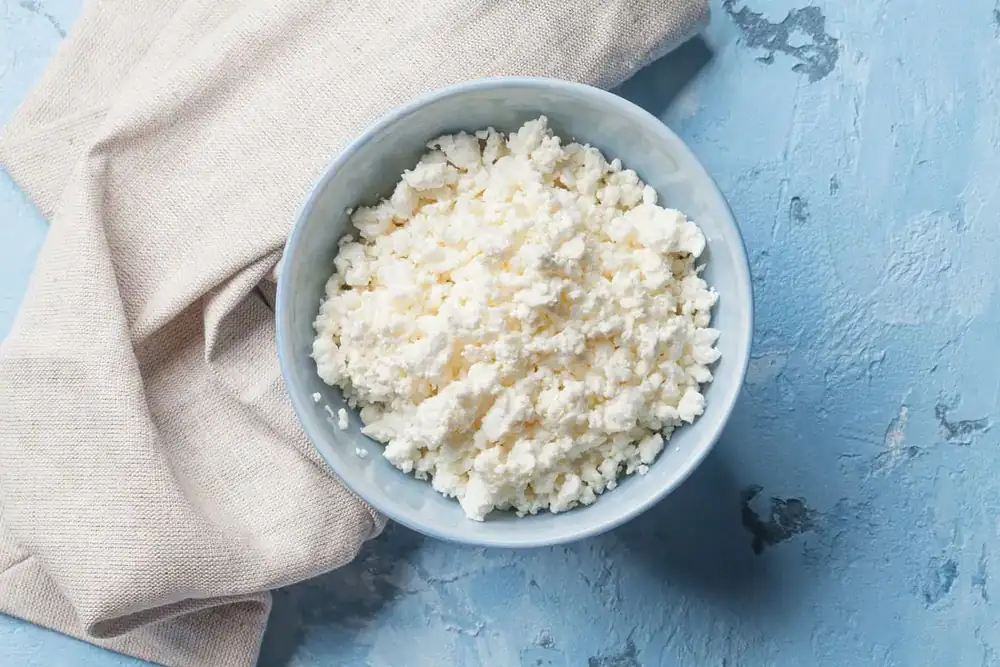
Myzithra: Greece’s timeless cheese with a rich history and countless regional varieties
From the mountains of Epirus to the islands of the Aegean, myzithra is one of Greece’s oldest and most beloved cheeses.
Whether crumbled over a traditional Cretan dakos, served with ripe tomatoes and extra virgin olive oil, or enjoyed with honey as a simple dessert, myzithra has remained a favourite on Greek tables for generations.
A cheese with many identities
Often described as “the cheese with a thousand faces,” myzithra takes on different forms and names depending on the region of Greece.
- Xinomyzithra – A creamy, slightly tangy whey cheese closely associated with Crete, made from whey enriched with sheep’s and goat’s milk.
- Sweet Myzithra – A fresh, mild cheese with a delicate, creamy texture, commonly enjoyed fresh in both savoury and sweet dishes.
- Elassona Myzithra – Produced in Thessaly from sheep’s or mixed sheep’s and goat’s whey, prized for its smooth texture and mild flavour.
- Gkiza – Found in Thessaly, Macedonia, and Thrace, this creamy cheese has a lightly acidic taste and is widely used in traditional pies.
- Ourda – Richer in fat than gkiza, made from the whey of sheep’s or goat’s milk cheeses, offering a buttery flavour with subtle sweet notes.
- Afromyzithra – A specialty of Naxos produced from the whey used to make Graviera and Arseniko cheeses.
- Laïna Myzithra – A traditional cheese from Serifos, matured and stored in clay vessels known as laïna, preserving centuries-old island cheesemaking techniques.
- Kalathouni – A basket-shaped whey cheese from Syros produced from the whey of San Michali and Graviera cheeses.
- Myzitra – The Karpathian version, traditionally made from sheep’s and goat’s milk.
- Mytzira – The local name for myzithra on the island of Leros, where it remains an important part of local gastronomy.
Simple ways to enjoy myzithra
Fresh myzithra is best eaten within a few days of opening due to its high moisture content.
For a classic Greek summer meal, pair xinomyzithra with ripe tomatoes, barley rusks and premium extra virgin olive oil.
Sweet myzithra transforms into an effortless dessert with nothing more than a drizzle of Greek honey and a sprinkle of cinnamon.
A nutritious Greek favourite
Myzithra is valued not only for its flavour but also for its nutritional profile. It is an excellent source of high-quality protein and typically contains less salt than many other cheeses, making it a popular choice for health-conscious consumers.
Approximate nutritional values per 100 grams include:
- Calories: 115–208 kcal
- Protein: 10–14 g
- Fat: 5.9–18.4 g
- Carbohydrates: 2.6–4.8 g
- Calcium: 99–245 mg
- Salt: 0.4–1.0 g
Strong domestic production
According to the latest official figures, Greece produced 12,100 tonnes of myzithra in 2023, an increase of 0.8% compared with 2022.
Thessaly remains the country’s leading production region, accounting for 36% of Greece’s myzithra output and around 41% of all soft cheese production nationwide.
With its remarkable regional diversity, nutritional benefits, and centuries-old traditions, myzithra continues to hold a special place in Greek gastronomy.