Italian September Menus Pair Ripe Figs With Salty And Spiced Counterpoints
As September figs reach peak ripeness in Italy, cooks are structuring menus that contrast the fruit's honeyed flesh with walnuts, cured pork, and reduced wine.
Culinary guides in Italy this week outline five preparations that deploy late-summer figs across the entire meal, from aperitivo to dessert. The recipes rely on the fruit's soft, honeyed texture when fully ripe, using it as a sweet anchor against savory and spiced elements.
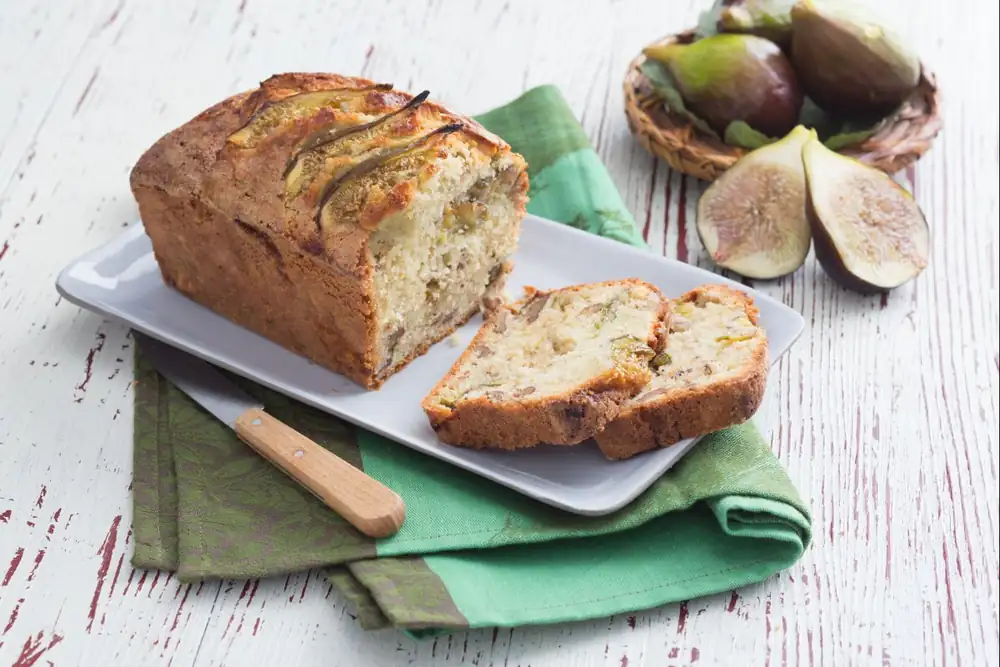
In baking, the fig's high moisture content requires structural support to prevent a dense crumb. The plumcake fichi e noci pairs the fruit with walnuts for crunch, while a pinch of cinnamon is suggested to aromatize the batter. A simpler torta di fichi relies entirely on the fresh fruit for sweetness, served alongside vanilla gelato to contrast temperatures and textures.
For a plated dessert, figs are simmered in a reduction of red wine, honey, cinnamon, and vanilla. The steady heat evaporates the alcohol and concentrates the sugars, creating a spiced sauce that coats the fruit without breaking it. This preparation is finished with whipped cream to add fat and lighten the dense syrup.
The transition to savory courses uses the fig's natural sugar to balance salinity. In a risotto, the fruit provides a creamy, sweet contrast to the dish's foundational savoriness. Recipes suggest the addition of prosciutto crudo or smoked pancetta to introduce cured fat, salt, and smoke to the final bowl.
As an aperitivo, figs are split and filled with spreadable cheese. The fat and salt of the cheese cut through the fruit's sugar, creating a balanced bite. The standard garnish of prosciutto crudo can be omitted for a vegetarian version, replacing the cured meat with crushed walnuts and a thread of honey to maintain the textural contrast.
this newspaper notes that the fig's high water and sugar content makes it structurally unstable when served alone. These five arrangements succeed by placing the fruit beside ingredients that provide the crunch, salt, and fat it lacks, demonstrating that the ingredient's culinary utility lies entirely in its physical contrasts.