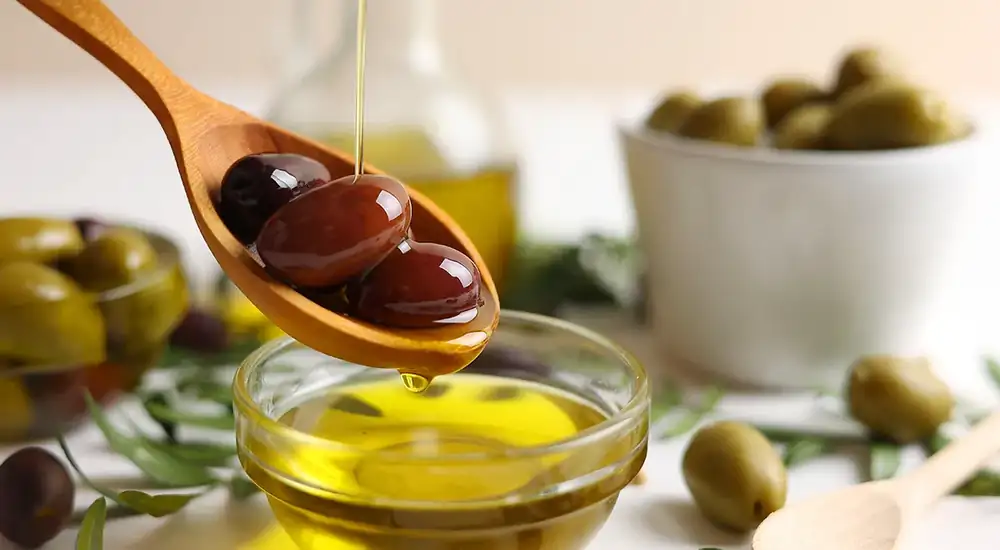
Homemade Fragrant Olive Oil: 2 Methods and a Step-by-Step Recipe
For the base, we use high-quality extra virgin olive oil. You can play around with the additives as you please. Olive oil has an amazing ability to absorb and retain volatile essential oils. Therefore, a variety of ingredients are suitable for infusion (as professionals call the process of infusing). Fresh herbs are es…
Various spices and dried herbs are good for flavoring olive oil: oregano, marjoram, paprika flakes, coriander seeds, fennel, cumin, clove buds, and star anise. They develop more slowly but provide a deep, complex flavor. Garlic, ginger, sun-dried tomatoes, chili peppers, orange and lemon zest, barberries, and (surprisingly) dried cranberries and cherries are also good options for flavoring oil.
Spices and herbs can be combined to create unique blends. For example, create a Provençal oil by adding rosemary sprigs, thyme, a pinch of dried lavender, and finely grated lemon zest. This flavored oil is ideal for fish, poultry, or vegetables. For a more savory flavor, add dried chili peppers, dried garlic, cumin seeds, and strips of lime zest. This oil can be used for marinating steaks or as a topping for Mexican-style salads.
Rules for preparing flavored oil
Flavoring oil is not a complicated process, but it does require attention. If soil particles or moisture get into the product, it will create favorable conditions for the growth of bacteria that can cause botulism. Strictly adhere to three rules: Total dryness
Fresh herbs or garlic should be thoroughly washed and dried with paper towels or in a dehydrator. The oil bottle should be sterile and completely dry inside. Darkness and coolness: Sunlight and heat trigger the oxidation process (the oil will quickly go rancid). Use only dark glass bottles and store the finished product in a cabinet with the door closed.
Shelf life: Dry spice oils can be stored in a dark cupboard for up to a month. If using fresh ingredients (garlic or herbs), consume within a week. However, you can extend their shelf life: after a few days, when the flavor has reached its peak, strain through thick cheesecloth or a coffee filter. After this, the oil can be stored for up to 3 weeks.
How to Flavor Oils: Basic Techniques
Flavored olive oil can be prepared using either the hot or cold method. The choice depends on the ingredients you choose and how quickly you need the results.
Cold infusion method: Ideal for working with all types of dried spices, seeds, herbs, and berries. Place all ingredients in a bottle, pour in room-temperature oil, and let it steep in a cool, dark place for 10 to 14 days. Shake the bottle occasionally.
This method of making flavored olive oil is great because the base product retains its original flavor, antioxidants, and delicate bitterness. The aroma is subtle and multilayered. However, you won't be able to prepare this oil for dinner the same day. Hot Method
An ideal, and most importantly, safe solution for fresh produce: roots, herbs, citrus zest, and garlic. In this case, gently warm the base oil along with the ingredients over low heat (or in a double boiler), then let it cool and infuse.
The spiced oil is ready almost immediately—the essential oils are infused into the base within minutes under the heat. Furthermore, gentle heating partially pasteurizes the fresh ingredients, reducing the risk of spoilage. However, it's worth keeping in mind that extra virgin olive oil loses some of its subtle flavor nuances and beneficial properties when heated, especially at very high temperatures.
Step-by-step recipe for spiced butter
We suggest preparing this aromatic oil using the hot method so that you can taste it after a few hours.
You will need:
- Extra Virgin Olive Oil - 250 ml
- rosemary - 4 sprigs
- garlic - 4 large cloves
- Wash the rosemary sprigs and dry thoroughly. Peel the garlic and lightly crush it with the flat side of a knife.
- Pour oil into a small, heavy-bottomed saucepan. Add rosemary and garlic and sauté over low heat.
- Heat until barely noticeable bubbles begin to form around the garlic. The temperature should be between 60–70°C (140–160°F). Do not allow the oil to boil or smoke, otherwise the garlic will burn and develop an unpleasant bitter taste.
- Heat the mixture for 10–12 minutes. The garlic should soften but remain light in color.
- Remove the oil from the heat and cool to room temperature.
- Strain the aromatic oil through a layer of cheesecloth or a fine sieve into a clean, sterile and dry dark glass bottle.
How to Use Homemade Fragrance Oil
The most obvious use is to make salad dressings with this oil. Add a little wine or balsamic vinegar, lemon juice, and salt. Whisk with a fork and pour the resulting emulsion over the ingredients. Stir and serve.
Herbed butter can be drizzled over boiled potatoes, steamed cauliflower, or broccoli. The vegetables will instantly acquire a vibrant flavor and aroma. This savory butter is an excellent base for marinating chicken, spare ribs, or salmon steaks before roasting.
You can also pour flavored olive oil into a bowl and dip slices of fresh baguette or ciabatta into it, savoring the amazing flavor. It's the perfect snack and a delightful complement to a glass of wine.
Frequently asked questions
Can you freeze flavored olive oil?
Yes, and that's a great idea. Real olive oil solidifies in the refrigerator, turning into a thick paste, and then hardens in the freezer. Finely chop fresh herbs (basil, parsley, cilantro), place them in ice cube trays, pour the flavored oil over them, and freeze. These cubes can be added to soups, sauces, stews, or pasta dishes at the very end of cooking. Freezing completely stops bacterial growth and extends the shelf life of the product by up to six months. Is homemade flavored oil safe? It's completely safe if used correctly. The main problem is bacteria, which can develop in the airless environment of the oil if it's contaminated with dirt or moisture. To avoid this, use dried spices (then the oil will be stored safely at room temperature) or keep oil with fresh flavorings exclusively in the refrigerator for no more than a week.
Can I fry in this oil? Using it for long frying (for example, sautéing onions or searing meat) isn't the best idea. However, lightly sautéing seafood, searing scallops, or adding a spoonful at the very end for flavor is perfectly fine.
- Who: Extra Virgin