Seventy Years In, the Kitchen at Crissier Still Cooks Like It Has Something to Prove
Five chefs, one town hall, three stars held for longer than most restaurants exist. Franck Giovannini's summer menu shows why the most classical table in Europe is also one of its most alive.
The Restaurant de l'Hôtel de Ville sits in a small town outside Lausanne in a building that used to house the local council, and it has been the most serious address in Swiss cooking since 1953. Its chefs are a lineage rather than a list: Benjamin Girardet, then his son Frédy, who made the house famous; then Philippe Rochat, then Benoît Violier, and since 2016 Franck Giovannini, who cooked under all three of his predecessors and carries them in his hands. To eat here is to eat inside a tradition that is still being written.
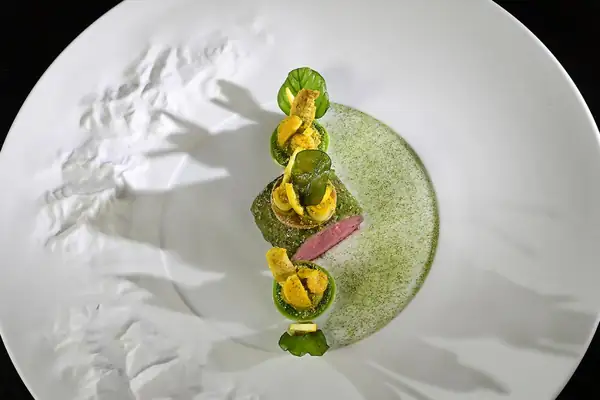
What that tradition means, on the plate, is precision so complete that it becomes emotion. The summer menu this year, the seventy-first the house has composed, opens with red mullet from the rocks of the Mediterranean, its skin crisped to glass, its flesh just set, laid on a sauce of its own bones sharpened with a little saffron. The fish tastes of the sea and of iron; the sauce tastes of a long afternoon in a kitchen. Nothing is on the plate that does not need to be there, and everything that is there is exactly hot enough.
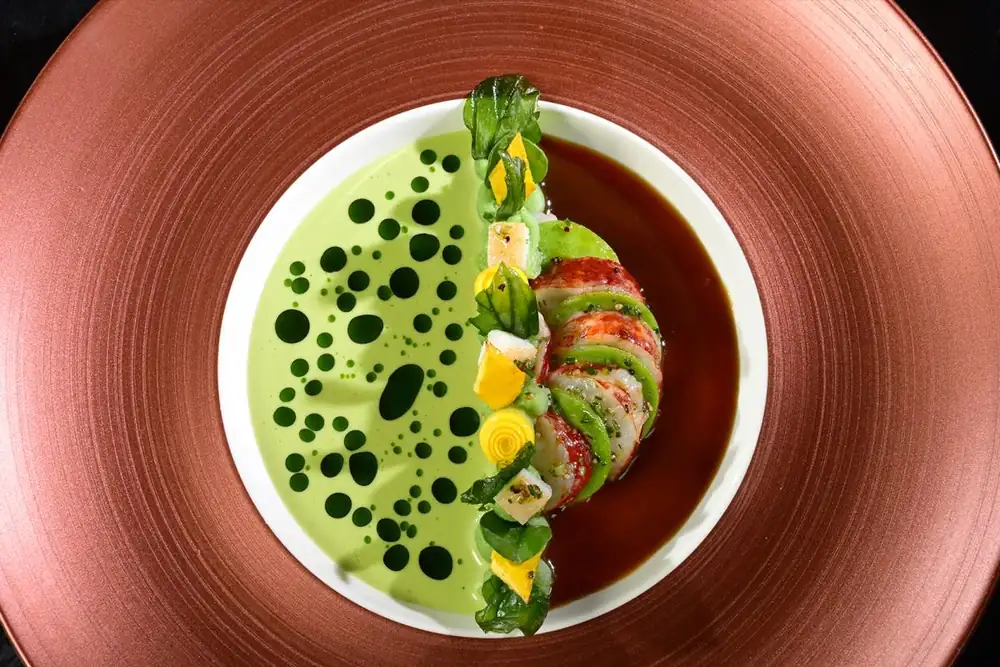
Then the blue lobster, and here you understand the difference between a good kitchen and this one. The tail is poached so gently it stays translucent at the centre, sweet and faintly resistant to the tooth; the claw meat is folded into a sauce built on the shells and finished with a butter that has been infused with the green fronds of fennel. It is rich without being heavy, which is the whole trick of French cooking and the one that almost nobody manages anymore.
The bread and the butter arrive early and set the standard: a dark crackled loaf baked in the house, a pale butter from a dairy up the lake that tastes faintly of hazelnut and grass. Then a first course that is pure Crissier: a small tart of summer vegetables, each one cooked separately to its own perfect point and assembled warm, with a jus so concentrated and so clear that it seemed to have been distilled rather than reduced. It is the kind of dish that looks simple and takes a brigade of twenty to make.
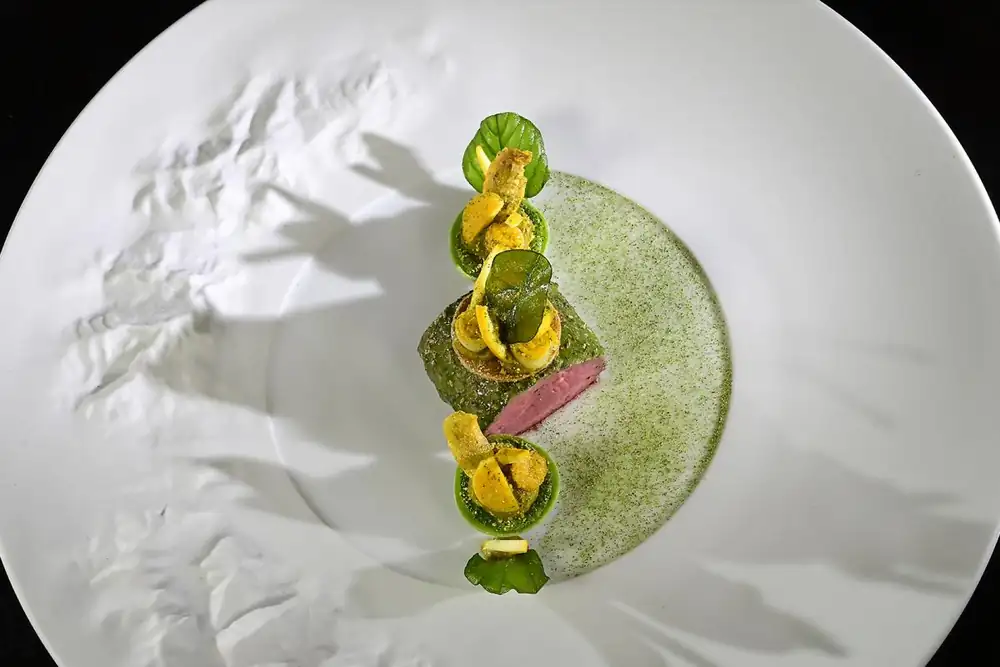
The cheese trolley, when it comes, is a tour of Switzerland and its French neighbours: alpine wheels aged in caves, a Vacherin at the exact moment of collapse, a blue from the Jura that was sweet and sharp at once. The man who serves it knows every one by its maker. I have eaten cheese courses in Paris that were grander. I have not eaten one that was more loving.
The beef comes from the shores of Lake Geneva, from cattle raised within sight of the water, and it is roasted on the bone and carved at the table in the old way. With it, the beans of Vinzel, a tiny village up the slope, picked that morning and cooked until they are just tender and dressed with a jus so clear you can read the plate through it. I have eaten beef in Tokyo and in Buenos Aires that had more drama. I am not sure I have eaten beef that had more truth.
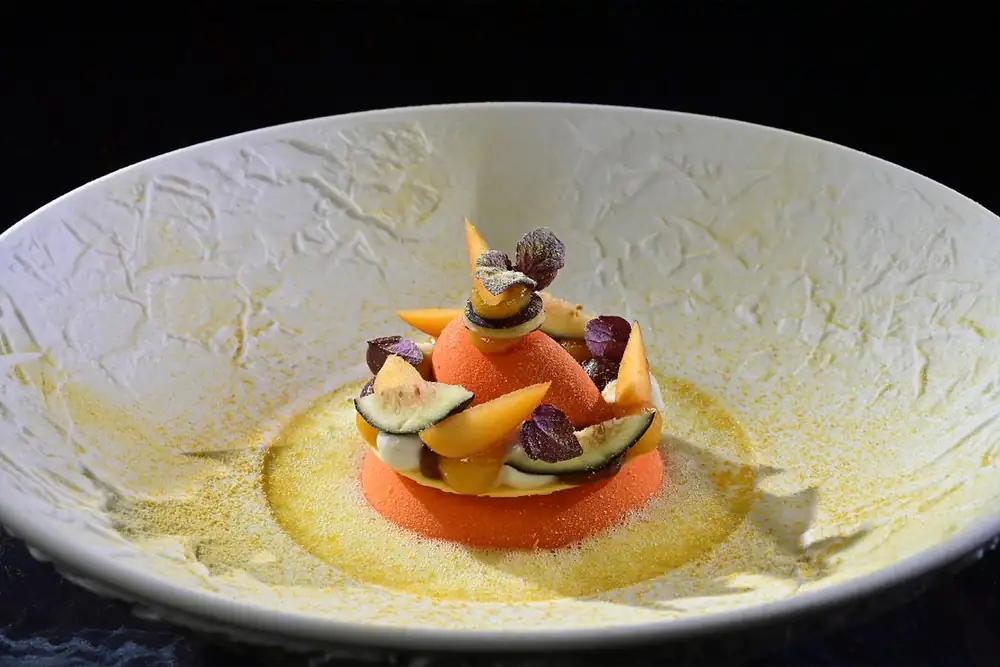
Dessert is where the house shows its age in the best sense. Apricots from the Valais, warm, with figs and a thin sabayon; then a soufflé, the true one, tall and trembling, that arrives exactly when it should and collapses exactly when you put a spoon in it. The wine list is a monument to Swiss and French bottles that nobody outside the region has heard of and everybody should, and the sommelier pours from it with a modesty that borders on mischief.
The room is formal, the tables far apart, the staff numerous and kind. You will spend a great deal. You will not, at any point, feel that the money was the point. The point is the rouget, the lobster, the beans, the soufflé, and the sense that the people who made them would have made them just as carefully if nobody were watching. That is the seventy-year secret of Crissier, and it is still safe.