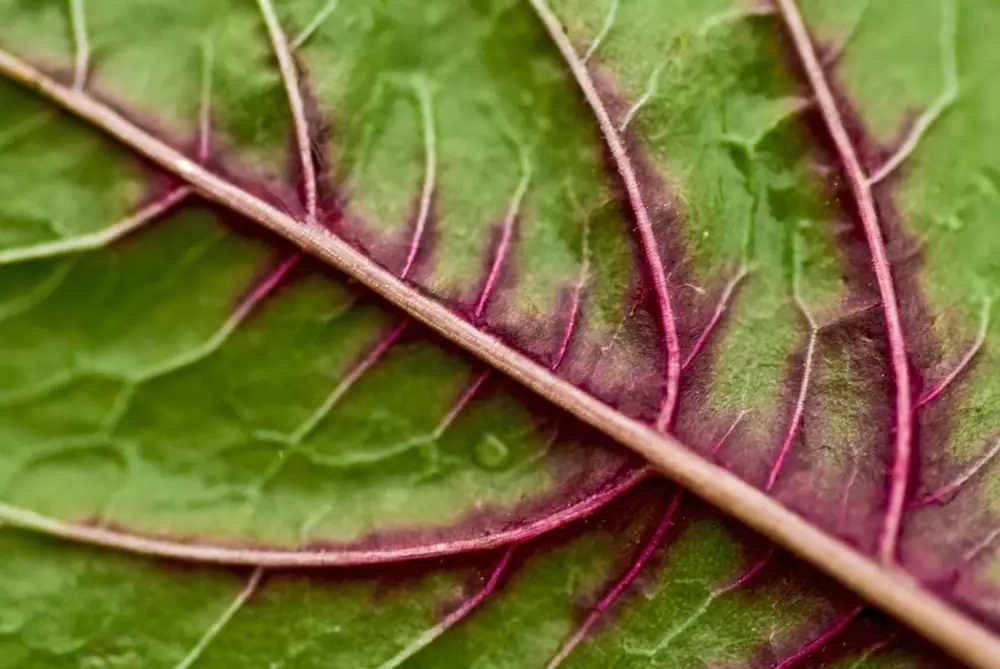
How spinach could power up alternative energy
The leafy green that gave Popeye his unusually muscled forearms has lost some salad-bowl clout to the trendier kale in recent years.
“The proteins we study are part of the most efficient system ever built, capable of converting energy from the Sun into chemical energy with an unrivalled 60 percent efficiency,”
But now, new investigation suggests that the “superfood” could soon have more power in its corner, by teaching us how to create effective alternative energy systems. In a collaborative international effort, physicists and chemists from Purdue and Arizona State Universities have chosen ubiquitous supermarket-bought spinach leaves to research the protein complex involved in photosynthesis.
When plants (as well as algae and cyanobacteria) perform photosynthesis, water and carbon dioxide react with sunlight and synthesize into carbohydrates, which store hydrogen, and oxygen. The research team, funded by the National Science Foundation and Department of Energy, uses state-of-the-art lasers. X-rays to take “snapshots” of the changes — both chemical and physical — that take place during the splitting of water molecules.
To do this, spinach is first kept away from light and heat over the course of two days before photosystem II (PSII), the electron-transporting protein cluster responsible for water splitting, is extracted from its leaves. When extraction is complete, the proteins are stimulated by lasers, which, according to Pushkar, act as a substitute for sunlight. “Once the proteins start working, we use advanced techniques like electron paramagnetic resonance and X-ray spectroscopy to observe how the electronic structure of the molecules change over time as they perform their functions,” she told reporters.
The electron paramagnetic resonance has disclosed precisely when the structural changes happen during the chemical process. This is big breakthrough, as in prior tests, the combination of laser beams and X-rays provided snapshots of the changes, but didn’t indicate the exact electronic configurations.
Until now, researchers had results, but couldn’t successfully place the stage of PSII. “This information is kind of like a time stamp and without it the team wouldn’t have been able to put the structural changes in context,” Pushkar stated. Research on the inner-workings of spinach leaves is ongoing.
The current results have been published in Nature . If you have any news or insights to share, drop us a line at rob@agfunder.com FEATURED PHOTO: Stewart /Flickr
- Who: Arizona State Universities
- Percentages: 60 percent
- Figures: 60 percent