Embracing Digital Agriculture: Coffee’s Fourth Wave?
Here she writes about the adoption of digital agriculture in the coffee sector, particularly in India.
The world is on a serious caffeine kick to the tune of 500 billion cups of coffee every year. Coffee supply faces a global crisis in the form of climate change, and the prognosis is bad in nearly every coffee-growing region in the world.
Several studies have predicted that the amount of suitable farmland for coffee growing will halve by 2050. In Ethiopia – currently, the world’s sixth largest producer – 60% of coffee production will be gone by 2050 .
An ecological model of Latin America suggests that the habitat for coffee could shrink by as much as 88%, with particularly large losses in the lowlands of Nicaragua, Honduras, and Venezuela. A report in the Proceedings of the National Academy of Sciences predicts that up to 51% of all coffee-growing areas will have fewer bee species by 2050, which will dent yields further.
This was the conclusion of the Coffee Board of India , where coffee production dropped by nearly 30% between 2002 and 2013 as buying interest grew. The Board has applied the latest thinking in technology and digital thinking to the age-old problem of optimizing harvest yields and the more recent challenges associated with sustainability and productivity.
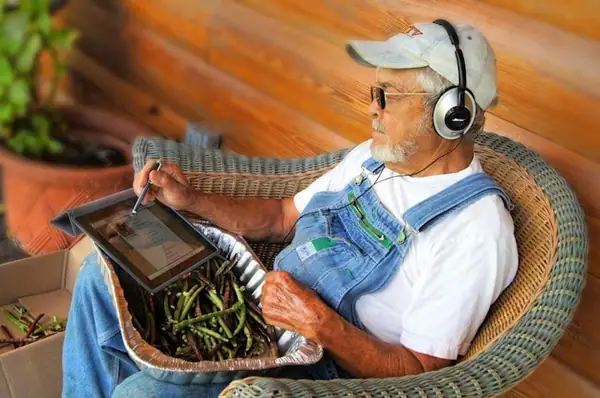
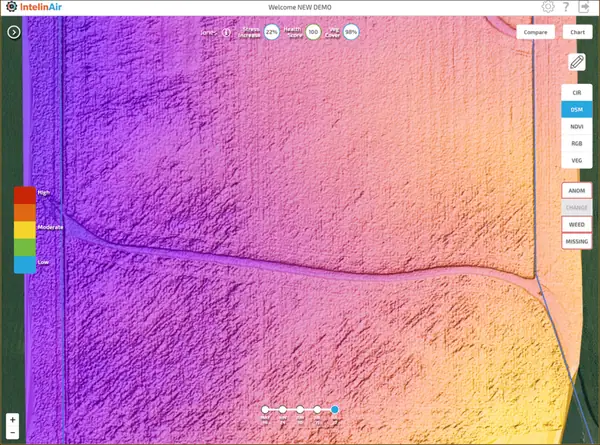
Mobile, cloud, and AI The Board’s approach is an example of how smartphones, cloud solutions. Artificial intelligence are being used to help planters develop effective strategies against the ravages of climate change and the associated challenges. Where the industrial internet of things has garnered the lion’s share of attention from commentators, analysts. Users, the Board is adopting an approach, powered by Eka’s Digital Agriculture Platform, that embraces all aspects of digital agriculture to improve the quality and quantity of coffee members can produce. With predictions covering the upcoming 15 days supplemented by daily forecast updates giving an efficient prediction of rainfall, growers can manage their irrigation systems effectively – and even plan planting and fertilizer use.
The grower can simply upload a photo of a plant that is causing him concern, and the app analyses the image to identify evidence of disease or pests with an overall accuracy of over 90%. Growers can in addition use mobile apps to analyze climate data in conjunction with historical disease occurrence, to predict the likelihood of a disease flare-up for specific harvests.
Using the app, the farming community can determine which areas are more susceptible to a specific disease and its impact on the next gathering. This is just one example of how innovative technology is being used to address the challenges facing the world’s coffee marketplaces.
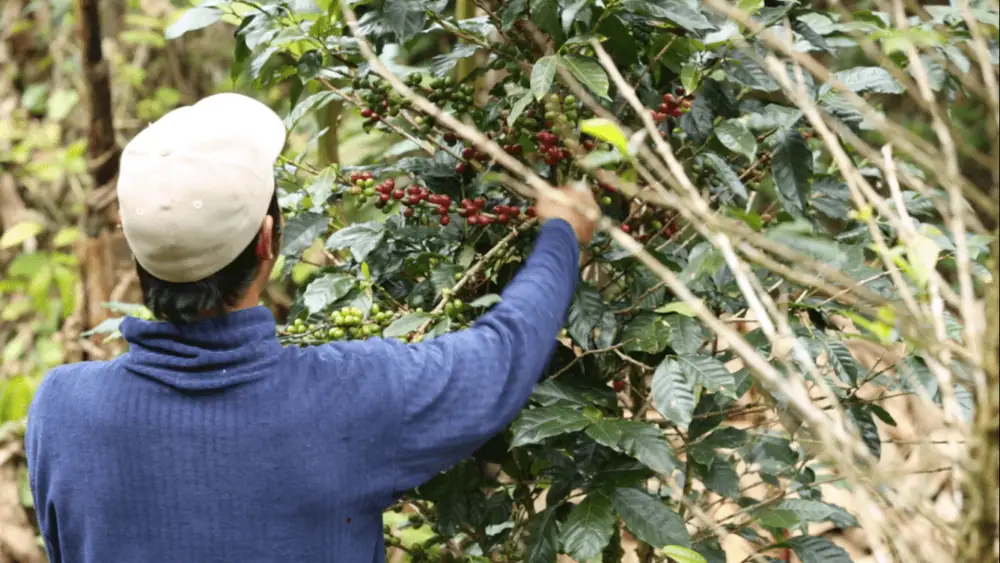
Today, even so, many producers are leaving taller trees to uptick the diversity of wildlife in the coffee holdings. In fact, one study in Jamaica found that insect-eating birds benefitted coffee producers $125 per acre in pest control a year, making it a great outcome for the producer and the end consumer. Small farmers in remote areas can grow more coffee with less water by using practices like drip irrigation.
These producers can produce more consistent and better quality coffee using less water. Technology is driving the entire coffee value chain Technology is transforming coffee farming in a targeted way that meets the reality of daily life for the world’s commodity planters. This is technology that arms growers with information that is necessary to face down the ravages of nature, without aggravating the problem still further in the future.
- Who: Coffee · Coffee Board
- Money: $100 billion · $125
- Percentages: 60% · 88% · 51% · 30%
- Figures: 500 billion · 100 billion · 159.9 million · 60 kilo