Top 25 Bolivian Foods - Best Bolivian Dishes
Bolivia is a vast country with varied climates, and consequently it offers a huge range of natural products. These include hundreds of varieties of potatoes and corn, as well as fruits and spices, which are creatively used by its people to enrich their cuisine. The people of the Andean zone, with its cold climate, favo…
Those in the eastern zone use Amazonian products such as bananas, yuca, and corn, as well as preserved and dried meats. The valley area is perhaps the most fertile and has the greatest variety of products, so the main feature of dishes prepared here is the number of ingredients and range spices used. Spicy, thick-fleshed locoto (a hairy Bolivian chili that resembles the rocoto) and other chili peppers are often used in dishes.
As diverse as its people, geography, climate, and culture, Bolivian cuisine offers an endless range of flavors that reflect the traditions of each region. With the heritage of the native people which dates back millenia, the European influence of colonization, and the introduction of contemporary cooking techniques, the possibilities are endless.
From the sea level eastern lowlands through to the 12,000 ft. high Andean basin, the following is a small sample of flavors and textures of this cuisine. Enjoy the tour!
- 1. Salteña
This is a baked patty with two ingredients that distinguish it from any snack in the rest of the world: broth and chili. In addition to the steaming broth, it has a filling of different legumes, beef or chicken chunks, potato and spicy spices.
It is a very popular and inexpensive mid-morning snack that you can find and enjoy in any street or square in the country.
- 2. Pique Macho
This dish is typical of Cochabamba (the valley region). Well-seasoned chunks of minced meat, chorizo, fried potatoes, locotos (Bolivian chili peppers), tomatoes, hard-boiled eggs, and sliced onions, all in very generous quantities and served as a snack. Sometimes it is dressed with a sauce made with beer, oil, vinegar, and llajua (a very hot sauce made with locoto and tomatoes).
This dish is reputed to have been created as a hangover cure and is considered “only for the brave” thanks to the fiery power of the spices.
- 3. Picante de Pollo (Spicy Chicken)
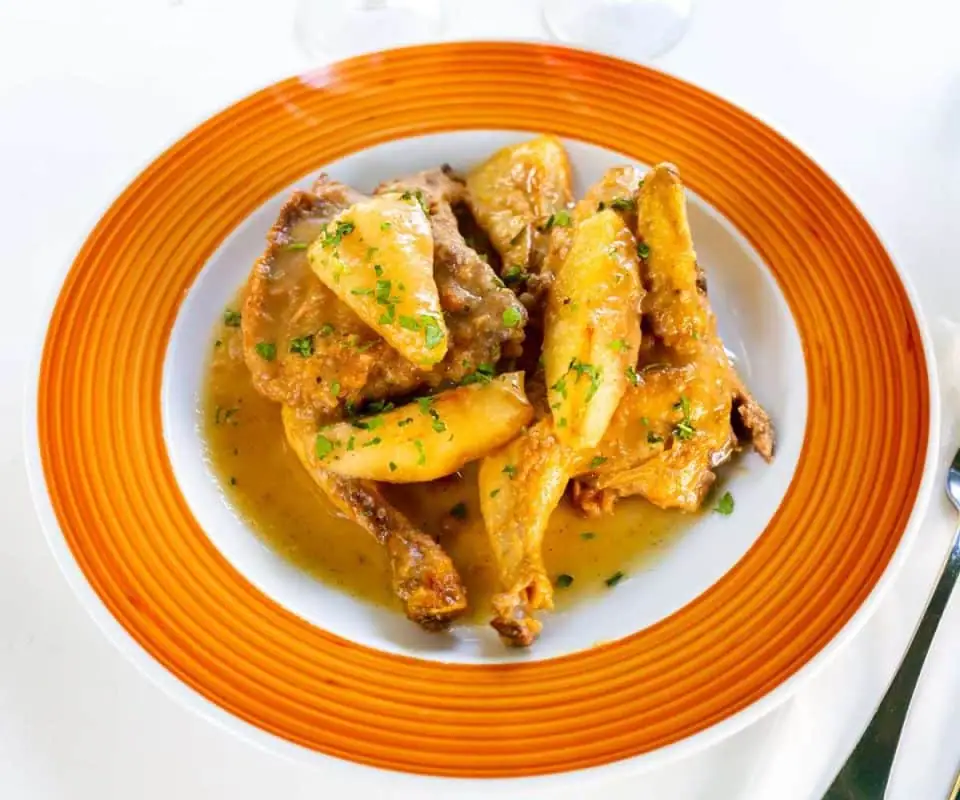
You can find this in several cities throughout the country, but the version made in Cochabamba is considered the tastiest. Its special ingredient is the red chili sauce in which pieces of chicken are stewed.
Potato, chuño (dehydrated potato), tomato and onion salad, rice, and peas are typical partners for this delightful dish. You may also find it prepared with different sorts of meat, such as ox tongue, oxtail, or rabbit.
- 4. Chanka de Pollo (Chicken Chanka)
This is a very traditional food that you’ll find all over the country. Prepared with chicken, beans, green onions, and potatoes, it is served with abundant broth in which a variety of vegetables and meat are cooked.
The onion to garnish the dish and the llajwa (spicy sauce) to intensify its flavor are a must. Rabbit is used as a popular variation.
- 5. Chicharrón
Every weekend in Cochabamba, you’re likely to see chicharrón being cooked in large copper pans over a wood fire. Pieces of meat are cooked along with bacon and pigskin fried in their own fat and chicha (an alcoholic beverage made with fermented cornmeal). It is typically accompanied by mote (boiled corn), potatoes, and llajwa.
What’s llajwa? It’s a hot chili sauce made from locotos, hot chili peppers, and tomatoes that you’ll find on virtually every Bolivian dinner table.
- 6. Fricasé
This is an iconic dish in the city of La Paz. Pork is stewed in abundant water with onion, spices, herbs, lemons, and red and yellow chilis.
The broth is then thickened with bread crumbs and served in a deep dish with chuño, peeled corn, and potatoes. Chuño is a freeze-dried potato product, traditionally made by the Quechua and Aymara communities.
- 7. Chorizo Chuquisaqueño
This is a mouth-watering Creole spiced pork sausage snack from the Chuquisaca region. An open sandwich, it’s usually served for breakfast or brunch.
It is typically accompanied by a salad of lettuce, tomato, onion, and, of course, locoto.
- 8. Chola Sandwich
Slices of baked pork, crispy pork crackling, lettuce, tomato and quirquiña (an aromatic herb), or pickled onion and carrot on a round piece of bread. The chola sandwich owes its name to the traditionally dressed ladies who sell it.
- 9. Charque
This is a traditional dish based on beef or llama meat, which is dehydrated by covering it with salt and exposing it to the sun for several days. It is served boiled and deep-fried, with boiled eggs, cheese, potato, corn, and llajwa.
- 10. Majadito or Majao
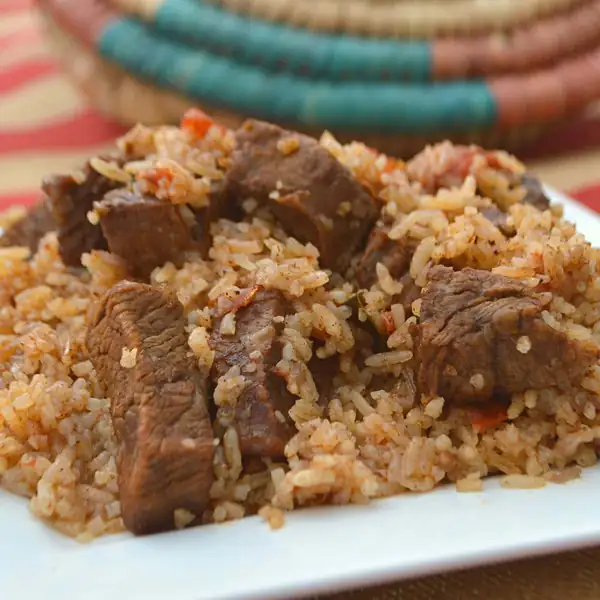
Typical of the eastern region, this dish consists of yellow rice with charque (dehydrated meat), accompanied by yucca, fried plantain, and eggs, and has the consistency of a risotto. It can also be served with chicken or duck.
- 11. Sopa de Maní (Peanut Soup)
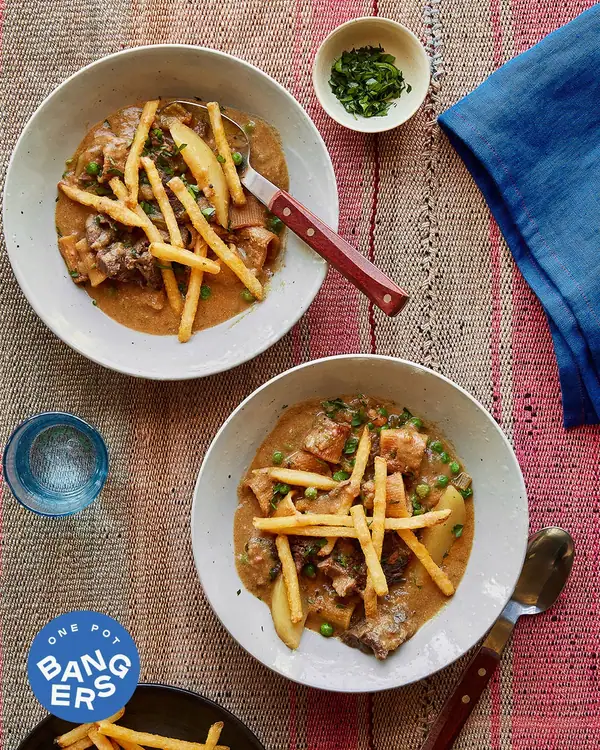
This is one of the most popular Bolivian traditional dishes, and was shot back into the national culinary consciousness on the famous TV show Master Chef. It is prepared with white peanuts, various vegetables, macaroni, pieces of beef or chicken, and served with French fries which float on top as a garnish.
- 12. Anticucho
The name of this dish comes from the Quechua language. Beef heart is skewered on sticks, seasoned with a mixture of oil, yellow chili, garlic, and cumin, and grilled over a charcoal fire. It is best accompanied by potatoes and a spicy peanut and chili sauce.
- 13. Silpancho and Trancapecho
Typical of the Cochabamba valley, this dish consists of a piece of beef beaten until it is very thin. It is accompanied by white rice, fried egg, boiled and browned potatoes, plus a raw sauce based on tomato, onion, and locoto. One of the features you’ll notice if you order this is the huge size of the portions.
This enormous meal has become a feature of Cochabamba’s nightlife. Because hungry revelers needed an economical late-night snack served in a way they could take away with them, the Trancapecho was born.
You may notice that this curious concoction resembles a Silpancho. However, served in crusty rustic bread, it’s known as the “poor son of Silpancho”. Still, it will fill you up just as well!
- 14. Mondongo
Popular in the department of Chuquisaca, Mondongo is a meal based on pork and skin minced into small pieces. This colorful culinary offering combines loads of red chili peppers in a delicious sauce, with boiled potato, corn, and yellow chili.
It’s served hot as a main course.
- 15. Pampaku
Cooked for three hours in an underground oven of hot stones, this is a dish typical of the Valleys. It’s made of various types of meat (pork, chicken, beef, lamb, or duck), slowly cooked in its own juices along with potatoes, plantains, sweet potato, and corn on the cob.
It is served with a salad. Very few dishes can achieve the tenderness and complex flavors created by this traditional technique.
- 16. Ají de Fideo (Spicy Noodles)
This is a traditional highland dish, mainly in the mining areas, although it can be found throughout the country. The main ingredients are toasted noodles, beef, lamb, and chicken in a broth with lots of aji (chili peppers).
This filling and delicious meal is typically cooked in a clay pot over a wood fire.
- 17. Fritanga
This is a hearty traditional dish from the valleys of Chuquisaca. It’s made with fried pork ribs seasoned with many spices and hot chili, and is typically accompanied with patasca (broth with corn) and potatoes. Simple but satisfying!
- 18. Api with Pasteles
Ideal at the beginning or end of the day, api is a warming drink typical of the coldest areas of the country, where it’s served very hot. It is made from ground purple or yellow corn with cinnamon, cloves, and sugar. You’ll likely find it served with a fried patty made of wheat flour, filled with cheese, and sprinkled with plenty of powdered sugar.
- 19. Saice
One of the most popular dishes of Tarija (Valley area),this is a luscious stew of well-seasoned and finely chopped beef with chili. It’s typically served with rice or noodles, Creole potatoes, chuño breaded with cheese and egg, and a fresh, refreshing salad.
- 20. Humintas a la Olla
This is a delicious Bolivian snack made from a pastry of ground corn, milk, butter, salt, sugar and slices of fresh cheese. It’s seasoned with aniseed. The dough is divided into portions, wrapped in corn leaves, and boiled in a pot of water.
When you try them, make sure you also have a good coffee.
- 21. Chanfaina
The main ingredient here is lamb giblets (liver, heart, and lungs) cut into small pieces and slowly transformed into a thick stew. This filling and nutrient-rich dish is usually prepared with rice, potatoes, and oca (a sort of sweet potato).
- 22. Locro Carretero
You can find this delicacy in the east of Bolivia made with beef jerky or poultry, egg, onion, green plantain, and yucca. This traditional soup is so-called because it used to be consumed by those who traveled by carretón (a cart pulled by oxen or horses).
- 23. Patasca
Typical of the eastern lowlands, Patasca is a thick broth made from beef and pig’s head, stewed until the meat is reduced to tiny pieces and melts off the bone. Popped corn is shredded and served with chopped green onion and boiled yucca.
It is popularly consumed after parties as it is reputed to be a cure for hangovers.
- 24. Ranga Ranga
The star ingredient of this dish is cow belly, chopped into small pieces and stewed to make a broth to which is added diced potato, onion, and yellow chili pepper among other condiments. Enjoy it with a tomato and onion salad.
- 25. Phisara de Quinua
Quinoa is a grain native to the high plateau area of the Andes mountains, which has a high nutritional value. In Bolivia, this “golden grain” is used to prepare more than thirty exquisite dishes, one of them being Phisara, which is served mainly in La Paz, Oruro, and Potosi.
It consists of quinoa lightly ground in a batán (grinding stone), toasted and then cooked in a pot. Quinoa is served with roasted beef, llama pork rinds, charque or cheese, and garnished with beans, cooked peas, and green onions.
Have we included your favorite Bolivian dish in our list? Share any additional suggestions with our community and help spread the word about the richness and variety of Bolivian cuisine!
Related: Most Popular Bolivian Desserts Related: Popular Bolivian Christmas Dishes
Salteña
This is a baked patty with two ingredients that distinguish it from any snack in the rest of the world: broth and chili. In addition to the steaming broth, it has a filling of different legumes, beef or chicken chunks, potato and spicy spices. It is a very popular and inexpensive mid-morning snack that you can find and enjoy in any street or square in the country.
Pique Macho
This dish is typical of Cochabamba (the valley region). Well-seasoned chunks of minced meat, chorizo, fried potatoes, locotos (Bolivian chili peppers), tomatoes, hard-boiled eggs, and sliced onions, all in very generous quantities and served as a snack. Sometimes it is dressed with a sauce made with beer, oil, vinegar, and llajua (a very hot sauce made with locoto and tomatoes). This dish is reputed to have been created as a hangover cure and is considered “only for the brave” thanks to the fiery power of the spices.
Picante de Pollo (Spicy Chicken)
You can find this in several cities throughout the country, but the version made in Cochabamba is considered the tastiest. Its special component is the red chili sauce in which pieces of chicken are stewed. Potato, chuño (dehydrated potato), tomato and onion salad, rice, and peas are typical partners for this delightful dish. You may in addition find it prepared with different sorts of meat, such as ox tongue, oxtail, or rabbit.
Chanka de Pollo (Chicken Chanka)
This is a very traditional food that you’ll find all over the country. Prepared with chicken, beans, green onions, and potatoes, it is served with abundant broth in which a variety of vegetables and meat are cooked. The onion to garnish the dish and the llajwa (spicy sauce) to intensify its taste are a must. Rabbit is used as a popular variation.
Chicharrón
Every weekend in Cochabamba, you’re likely to see chicharrón being cooked in large copper pans over a wood fire. Pieces of meat are cooked along with bacon and pigskin fried in their own fat and chicha (an alcoholic beverage made with fermented cornmeal). It is typically accompanied by mote (boiled corn), potatoes, and llajwa. What’s llajwa? It’s a hot chili sauce made from locotos, hot chili peppers, and tomatoes that you’ll find on virtually every Bolivian dinner table.
Fricasé
This is an iconic dish in the city of La Paz. Pork is stewed in abundant water with onion, spices, herbs, lemons, and red and yellow chilis. The broth is then thickened with bread crumbs and served in a deep dish with chuño, peeled corn, and potatoes. Chuño is a freeze-dried potato product, traditionally made by the Quechua and Aymara communities.
Chorizo Chuquisaqueño
This is a mouth-watering Creole spiced pork sausage snack from the Chuquisaca region. An open sandwich, it’s usually served for breakfast or brunch. It is typically accompanied by a salad of lettuce, tomato, onion, and, of course, locoto.
Chola Sandwich
Slices of baked pork, crispy pork crackling, lettuce, tomato and quirquiña (an aromatic herb), or pickled onion and carrot on a round piece of bread. The chola sandwich owes its name to the traditionally dressed ladies who sell it.
Charque
This is a traditional dish based on beef or llama meat, which is dehydrated by covering it with salt and exposing it to the sun for several days. It is served boiled and deep-fried, with boiled eggs, cheese, potato, corn, and llajwa.
Majadito or Majao
Typical of the eastern region, this dish consists of yellow rice with charque (dehydrated meat), accompanied by yucca, fried plantain, and eggs, and has the consistency of a risotto. It can as well be served with chicken or duck.
Sopa de Maní (Peanut Soup)
This is one of the most popular Bolivian traditional dishes, and was shot back into the national culinary consciousness on the famous TV show Master Chef . It is prepared with white peanuts, various vegetables, macaroni, pieces of beef or chicken, and served with French fries which float on top as a garnish.
Anticucho
The name of this dish comes from the Quechua language. Beef heart is skewered on sticks, seasoned with a mixture of oil, yellow chili, garlic, and cumin, and grilled over a charcoal fire. It is best accompanied by potatoes and a spicy peanut and chili sauce.
Silpancho and Trancapecho
Typical of the Cochabamba valley, this dish consists of a piece of beef beaten until it is very thin. It is accompanied by white rice, fried egg, boiled and browned potatoes, plus a raw sauce based on tomato, onion, and locoto. One of the features you’ll notice if you order this is the huge size of the portions. This enormous meal has become a feature of Cochabamba’s nightlife. Because hungry revelers needed an economical late-night snack served in a way they could take away with them, the Trancapecho was born. You may notice that this curious concoction resembles a Silpancho. However, served in crusty rustic bread, it’s known as the “poor son of Silpancho”. Still, it will fill you up just as well!
Mondongo
Popular in the department of Chuquisaca, Mondongo is a meal based on pork and skin minced into small pieces. This colorful culinary offering combines loads of red chili peppers in a delicious sauce, with boiled potato, corn, and yellow chili. It’s served hot as a main course.
Pampaku
Cooked for three hours in an underground oven of hot stones, this is a dish typical of the Valleys. It’s made of various types of meat (pork, chicken, beef, lamb, or duck), slowly cooked in its own juices along with potatoes, plantains, sweet potato, and corn on the cob. It is served with a salad. Very few dishes can achieve the tenderness and complex flavors created by this traditional technique.
Ají de Fideo (Spicy Noodles)
This is a traditional highland dish, mainly in the mining areas, though it can be found throughout the country. The main elements are toasted noodles, beef, lamb, and chicken in a broth with lots of aji (chili peppers). This filling and delicious meal is typically cooked in a clay pot over a wood fire.
Fritanga
This is a hearty traditional dish from the valleys of Chuquisaca. It’s made with fried pork ribs seasoned with many spices and hot chili, and is typically accompanied with patasca (broth with corn) and potatoes. Simple but satisfying!
Api with Pasteles
Ideal at the beginning or end of the day, api is a warming drink typical of the coldest areas of the country, where it’s served very hot. It is made from ground purple or yellow corn with cinnamon, cloves, and sugar. You’ll likely find it served with a fried patty made of wheat flour, filled with cheese, and sprinkled with plenty of powdered sugar.
Saice
One of the most popular dishes of Tarija (Valley area),this is a luscious stew of well-seasoned and finely chopped beef with chili. It’s typically served with rice or noodles, Creole potatoes, chuño breaded with cheese and egg, and a fresh, refreshing salad.
Humintas a la Olla
This is a delicious Bolivian snack made from a pastry of ground corn, milk, butter, salt, sugar and slices of fresh cheese. It’s seasoned with aniseed. The dough is divided into portions, wrapped in corn leaves, and boiled in a pot of water. When you try them, make sure you in addition have a good coffee.
Chanfaina
The main component here is lamb giblets (liver, heart, and lungs) cut into small pieces and slowly transformed into a thick stew. This filling and nutrient-rich dish is usually prepared with rice, potatoes, and oca (a sort of sweet potato).
Locro Carretero
You can find this delicacy in the east of Bolivia made with beef jerky or poultry, egg, onion, green plantain, and yucca. This traditional soup is so-called since it used to be consumed by those who traveled by carretón (a cart pulled by oxen or horses).
Patasca
Typical of the eastern lowlands, Patasca is a thick broth made from beef and pig’s head, stewed until the meat is reduced to tiny pieces and melts off the bone. Popped corn is shredded and served with chopped green onion and boiled yucca. It is popularly consumed after parties as it is reputed to be a cure for hangovers.
Ranga Ranga
The star ingredient of this dish is cow belly, chopped into small pieces and stewed to make a broth to which is added diced potato, onion, and yellow chili pepper among other condiments. Enjoy it with a tomato and onion salad.
Phisara de Quinua
Quinoa is a grain native to the high plateau area of the Andes mountains, which has a high nutritional value. In Bolivia, this “golden grain” is used to prepare more than thirty exquisite dishes, one of them being Phisara, which is served mainly in La Paz, Oruro, and Potosi. It consists of quinoa lightly ground in a batán (grinding stone), toasted and then cooked in a pot. Quinoa is served with roasted beef, llama pork rinds, charque or cheese, and garnished with beans, cooked peas, and green onions. Have we included your favorite Bolivian dish in our list? Share any additional suggestions with our community and help spread the word about the richness and variety of Bolivian cuisine! Related: Most Popular Bolivian Desserts Related: Popular Bolivian Christmas Dishes