
Born this whey: why unprocessed butter and cheese are the new health foods
Full of protein and with a super-short ingredient list, dairy is making a comeback as a natural option for wellness-focused diners.
“We use their seaweed and our butter to create a pretty exceptional butter that is amazing with meat, fish or vegetables to add a real umami hit,”
There’s plenty to enjoy on the menu at Chez Rose, central London’s latest high-end bistro, but one thing stands out: the preponderance of dairy products. There are gougères – or cheese puffs – a courgette flower stuffed with ricotta, scallops with Café de Paris butter, pomme purée that must be at least 50% beurre and half-a-dozen other dishes where butter plays a key role.
This sort of food is not new to London – there are west London postcodes where you can’t swing a baguette without bashing a brasserie – but it has been a bit of a guilty pleasure until recently. No more. Dairy is making a comeback, boosted by the likes of Chez Rose and Bouchon Racine, and it’s not all about indulgence, either.
Cottage cheese, for example, has enjoyed perhaps the unlikeliest comeback since vinyl records. Its ability to add richness and protein to a dish without contributing too many calories is apparently popular with the younger generations– although it is, thus far, largely an eat-at-home trend rather than a hospitality one.
“The speed at which trends now emerge is incredible,” says Heidi Reeder, director at Allan Reeder, supplier of fresh milk and dairy products. “Products that are higher in protein have found new audiences through social media, creating an increased interest across all hospitality sectors. We’ve seen the same effect with matcha, which has quickly moved from a niche product to featuring on many coffee shop and café menus. Consumers are seeking out food and drinks that are visually appealing and that align with wellness trends.”
If there’s one thing that combines these elements, it’s the notion that dairy is ‘real food’ in an era when overly long ingredient lists are being named and shamed.
“We’re seeing a real shift in consumer priorities,” says Estelle Alley, UK category manager at Bord Bia – the Irish Food Board. “Our recent Sustainable Nutrition Report showed that ‘being natural and real’ is now the number one driver for dairy consumers. People are paying closer attention to ingredients and looking for recognisable foods that offer clear benefits without unnecessary complexity.”
That’s music to the ears of any serious cook – so how can operators make the best of the current desire for dairy?
Better butter
As customers trade up, provenance is increasingly important, according to Reeder. “Chefs and consumers want to understand where ingredients come from, how they are produced and the story behind them,” she says. “That’s why we work closely with the British dairy farms that supply us, regularly taking chefs to the farms so they can meet producers first-hand and gain a deeper understanding of the people, standards and farming practices behind the products they use.”
At the centre of this trend is butter. High-quality butter and the companies that produce it are in great demand, which is why the Edinburgh Butter Company is about to launch butter portions. “We use the best of British cream to produce a premium butter perfect for individual servings,” says co-founder Nick Sinclair. “There has been a significant amount of interest, mainly from Scottish businesses looking to offer a unique butter to their customers. We will be the first butter company in Scotland to produce premium round portions. We’re just finalising testing of the machinery, but expect to launch soon.”
Edinburgh Butter Company has also collaborated on flavoured butters: a seaweed butter with Selkie Seaweed (“We use their seaweed and our butter to create a pretty exceptional butter that is amazing with meat, fish or vegetables to add a real umami hit,” says Sinclair) and smoked cultured butter made by Edinburgh Butter Company and smoked by Belhaven Smokehouse.
This versatility on dishes is one of the reasons for the current popularity of butter, says Kevin Beer, managing director at Millbrook Dairy. “Quality block butter is increasingly being valued for its flavour and perceived simplicity, while whipped, flavoured or locally presented butters can turn something very familiar into a memorable part of the dining experience,” he says. “Versatility is particularly important in the current trading environment. Ingredients that can work across several menu occasions help operators manage stock, control waste and achieve better value.”
Dependable dairy
Alongside versatility, products that perform reliably are essential for many operators, according to Marion Candy, trade marketing and activation controller at Lakeland Dairies. “Products that offer long life, ambient storage and operational flexibility are increasingly key for busy kitchens, particularly as short-life fresh ingredients can lead to waste and cost risk,” she says.
“Millac Gold has been developed with foodservice environments in mind. As a blended cream made from buttermilk, vegetable oil and fresh dairy cream, it is designed to deliver on the functionality chefs expect and the richness in flavour customers want. Compared with traditional fresh cream, Millac Gold Double offers improved reliability in demanding kitchen environments, while maintaining the versatility required for both sweet and savoury applications.”
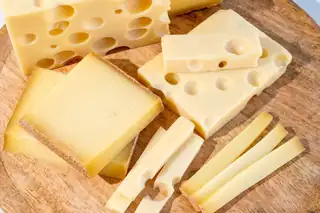
Traditional products can be equally versatile. Take Stilton: this year, producer Clawson Farms has teamed up with culinary colleges across the UK to reimagine this most British of cheeses. “Stilton may be over a century old, yet it’s a heritage cheese with modern appeal – its rich umami depth and creamy, crumbly texture reaches far beyond the cheeseboard, securing its place on contemporary menus,” says Bill Mathieson, managing director.
“From whipped Stilton with roasted squash to blue cheeseburgers or loaded fries, its bold flavour allows chefs to use less while delivering more impact, supporting both cost efficiency and sustainability.”
Mathieson recommends the recently launched Clawson Farms Professionals range of Artisan Blue Stilton Crumb and Artisan Shropshire Blue Crumb, which “eliminate the need for manual crumbling, offering precise portion control”, while its burger melts “are perfect for burgers, toasties and bagels”.
“These formats offer a great addition for many menu choices, such as gourmet burgers, pizzas and as hot dog toppings, as well as sandwich and pie fillings or for a flavour boost in pasta dishes, salads, soups and more,” he adds.
From bistros to burgers, it looks like dairy’s place is assured in the roster of any professional kitchen for a long time yet.