What foods should you eat in moderation? Here's what the WHO says
The WHO highlights the importance of prioritizing fresh foods, reducing sodium and sugar intake, and maintaining a varied diet.
Peruvian cuisine features many commonly consumed foods, but several should be eaten in moderation. Bread, rice, processed meats, and soft drinks don't need to be eliminated from the menu, but it is important to review how much and how often you include them to maintain a balanced diet.
Along these lines, the Peruvian Ministry of Health's Dietary Guidelines for the Population recommend that natural foods form the basis of the diet and that processed products, which may contain high amounts of salt or sugar, be consumed in moderation. The World Health Organization (WHO) also suggests prioritizing natural or minimally processed foods and maintaining variety.
Bread and rice: two staples that require balance
Bread and rice are staples in many Peruvian meals, but neither needs to be eliminated. Bread can contribute significant amounts of sodium when consumed regularly, while rice, as a source of carbohydrates, can be part of a healthy diet.
The key is to avoid letting them take up almost the entire plate or constantly pairing bread with products high in sodium, saturated fats, or sugars. Incorporating vegetables, fruits, legumes, and adequate sources of protein helps maintain a more varied diet.
Processed meats, soft drinks and juices: pay attention to the frequency
Ham, hot dogs, and sausages are convenient, but they belong to a group whose consumption should be moderated. The WHO points out that processed meats can contribute significant amounts of sodium and recommends that adults consume less than 5 grams of salt per day.
Something similar happens with sugary drinks. The WHO recommends limiting free sugars to less than 10% of daily energy intake and notes that reducing them to 5% can provide additional benefits. Water can become the regular beverage, while sodas and soft drinks can be reserved for less frequent occasions.
Fruit juices are also not equivalent to whole fruit; even without added sugar, they can contain considerable amounts of free sugars.
Sauces and ultra-processed foods also count
Sodium doesn't come solely from the salt shaker. Processed meats, cheeses, instant products, snacks, and some sauces can contribute to your total sodium intake. Therefore, monitoring the quantities and using herbs, spices, lemon, or natural chili peppers can help reduce your reliance on commercial products high in sodium.
Furthermore, Peruvian dietary guidelines recommend avoiding ultra-processed foods and prioritizing natural foods. However, this does not mean that all processed products are automatically harmful.
What should have more space on the plate?
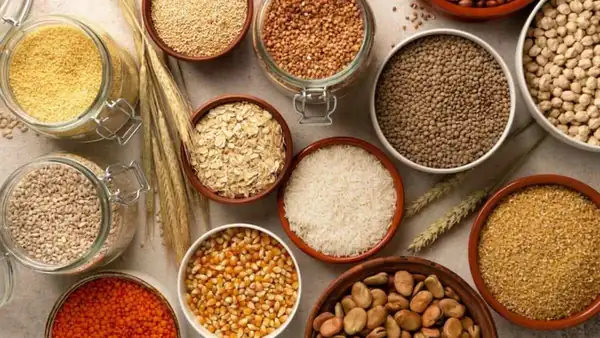
Rather than eliminating foods, the recommendation is to eat a variety; fruits, vegetables, legumes, whole grains, and protein sources should all be part of a balanced diet. For those over 10 years old, the WHO recommends a daily intake of at least 400 grams of fruits and vegetables.
Thus, bread and rice can continue to be staples in Peruvian cuisine. The difference lies in ensuring they don't systematically replace other foods and that products high in salt or sugar are consumed in moderation.