What is a bento box?
For the past few years, the bento box has changed the way we think about lunches. Although its appearance in our kitchens is recent, its history dates back several centuries. Let's take a closer look at this iconic container that has transformed the lunchbox!
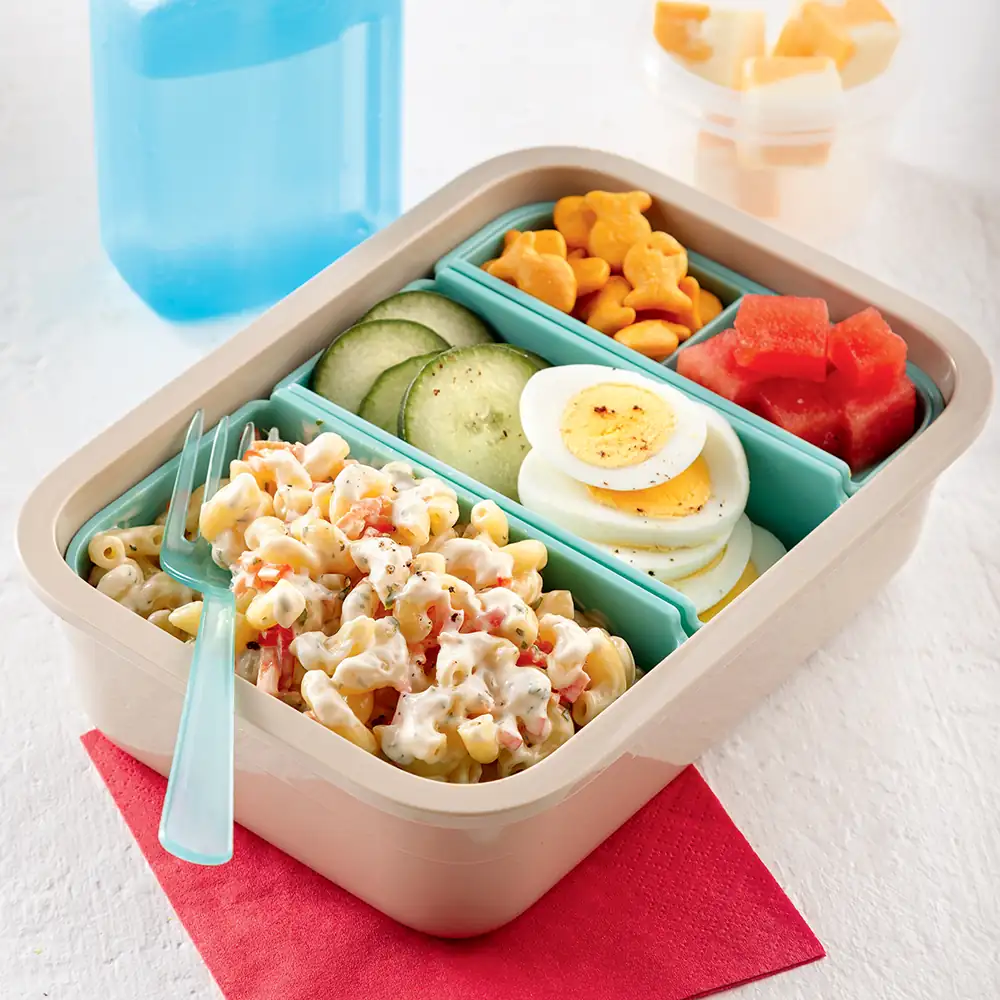
Originating in Japan, the bento box stands out from other lunch containers thanks to its multiple compartments. These compartments serve to separate the different foods that make up the meal and prevent them from mixing. The box comes in many shapes (round or rectangular) and various sizes to satisfy all appetites. It emphasizes a harmonious composition of foods to transform each meal into a truly memorable experience.
L'art ancestral du bento
The history of the bento box dates back to the Heian period (794-1185), one of the traditional subdivisions of Japanese history. This container served to feed Japanese travelers and warriors on the road with easily portable meals. Over time, the bento evolved into an art form, featuring increasingly refined and elaborate presentations. The modern version of this practice emerged during the Edo period (1603-1868), when the Japanese prepared visually appealing, colorful meals in lacquered wooden boxes to commemorate special occasions.
What are the advantages of a bento box in a lunchbox?
Because the bento box is designed to hold a complete individual meal, it's easy to transport outdoors. It allows you to enjoy a well-balanced meal made up of varied and nutritious foods. Its numerous compartments are practical for controlling portions and consuming the right amount of each element of the meal.
How to create the perfect bento box?
The following proportions are recommended when composing a bento box: 40% starches, 30% proteins, 20% vegetables and 10% fruit or another sweet treat.
Traditionally, Japanese bento boxes contained rice and dried fish. Nowadays, they can be filled with a wide variety of foods, according to individual tastes and preferences. Don't hesitate to play with colors, textures, and flavors to create an attractive and nutritious meal.
Here are some ideas for filling each compartment of this type of lunchbox:
- Starchy foods. Rice is a popular choice, but there are several other possibilities. Rice noodles, soba noodles or udon noodles, potatoes, couscous, quinoa, mini pitas or mini naan breads, as well as whole grain crackers, are all great ideas.
- Protein. There are plenty of options for adding protein. Grilled chicken strips, smoked salmon, canned tuna, hard-boiled eggs, marinated tofu, tempeh, black or red beans, chickpeas, nuts, edamame, cheese cubes… use whatever you have on hand!
- Vegetables. Cucumber, carrot, bell pepper, celery, radish, lettuce, gherkins, olives, broccoli, cauliflower, cherry tomatoes, and all the other varieties you love will find their place in a bento box. You can get creative by alternating raw, cooked, marinated, or grilled vegetables, or by varying the cuts.
- Fruit or a small dessert. To finish on a sweet note, you can reserve a compartment for your favorite fruits. Add melon cubes, berries, dates, grapes, or a kiwi. For those with a sweet tooth, slip in a shortbread cookie, a mini-cake, some biscuits, or any other small dessert.
These suggestions are, of course, a starting point for creating Japanese-style lunchboxes. There are many other ways to prepare them. Pasta salads and pearl couscous salads are good starting points for creating your own combinations.
How to choose the right bento box?
With the ever-increasing number of models on the market, making an informed choice can be difficult. Since most are designed to meet a person's daily nutritional needs, it's important to consider their gender and age. For a woman aged 18 to 60, a 700ml size is recommended. A man in the same age range should opt for a 900ml container. It's best to choose a lunchbox made from a durable material that's easy to clean for everyday use. BPA-free models, made of stainless steel or glass, are preferable. Of course, to prevent unwanted leaks, it's essential to ensure the lunchbox is airtight.
Where can I get a bento box?
They can be found in most large stores, in shops specializing in kitchen items or online.