Differences between marinating, pickling, and macerating. How are they done? Cooking techniques
Differences between marinating, pickling, and macerating. A fairly common question among you is about these three cooking techniques, which are similar but not the same.
We continue to advance in culinary techniques that will help you master the kitchen. This time, we delve into marinating, macerating, and infusing food. How are they done? What are the differences and commonalities between these procedures? Why is there so much confusion between marinating, macerating, and infusing?
Because they are very similar techniques. The food is always submerged in a liquid (oil or vinegar—or both—even lemon juice or an alcoholic beverage) flavored with spices. But that's about all they have in common. Depending on your goal and the proportions, you'll get different results.
For example, in marinating, the liquid is much more heavily seasoned, and the food remains submerged in the preparation for much longer than in maceration. But don't worry, with everything you're about to read here, you'll fully understand all the differences and uses of these techniques.
Marinating. The secret to cooking without cooking
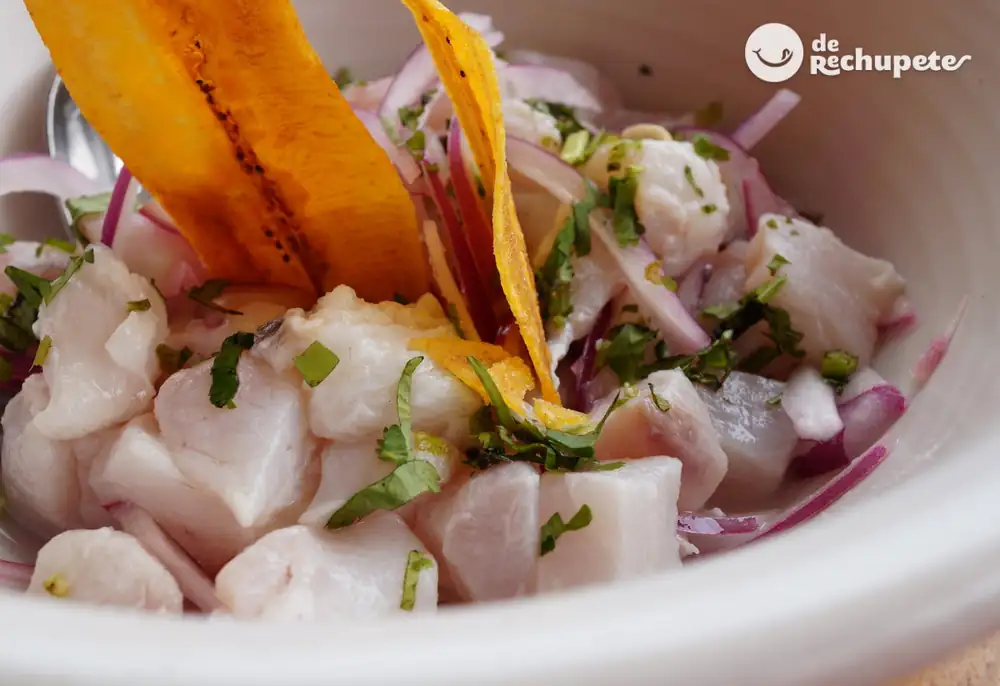
If you've ever eaten ceviche, sushi, or love the marinated anchovies typical of Spanish cuisine, you're already well aware of the advantages of this technique. This is a great time to introduce you to this recipe for classic Peruvian ceviche or sea bass ceviche.
What we're aiming for here is to soften the fibers of the food, enhance its flavor, and "cook" it without actually cooking it. For this, we need an acidic component: vinegar or lemon, for example.
Let's start from the beginning, food preservation
It all started as a technique for preserving tougher meats, such as game. The goal was primarily to soften the texture and refine the flavor, although extending its shelf life was also part of what was sought with this preparation.
And although it is composed of an oil + an acid + flavorings (condiments, alcoholic beverages, herbs…), let's see what function each of these ingredients fulfills.
The oil (in Spain we use extra virgin olive oil, but in other cultures sesame or corn oil, for example, are used) creates a film that isolates the meat from external microorganisms. Vinegar or lemon (an acidic ingredient) penetrates the fibers and softens them. If we also use wine, we'll influence the flavor of the product. However, the recommendation is to use white wine (in any of its varieties) to avoid coloring the meat. Of course, unless your intention is to change its color.
To add flavor, you can use vegetables, herbs, spices, and even berries like peppercorns. Everything will contribute to the flavor.
For marinating meats
- 1 part oil.
- 2 parts "acid" (vinegar or lemon).
- 2 parts alcoholic beverage, if you use it.
Until recently, the custom was to marinate whole cuts of meat for several days. Now, the trend is to shorten the marinating time without losing the magic of the techniques. So, simply slice your piece of meat and leave it submerged for a shorter time until you achieve the desired result.
For marinating fish
Yes, you've probably heard of pickled fish. This technique is a type of marinade. Here, the acid component is reduced, and you only add about 10% of the total oil. The fish can be raw or cooked, depending on the recipe you're making, for example, these pickled mackerel.
Pickling is very similar to marinating, but the proportion of vinegar is much higher. Here are my secrets for making the best pickles at home.
From the marinades. From the results.
But the world of marinades expands when we get to the preparation itself.
To speed up the flavor combination, cook all the ingredients, let them cool, and then submerge the meat in the marinade. This is commonly called a cooked marinade.
If you have more time, your technique will be raw marinating. To do this, mix all the ingredients for your marinade and submerge the meat. If it has a strong flavor, you'll most likely need to leave it for quite a while to allow the strong aroma to dissipate.
These marinated anchovies want to be the stars of your next gathering and are competing with these pickled sardines that are demanding your attention.
Pay attention to the pairing times
Even though the food is "cooked," you shouldn't leave it stored indefinitely. Consume it immediately to avoid food poisoning, such as from anisakis.
Maceration. How to prepare a good maceration.
If you want to flavor food, soften its texture and preserve it for longer, what you need is to make a good maceration.
The most basic macerations contain oil, lemon, liqueurs, or some other alcoholic beverage, all flavored with herbs or spices. They can be sweet or savory macerations, and the food being macerated can be raw, dried, or candied.
When do you use the maceration technique? For example, for the sun-dried tomatoes in pesto rosso.
But fruits and vegetables can also be prepared using this technique. When you soak fruit in liquor or another alcoholic beverage, add sugar, and let it sit for a while, you're marinating it. The sugar penetrates the fruit and, through a physical reaction, transforms into a flavored liquid that you can use in other dishes.
Simply macerating fruit with sugar will make a truly delicious jam! And soaking dried fruit (like rum-soaked raisins) also uses the maceration technique. Served with vanilla ice cream or added to an apple pie... they're simply divine.
Each recipe will specify the timing, but generally, once you submerge your food in the flavored liquid, you should cover it and let it marinate for a few hours, or even overnight, in the refrigerator. However, as a general guideline, never leave it for more than 24 hours.
Try it with some simple dishes like a chicken breast marinated in soy sauce, honey, and rosemary. Even if you grill it, it will turn out spectacular and different. Or before baking those chicken thighs, marinate them with a little lemon and oregano.
The meats you use for a simple vegetable stir-fry can also be marinated to give them a different flavor twist. If you're looking to reduce your salt intake, this technique is fantastic for achieving a super-tasty result without needing to add salt.
Marinating. How to prepare a practical and easy marinade
According to the Royal Spanish Academy (RAE), adobo is a broth or sauce used to season food. Its third definition refers to "Broth, and especially the mixture of vinegar, salt, oregano, garlic, and paprika, used to season and preserve meats and other foods."
Originally, marinades were made with vinegar and paprika, and along with pickling, they were the most common techniques for preserving food. Although the classic Spanish recipe uses extra virgin olive oil, paprika, and garlic, and is typically used for both red and white meats, don't forget about cured pork loin (lomo embuchado), which is also coated in paprika. This spice enhances the flavor of the meat, gives it a striking reddish color, and prevents bacterial growth.
Marinating also helps tenderize tough meats. Remember that the oil forms a protective film that helps the juices stay inside during cooking.
Marinate meats
Once you have all the ingredients for your marinade mixed, you can paint the piece or steak of meat with a brush.
The result is meat that's less tough and full of flavor. Like these cochinita pibil tacos or tacos al pastor. But my homeland is already calling me back, telling me not to forget this Galician-style pork loin.
Marinate fish
You've probably heard of marinated dogfish or bienmesabe. But you should know that sea bass, pangasius, or hake are spectacular when marinated.
Let's put these techniques into practice right now!