Fried sardines, the summer fish that doesn't wait in the kitchen
Para 4 2.1 €/pers. 270 kcal/100g.
- 1 kg of medium-sized fresh sardines, about 20-24 units
- 100g of wheat flour
- 50g of chickpea flour
- Salt to taste
- Mild olive oil or sunflower oil for frying
- 1 lemon (optional)
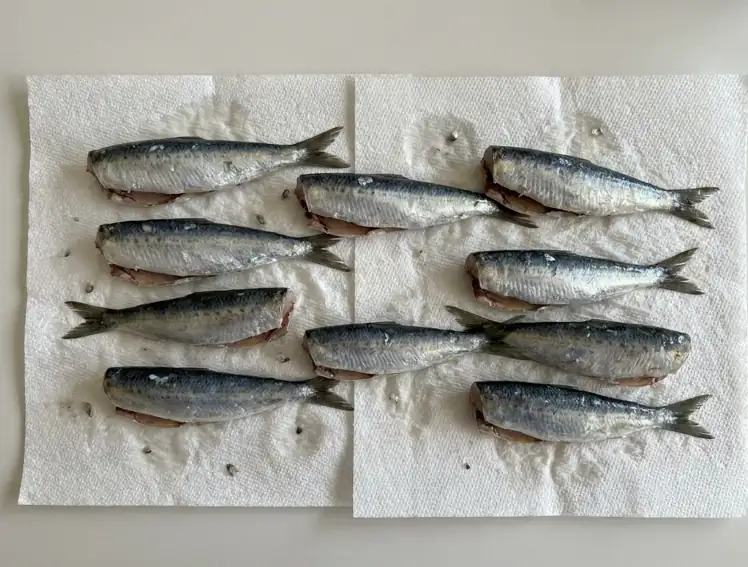
- We check the sardines and clean them if they aren't already prepared. We gently remove the scales, take off the heads, and remove the guts. If we prefer, we can leave the central bone in, as it helps the sardine keep its shape better while frying.
- We rinse the sardines very quickly under a stream of cold water and dry them thoroughly with paper towels. This step is more important than it seems: if any moisture remains, the flour will clump together and the fried fish will lose that crispy texture.
- We salt the sardines inside and out. Don't overdo it, as they are quite flavorful. In a bowl, mix the wheat flour with the chickpea flour or with special frying flour.
- We coat the sardines in flour, making sure they are completely covered. Then we shake them off one by one to remove the excess. The coating should be thin; shaking off the excess flour is essential if we don't want them to over-brown. If we leave too much flour, it will mask the flavor of the fish.
- Heat plenty of oil in a large frying pan. Ideally, it should be around 175-180ºC. If you don't have a thermometer, add a pinch of flour: it should bubble immediately, but not burn in seconds.
- We fry the sardines in batches, without overcrowding them. We leave them for between 1.5 and 2 minutes per side, depending on their size, until golden brown. If we put too many in at once, the oil temperature drops and they end up absorbing too much fat.
- We remove them to a plate lined with paper towels or, even better, to a wire rack with paper towels underneath. We don't cover them. We serve them immediately, with lemon wedges on the side for anyone who wants to add a few drops at the end.
- Buy sardines that smell of the clean sea, not strong fish. In this recipe, the freshness of the sardines really shines through because there's no sauce or marinade to mask anything.
- Dry them well before coating them in flour. Moisture is the quickest way to a soggy fry.
- Don't make a thick coating of flour. A thin layer is enough to protect the sardine and give it texture.
- If you use chickpea flour, mix it with wheat flour. On its own, it might be too crispy for those looking for a more classic fried result.
- Fry in small batches. The oil temperature is what separates crispy sardines from greasy ones.
- Lemon is best added at the table. If you add it before serving, it softens the fried food and dulls some of the flavor.
- Don't cover them after frying. The steam will stay inside and soften the skin in just a few minutes.
- If there are any leftovers, they can be used cold in a salad, in a sandwich or with a tomato and onion dressing, but the best version is freshly made.
When sardines arrive home from the fishmonger, it's best not to over-prepare them. They should either be cooked that day or they lose some of their appeal. For these fried sardines, we aim for a short frying time, with the fish cleaned, just enough flour, and the oil nice and hot, with no unnecessary embellishments.
They're not breaded, they don't contain egg, and there's no need to prepare a marinade beforehand. The idea is for the sardines to be golden brown on the outside and juicy on the inside, with a thin layer of flour that protects the skin and creates a crispy coating. They turn out well using only wheat flour, but a touch of chickpea flour helps a lot, resulting in a drier and lighter fry.
And if you want to continue cooking fish without complicating things, don't miss our selection of the best easy and quick fish recipes, with ideas for every day and for all tastes.
Freshness is key here. We're looking for medium-sized sardines with shiny skin, a clean smell, and firm flesh. Larger ones will do, but they'll need a bit more time in the pan. If they're small, be careful not to overcook them: in such a quick fry, half a minute can make a big difference.
To continue with oily fish and tapas recipes, on the blog you can then turn to oven-baked sardines without strong odors, marinated anchovies, or a calamari sandwich. They don't use the same techniques, but they all fall into that category of simple, casual, summery, bar-style cooking.