Open Vineyards: Widespread wine tourism returns, combining sport, nature, and wine culture
From March to October, the Italian wine tourism calendar expands with Vigneti Aperti (Open Vineyards), an initiative promoted by the Movimento Turismo del Vino (Wine Tourism Movement) that involves member wineries from North to South.
What is Open Vineyards?
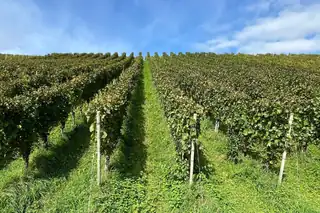
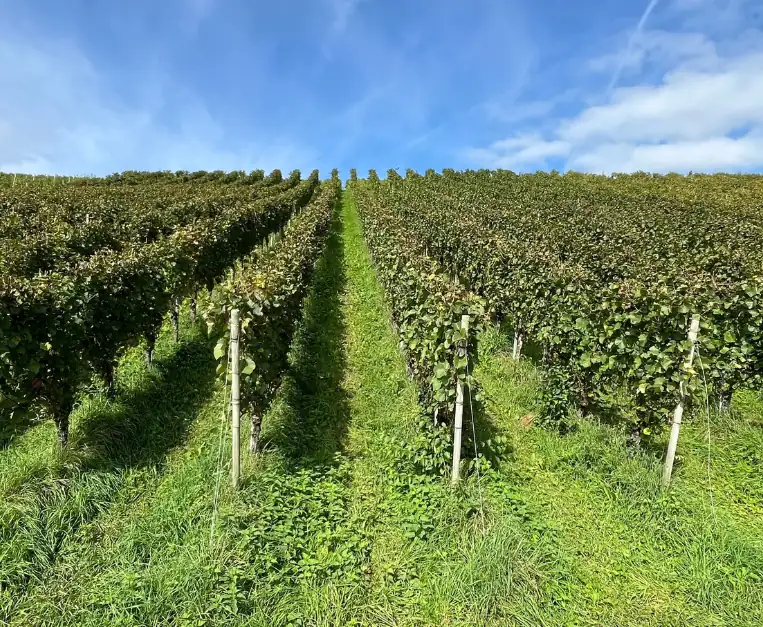
The format fits into a context where wine tourism is no longer just about tasting, but about sharing the story of the region and engaging. By following the stages of pruning, flowering, veraison, and harvest, you can observe the work in the vineyard up close and understand how a wine is created before it even enters the cellar. The agricultural dimension thus returns central to the narrative of the winemaking enterprise.
The activities offered range from walks among the vines to bike and horseback excursions, to initiatives aimed at families and young people, with workshops and outdoor educational sessions. The approach aims to integrate exercise, a rural setting, and product knowledge, while maintaining a focus on moderate and informed consumption.
Italian wine tourism exhibits marked regional differences. In Southern Italy, the experience is more frequently associated with entertainment and the promotion of traditional products; in Central Italy, the landscape becomes a key element; in the North, businesses demonstrate greater organizational flexibility. Vigneti Aperti fits into this heterogeneity, offering a common framework that leaves room for local specificities.
A key aspect concerns the involvement of younger generations. Demand from the so-called Gen Z, according to several experiential tourism observers, is oriented toward participatory and sustainable activities, in which learning occurs through direct contact with the places and producers. In this context, the extended opening of the vineyards from spring to autumn allows for the creation of an ongoing narrative, transcending the occasional event and fostering a more stable relationship between the winery and its visitors.
A focus on sustainability is an integral part of the project. The participating wineries emphasize agricultural practices geared toward protecting the soil and landscape, placing the visit within a context of environmental responsibility. For those who participate, the experience becomes an opportunity to understand how vineyard decisions impact the final quality of the wine and the balance of the ecosystem.