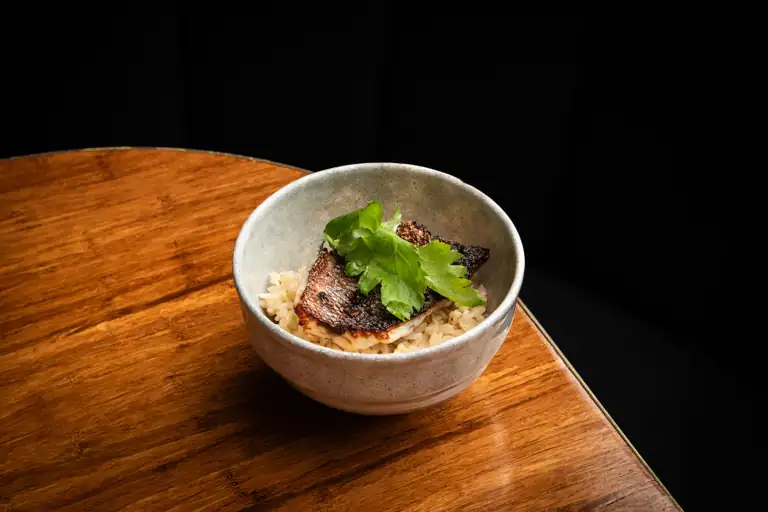
Yuzu Sake-Shio Sea Bass Rice Recipe
medium
Ingredients
- 1l filtered water, or soft mineral water
- 40g of dried kombu
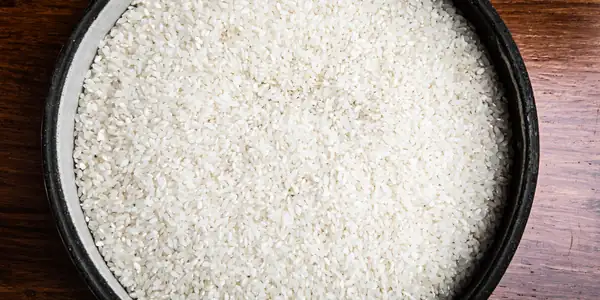
- 750g of Japanese short grain rice, Masaki uses the Niji no Kirameki variety
- 40g of bonito flakes
- 25g of Japanese soy sauce (shoyu)
- 20g of mirin
- 20g of sake
- 10g of sea salt
- 3 sea bass heads, (you could also use some carcasses with a little meat left on)
- 15g of ginger, finely julienned
- 50g of mitsuba leaves, or chives, finely chopped, plus some extra leaves to garnish
- 450g of water
- 450g of sake
- 20g green yuzu kosho
- 18g of sea salt
- 30g of dried kombu
- 5 sea bass fillets, halved, or 10 whole smaller fillets
Method · 1 h 40 min
- 2 days before you plan to serve, prepare the brine for the fish. In a non-reactive container, combine the water, sake, yuzu kosho and sea salt. Mix until the salt and yuzu kosho are fully dissolved. Add the kombu (don’t cut it as this can create a slimy texture), ensuring it is completely submerged, then cover and leave to infuse overnight
- The next day, weigh the sea bass fillets and put them in a large container. Remove the kombu from the brine, then add the same weight of the brine to the container, ensuring the fillets are fully submerged. Cover and leave in the fridge for 24 hours
- On that same day, prepare the dashi stock for the rice. Put the water and kombu (don’t cut it as this can create a slimy texture) in a non-reactive container. Cover and refrigerate overnight
- On the day you plan to serve, prepare the rice. Add it to a bowl, then add water directly from the tap and immediately start mixing the rice vigorously with your hand in a circular motion
- As soon as the water covers the rice, place your hand at the bottom of the bowl and gently wave to loosen the grains. Quickly pour off the cloudy water
- Repeat this process 2-3 more times, until the water becomes noticeably lighter. Drain off as much water as possible, then level the surface of the rice
- Put your right hand into the rice at 12 o’clock and move toward 10 o’clock, gathering the grains. At the 10 o’clock position, turn your hand over and use your palm to push the rice diagonally back towards 12 o’clock, lightly rubbing the grains together
- Rotate the bowl slightly clockwise with your left hand to bring some unwashed rice into position. Repeat the 12 o’clock to 10 o’clock and back to 12 o’clock process again, then turn the bowl slightly and repeat. Continue to do this until you have completed a full circle
- Cup your hand and gently mix the entire batch of rice to ensure even washing. Add fresh water and rinse away the rice bran. Repeat this until the water is no longer yellowish
- Transfer the rice to a colander, slightly angled to allow for more efficient drainage, then leave to drain for 10-15 minutes
- Meanwhile, transfer the kombu and infused water to a pan and heat to 70°C over a medium heat. Remove the kombu (and save it for later), then continue to heat to 85°C. Remove the water from the heat, add the bonito flakes, leave to infuse for 2 minutes, then strain the liquid into a bowl or jug through a fine sieve lined with muslin
- Season the dashi with the soy, mirin, sake and salt. Chill as quickly as possible, then transfer 780g of the dashi stock to your cooking vessel – ideally a donabe pot, but a thick, heavy saucepan or cast-iron casserole will work too
- Very carefully add the drained rice to the dashi, then set aside to soak for 30 minutes
- Meanwhile, season the sea bass heads with salt and grill over charcoal until golden. You can do this in a griddle pan over a medium-high heat too. Set aside
- Rinse the finely julienned ginger a few times in cold water to mellow its spiciness, then drain well
- Put the ginger, the reserved kombu from making the dashi and the grilled sea bass heads on top of the soaked rice. Cover and cook over a medium-low heat for 10 minutes
- Increase the heat to high and cook until the liquid reaches a boil and steam begins to escape, then reduce the heat to low and very gently simmer for 10 minutes
- Increase the heat to high for 10-15 seconds, then torn off the heat and allow the rice to steam, covered, for 10 minutes
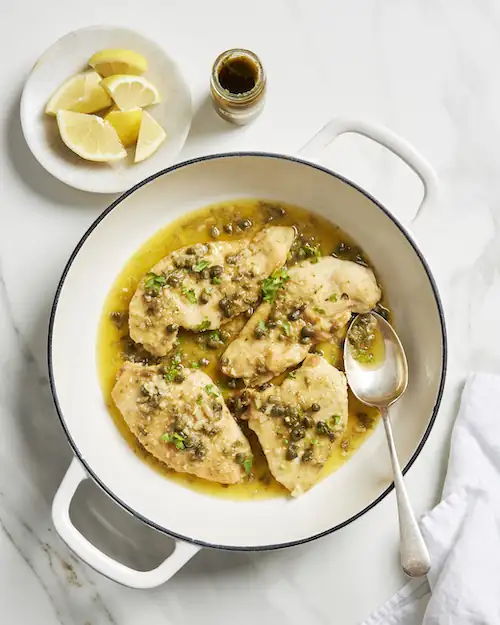
- While the rice rests, remove the sea bass fillets from the brine and pat dry. Thread onto skewers and cook over charcoal until opaque and the skin is crisp, or in a griddle pan
- Gently remove the sea bass heads and kombu from the rice, then add the mitsuba leaves or chives. Use a rice paddle to gently fold the ginger and mitsuba into the rice
- Divide the rice between serving bowls and top with a piece of sea bass. Garnish with a mitsuba leaf
1 hour 40 minutes plus infusing and brining over 2 days
Japanese rice often makes us think immediately of sushi, but it of course has so much to offer. This recipe is based on a traditional Japanese rice dish called tai meshi, but features sea bass instead of the usual bream. The sea bass on top is cured in a brine of sake, dashi and yuzu kosho, lending an incredible flavour to the fillets.
Don’t be put off by the number of steps – many of them go into detail about how to wash and cook the rice to really bring out its texture and flavour.