Top 7 Traditional Rwandan Foods
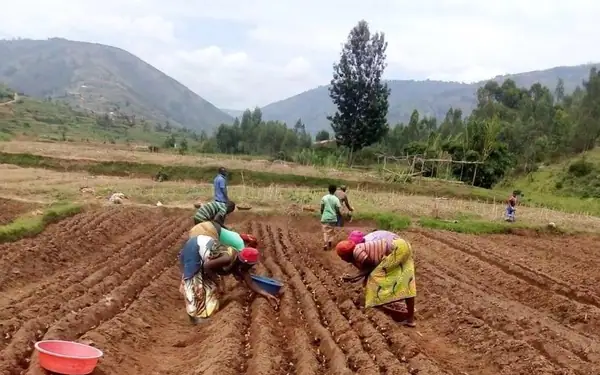
Rwanda is widely known for its wildlife and breathtaking scenery, earning it the nickname “ The Land of a thousand hills ”. And its cuisine is something you definitely should try when you decide to visit the country. These cereals are used to prepare one of the most common main dishes in traditional Rwandan society: Um…
The unique, balanced flavor of the sorghum dough makes it a great accompaniment for a variety of stews, meat and red bean, and soups. When cassava was introduced in Rwanda, cassava root flour became more and more popular as an alternative to sorghum for preparing Umutsima.
It is a process that last weeks from harvesting the cassava roots to drying and then grinding. Either way, both sorghum and cassava roots produce a unique dough of balanced savor that makes it perfect for serving with stews and soups. 6. Though, very tasty on its own, Rwandan cooks often add red beans, which add to the flavor of the squash by lacing it with the taste of beans.
Once the beans are half cooked (when the water in the pot begins to turn red), the pieces of squash are placed on top of the beans with the peel side facing upward, away from the beans. Usually, the squash is served separately but some prefer to serve it together with the beans. 5.
Very popular with older people, as much for its numerous health benefits as for its unique taste, Isogi is a delicious vegetable that was very widespread in traditional Rwandan society. There are different ways of preparing Isogi but one of the most popular is to fry it with butter.
Going to Salt, tomatoes, and onions are, and then you let the meal cook on a low heat. This uniquely delicious meal is then served with Umutsima, rice, or potatoes. 3. Leeks, onions, garlic, and bell peppers are added and ground together with the cassava leaves to harmonize the flavors.
Once the green paste is ready, it is boiled in water on high heat for around two hours, then salt is added together with palm oil, tomatoes, and peanut flour. Isombe is best served with umutsima, but it is also very tasty when served with rice, ugali, and boiled potatoes. 2. Red beans are among the most cultivated crops in Rwanda, and have been for the past two centuries.
Even to this day, red beans are found on the daily plate of most Rwandan families. The peeled red beans are then boiled in water on high heat for 1 to 2 hours and then small slices of tomatoes and bell peppers and salt are added.
You put butter in a pan on low heat, add the cooked beans, and mix with a spatula until the stew is well blended. Igihembe goes perfectly with Umutsima, but it as well blends well with rice or boiled potatoes. 1.
7. Umutsima (Sorghum/Cassava Root Dough)
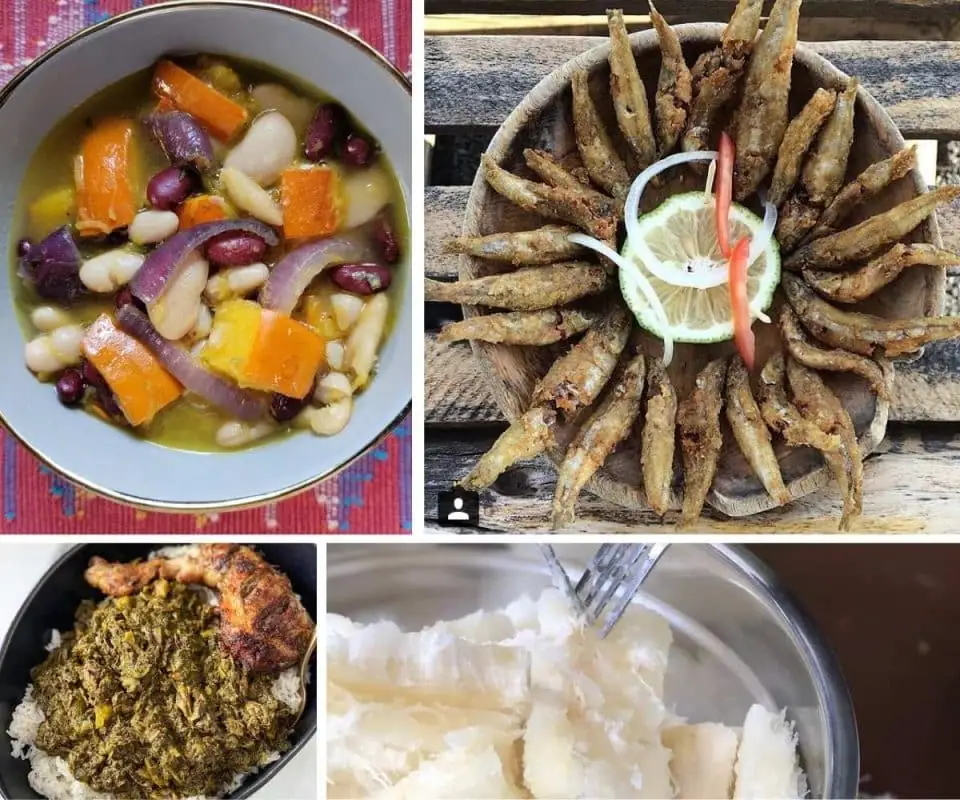
Most farmlands in Rwanda grow a wide range of cereals, including sorghum and maize. These cereals are used to prepare one of the most common main dishes in traditional Rwandan society: Umutsima. In the past, sorghum was the most cultivated cereal plant, and the term ‘Umutsima’ referred solely to sorghum dough. Sorghum was harvested, dried, and then ground to make sorghum flour. The grinding took a while as it was done by hand on a well-polished grinding stone. After grinding, it’s time to start cookery! Boil water and then add the flour. It cooks, stirring with a wooden spatula, until the flour is evenly cooked (no salt is added). The unique, balanced flavor of the sorghum dough makes it a great accompaniment for a variety of stews, meat and red bean, and soups. When cassava was introduced in Rwanda, cassava root flour became more and more popular as an alternative to sorghum for pr
6. Igihaza (Boiled Squash)
Squash grows in the yard of most Rwandan homes. This natural wonder is appreciated for its nutritional value and unique taste. In fact, you will find it in the most prestigious buffets at events or in hotels wherever you go in Rwanda. Although, very tasty on its own, Rwandan cooks often add red beans, which add to the flavor of the squash by lacing it with the taste of beans. Squash and red beans make a truly delicious combination. This signature Rwandan dish is amazingly simple to prepare. Freshly harvested squash is washed and cut into small, triangular-shaped pieces and then the seeds are removed by hand. The peel must not be removed. The red beans are then boiled on high heat with a bit of rock salt. Once the beans are half cooked (when the water in the pot begins to turn red), the pieces of squash are placed on top of the beans with the peel side facing upward, away from the beans.
5. Amateke (Taro)
Just like squash, taro as well grows in close to every backyard of traditional Rwandan homes. Taro is not only highly rich in dietary fiber, but it is also very appetizing. It is easy to prepare: simply peel it, wash it, and boil it. That’s it! Once cooked, taro can be used in various dishes. It can be mashed to create a creamy side dish, sliced and added to stews, or even turned into chips for a crispy snack. Taro is highly sought after for its powdery texture and its amazing taste.
4. Isogi (Sour Vegetables)
Food becomes a true delight when it appeals to every sense of taste! Isogi is a vegetable that activates the sour. Very popular with older people, as much for its numerous health benefits as for its unique taste, Isogi is a delicious vegetable that was very widespread in traditional Rwandan society. Unfortunately, it has become rarer as more foreign foods and plantings have been introduced in Rwanda. There are different ways of preparing Isogi but one of the most popular is to fry it with butter. The leaves are plucked from the stem and washed. A small amount of butter is added to the pan on a low heat. Once the butter has melted, the leaves are added and mixed with a wooden spatula. Salt, tomatoes, and onions are added and then you let the meal cook on a low heat. Once cooked, pre-cooked red beans are added. This uniquely delicious meal is then served with Umutsima, rice, or potatoes.
3. Isombe (Cassava Leaf Stew)
Isombe is a true delicacy and remains one of the most popular Rwandan dishes. Its distinct smooth texture and its unique greenish color make it mouth-watering at first glance, making its delicious salty taste even better. It is delicately prepared and features a wide variety of seasonings. The preparation of Isombe starts with the harvest of young cassava leaves. They are carefully plucked from the stems and then ground to make a bright green paste. Leeks, onions, garlic, and bell peppers are added and ground together with the cassava leaves to harmonize the flavors. Once the green paste is ready, it is boiled in water on high heat for around two hours, then salt is added together with palm oil, tomatoes, and peanut flour. Some people like to add meat chops when the cassava paste begins to boil. Isombe is best served with umutsima, but it is also very tasty when served with rice, ugali,
2. Igihembe (Red Bean Stew)
This list would not be complete without including Igihembe, a traditional stew prepared from peeled red beans. Red beans are among the most cultivated crops in Rwanda, and have been for the past two centuries. Even to this day, red beans are found on the daily plate of most Rwandan families. One method for red beans, that said, stands out as a real treat because of its incredible taste: Igihembe. The preparation of this exceptional dish starts with peeling. The red beans are soaked in cold water overnight to separate the peel from the flesh. In the morning, the beans are removed from the water, the peels are removed by hand. The peeled red beans are then boiled in water on high heat for 1 to 2 hours and then small slices of tomatoes and bell peppers and salt are added. Once the tomatoes and bell peppers are well cooked, it’s time to fry. You put butter in a pan on low heat, add the cooked
1. Isambaza (Haplochromis fish)
At the top of this list is Isambaza, one of the most widely farmed fish species in Lake Kivu (a large freshwater lake located in East Africa). Isambaza has been the signature dish of Western Rwanda for generations. These are very small fish, no more than ten centimeters in length. They are served as a starter or as a snack when fried and seasoned with salt. Alternatively, the fried fish can be used in a soup by adding carrots, onions, bell peppers, tomatoes, and spices. Isambaza soup is very delicious and it goes perfectly with Umutsima. Isambaza is one of those dishes you simply must not miss if you travel to Rwanda, especially when visiting the shores of Lake Kivu. Related: Most Popular East African Foods Related: Most Popular Foods in Tanzania Related: Most Popular Foods in Uganda Related: Most Popular Foods in Kenya