Neapolitan fried pizza or Apulian panzerotto? All the differences
There are two typical Southern Italian dishes that are so remarkably similar, so much so that they can deceive even the most attentive enthusiasts: Neapolitan fried pizza and Apulian panzerotto.
The differences between fried pizza and panzerotto
In the South, the distinction is clear and well-established. Outside of regional contexts, however, the two terms are often used synonymously, generating confusion. In reality, the differences concern the geographical origin, the dough composition, the type of filling, and even the final shape of the product.
The first separation is cultural and territorial. Fried pizza originated in Naples and has been an integral part of the city's popular cuisine, especially after World War II, when it offered a cheaper and more nutritious alternative to oven-baked pizza. Panzerotto, on the other hand, is a typical product of Puglia, widespread throughout the region with numerous local variations, from Bari to Salento.
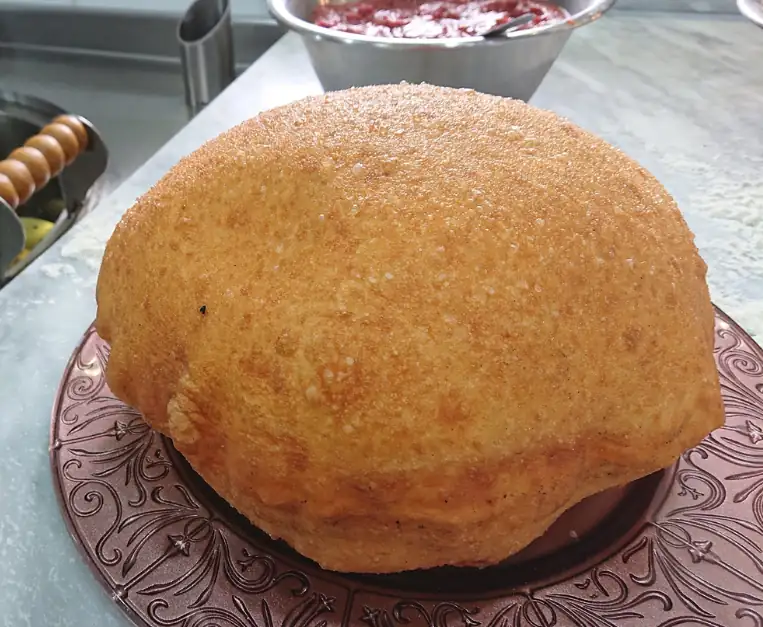
Even the dough is substantially different. Fried pizza uses the same dough as traditional pizza, made with flour, water, salt, and yeast. The proportions may vary depending on the pizza maker's style, but the structure remains that of a direct, elastic dough, suitable for traditional leavening. In recent years, there has been a trend toward increased hydration, but the ingredients remain essentially the same.
Panzerotto, on the other hand, starts with a similar base, but is often enriched with a fatty component, such as lard or oil, which changes the final texture, making it more crumbly and crispy. Many home-made recipes also include eggs, milk, or potatoes, which make the dough richer and less standardized. Variations are numerous and vary not only from province to province, but often from family to family, making it difficult to pinpoint a single formula.
The filling is perhaps the most recognizable difference. Neapolitan fried pizza has a traditionally codified filling: ricotta, pork cracklings, and black pepper. Some versions also include tomato, but the original structure remains tied to humble ingredients that are deeply rooted in Neapolitan cuisine.
The Apulian panzerotto, on the other hand, originated as a simpler dish, with a basic filling of tomato and mozzarella. In some areas, ricotta is added, but the primary combination remains dairy and milk. Over time, this recipe has expanded, with fillings including cured meats, vegetables, various cheeses, and even meat or fish.
In terms of shape, fried pizza is traditionally round, similar to a classic pizza, folded and sealed before frying. The panzerotto, on the other hand, is exclusively crescent-shaped, created by folding a disc of dough over itself. However, there is a point of contact between the two traditions: in Naples, after World War II, the historic pizza chef Anna Manfredi, known as "Masardona," introduced the so-called battilocchio, a smaller, folded fried pizza similar in shape to a panzerotto, but with Neapolitan dough and filling. Today, the pizzeria opened by "Masardona," which still bears her name and is run by her heirs, is one of the best in the Campania capital.
Further complicating the picture is the calzone, often cited as the third member of the family. In this case, the distinction is simpler: the calzone is, in fact, a panzerotto or a fried pizza baked in the oven. It's traditionally found in both Campania and Puglia and retains its closed shape, but eliminates the frying process. In Neapolitan pizzerias, the calzone is filled with ricotta, mozzarella, salami, and pecorino cheese, sometimes with tomato sauce. There are also versions that incorporate the classic fried pizza filling with cracklings and ricotta.