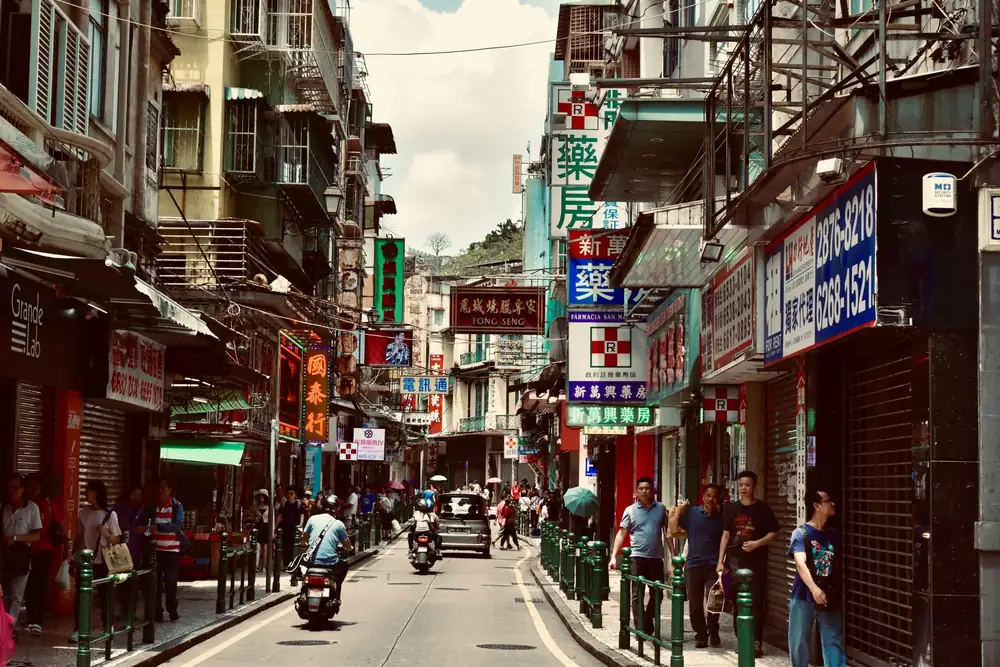
The world's first fusion cuisine
History of Macau
Macau's history is closely intertwined with Portugal's maritime exploration. Portuguese traders arrived in China in the 1500s, and in 1557 they reached an agreement with the Chinese authorities to use Macau as a trading post in exchange for taxes. The city soon became an important port for the maritime spice and silk trade from southern China to Europe.
It officially came under Portuguese rule in 1887. It remained under Portuguese control for over 400 years, until it was returned to China as a special administrative region in 1999. Today, Macau is one of the casino capitals of the world, where Chinese and European cultures are uniquely intertwined. It is also called the Monte Carlo of the East.
The meeting of two very different cultures has given birth to a country with a very special gastronomy.
Culinary traditions and roots
Macanese cuisine is often mistakenly considered to be just a side branch of Cantonese cuisine. Developed over more than four centuries of Portuguese presence, Macanese cuisine is a living testament to both the Portuguese's seafaring explorations and the generations-long culinary traditions of the vibrant Macanese community.
The story traces its roots back to the early 1400s, when Portugal embarked on a major global expansion driven by trade and the search for spices. From the 1500s, Portuguese trading posts were established in various parts of Asia, including Goa and Malacca, before turning their attention to China. In 1557, they captured Macau, which remained under Portuguese rule for 442 years. As a settler colony, the Portuguese often intermarried with the locals, creating a distinct ethnic identity and culinary tradition – similar to the Peranakan community in Malacca.
The Peranakan community is one of the most distinctive ethnic groups in Southeast Asia, formed from the mixing of Chinese immigrants who arrived in the 15th to 17th centuries and the local Malay, Indonesian, and Thai populations. The largest Peranakan communities are found in Malaysia, Singapore, Indonesia, and Thailand, but smaller groups also live in Macau and other Asian cities. Peranakan gastronomy – also known as Nyonya cuisine – is one of their best-known heritages, characterized by rich seasoning, coconut milk, tamarind, and exotic herbs. Famous dishes include Ayam Buah Keluak (spicy chicken with walnuts), Laksa (spicy noodle soup), and Kuih (colorful desserts).
The culinary identity of Macanese cuisine
Macanese cuisine is characterized by a rich blend of ingredients, reflecting Portugal’s extensive maritime connections. A traditional Macanese pantry is like a captain’s logbook, recording the treasures collected by explorers on their trading voyages: Mediterranean bay leaves, Indonesian coconut milk, Indian turmeric and tamarind, and South American chili peppers, tomatoes and potatoes. These ingredients – not found in traditional Cantonese cuisine – have been masterfully combined with Cantonese cooking techniques thanks to local creativity. The resulting fusion cuisine is more similar to Peranakan dishes than classic Cantonese dishes, creating a unique culinary identity.
Portuguese maritime heritage on a plate
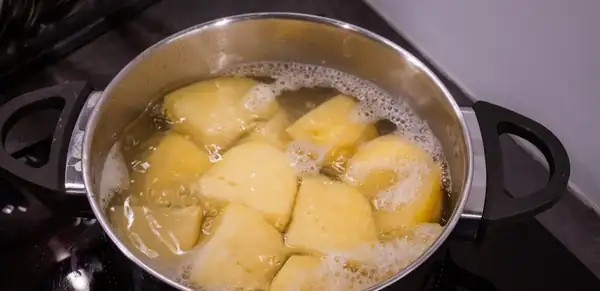
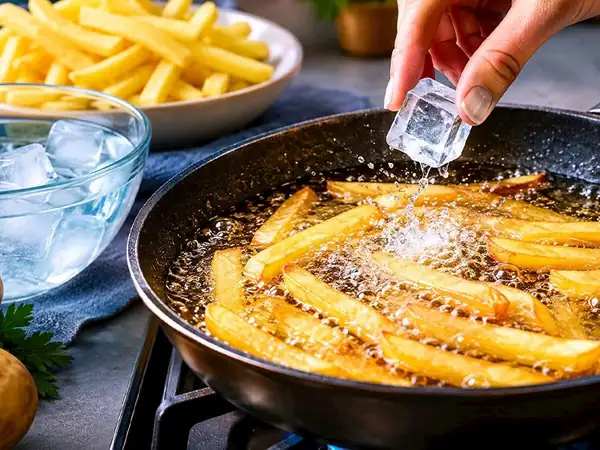
At the heart of Portugal’s maritime history were sailors, who played a key role in bringing Portuguese ingredients and cooking techniques to Macau. Ingredients had to be carefully selected to maintain their freshness during long and arduous sea voyages. One of the most prominent of these ingredients was bacalhau, dried and salted cod, which remained rich in nutrients and retained its flavour even during long voyages. In Macau, bacalhau became popular in the form of Pastéis de Bacalhau, or oval-shaped fish cakes. The dried fish is carefully soaked in a mixture of water and milk, then mixed with potatoes, eggs, parsley and onions, before being fried in hot oil until golden brown.
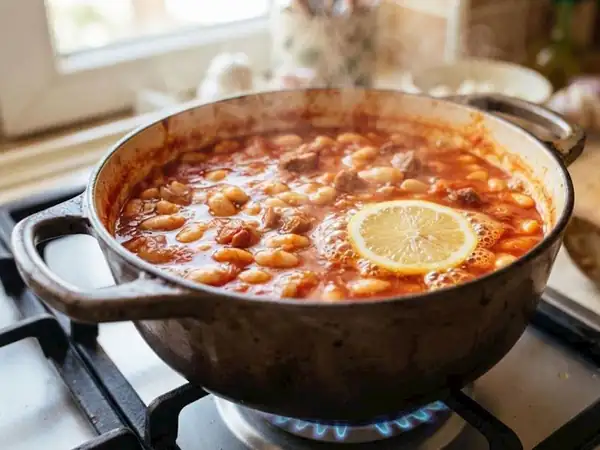
Another Portuguese staple that has survived the long sea voyages is chouriço. This pork sausage is similar to Spanish chorizo, but with less paprika and a smokier flavor. Macanese cuisine masterfully combines Portuguese chouriço and Chinese lap cheong sausage in dishes like Tacho, a local version of Portuguese cozido à portuguesa. Tacho is a fusion of northern Portuguese cozido (cooked meat) and enchido (sausage), complemented by dried meats from southern China, local vegetables, and the distinctive Macanese balichão sauce (more on this later). This dish is a perfect example of how the culinary worlds of East and West meet and merge.
Contrary to its name, 'African Chicken' (Galinha à Africana) is actually a dish of Macanese origin. Legend has it that it was created in the 1940s by Américo Angelo, the chef at the Pousada de Macau hotel, who drew inspiration from the flavors of the Portuguese colony of Mozambique. The dish is based on a spicy marinade containing chilies, onions, garlic and red peppers. The chicken is then coated in a lemon-butter-coconut sauce, enriched with crushed peanuts, and then grilled.
This dish combines culinary influences from across the Portuguese empire. Indian spices give it a slightly curry-like flavor, while desiccated coconut and coconut cream from Malaysia and Indonesia add a special aroma. Bay leaves and dried rosemary refer to Portuguese culinary traditions, while the Chinese influence is represented by the presence of five-spice powder. The whole is topped off with chili peppers from the Americas. The modern Macanese version is sweeter and less spicy, to better suit Cantonese tastes.
Classic Portuguese Chicken and Macanese Cuisine Inventions
Interestingly, the classic Portuguese chicken is missing from menus in Portugal. In Macau, however, this native dish appears in the form of a mildly spicy curry chicken, complemented by onions, potatoes, chouriço and black olives. The generous use of dried bay leaves hints at the dish’s Portuguese roots. The coconut, introduced by the Portuguese in the 1600s, plays a dual role: the coconut milk enriches the curry, while the coconut flakes are added to the dish before frying. It is important to note that in Macau cuisine, coconut milk has replaced traditional dairy products over time, a significant departure from classic Cantonese cooking traditions.
Innovations in Macau cuisine
While global spices and ingredients play a prominent role, Macau’s gastronomy also boasts a number of unique local creations. A staple of Macau cuisine is balichão, a salty crab paste that shares similarities with the Malaysian belachan sauce. Balichão is made with dried crab, salt, lemon peel, black pepper and dried chili peppers, but its speciality is its dilution with whiskey, which distinguishes it from the thicker Hong Kong version. This signature sauce adds depth to dishes like Porco Balichão Tamarindo, which was inspired by the Portuguese carne de vinha d’alhos (wine and garlic meat). In this dish, pork is given a new dimension with the sweet and sour notes of tamarind and the umami richness of balichão. Similarly, other variations of carne de vinha d'alhos are popular in Singapore and the Philippines, with their roots dating back to Goa, as the ingredients and preparation method are very similar to the Indian vindaloo.
Another iconic Macanese dish is Minchi, a delicious stir-fried minced meat dish made from a mixture of pork and beef. The name of the dish is believed to be of English origin (it may come from the word “minced” = minced), borrowed from Macau’s British-ruled neighbor, Hong Kong. However, some sources say that Minchi also has its origins in another Portuguese colony, Goa. Either way, the ingredients perfectly reflect the dish’s diverse heritage: while some versions include Worcestershire sauce or bay leaves, the basic ingredients are soy sauce, potatoes, minced pork and beef, and topped with a fried egg. Every family boasts its own unique recipe, reflecting their personal history and tastes.
The king of the streets of Macau: the pastel de nata.
Arguably one of the most iconic street food items in Macau is pastel de nata. Surprisingly, the traditional Portuguese pastel de nata cake only arrived in Macau towards the end of colonial rule, courtesy of a British baker. The Macanese version, which is creamier and silkier than the Portuguese original, is credited to English baker Andrew Stow, who created the recipe in 1989. Stow, in order to adapt the cake to Cantonese tastes, also introduced his own English culinary flair – resulting in the “Portuguese” cake that is now synonymous with Macau.
His original bakery, Lord Stow's Bakery, still operates on Coloane Island and is still one of the best places to try authentic Macau pastel de nata. For a more luxurious experience, head to the three-MICHELIN-starred The Eight restaurant at the Grand Lisboa Hotel, where they serve Macau milk tea and Portuguese pastel de nata after your meal.