Nations on the table
Historical background
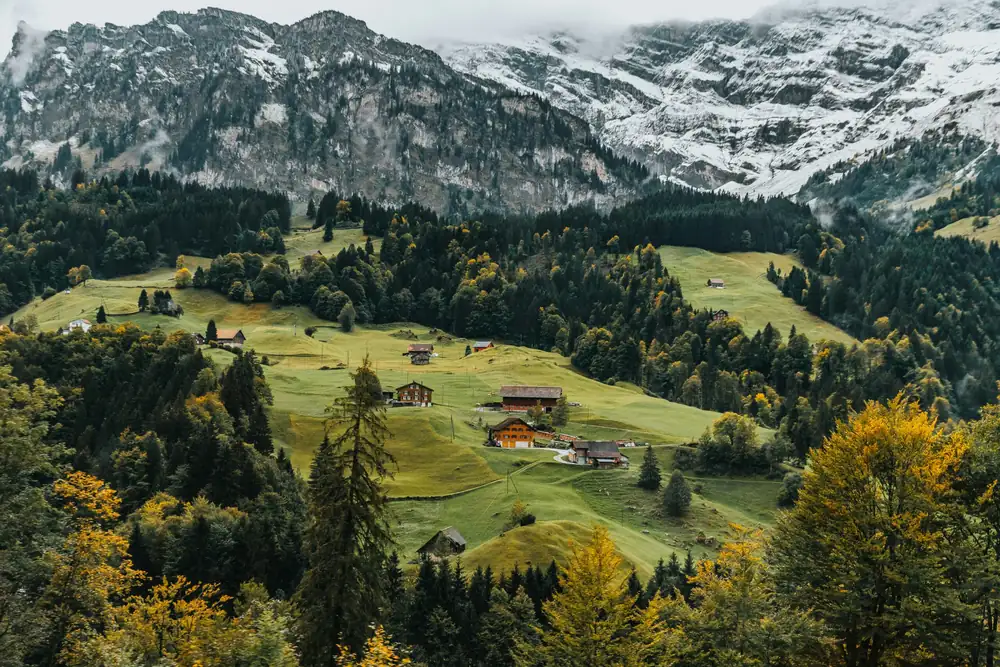
The foundations of Swiss gastronomy were laid in the Middle Ages, when the harsh mountain conditions made preserved foods such as cheese, dried meat, and bread a central part of the diet. The autonomy of the various cantons and their commercial isolation have helped each region to preserve its own unique flavors and techniques. One of the strengths of Swiss cuisine lies in this: each canton has its own “culinary dialect.”
In the 19th century, thanks to the construction of railways and the growth of tourism, Swiss gastronomy also opened up to the outside world. The famous Grand Hotels and Alpine hotels took hospitality to a new level, and local ingredients reached gourmet status.
Raw materials – the treasures of the mountains and valleys.
One of the mainstays of Swiss cuisine is high-quality, local ingredients. Dairy products, especially cheese, are of paramount importance. Switzerland produces over 450 types of cheese – the best known include Gruyère, Emmentaler and Appenzeller. The grassy flavors of the mountain pastures are literally reflected in these cheeses.
In addition to milk, meats – especially beef, pork and game – are also important in Swiss cuisine. Bündnerfleisch (dried beef) or various smoked sausages are examples of traditional Swiss cold cuts. Bread – such as Zopf, a braided bread – and potatoes (especially in the mountain regions) are also key foods.
Of course, chocolate cannot be left out: Swiss chocolate is known worldwide for its excellent quality. Names like Lindt, Toblerone, or Cailler are now not just brands, but synonymous with Swiss quality.
Iconic Swiss dishes
Fondue – The most famous Swiss dish is undoubtedly cheese fondue. A melted mixture of cheeses (often Gruyère and Vacherin Fribourgeois) seasoned with white wine and garlic, into which pieces of bread are dipped. It is especially popular in winter and is served as a communal meal.
Raclette – Another iconic cheese dish where a block of cheese cut in half is melted and then the hot, soft cheese is drizzled over boiled potatoes, pickles and onions.
Rösti – Originally a breakfast dish for German-speaking peasants, it has now become the national dish of all of Switzerland. A golden brown pancake made from grated potatoes, often topped with fried eggs, bacon or cheese.
Älplermagronen – Swiss "alpine macaroni": a hearty one-dish meal made from pasta, potatoes, cheese and cream, often served with stewed onions and applesauce.
Zürcher Geschnetzeltes – Finely sliced veal with a mushroom and cream sauce, often served with dumplings or rösti. The culinary pride of the canton of Zurich.
Basler Läckerli – A honey-spiced, almond cake that is a popular dessert during the Christmas season, but is available all year round.
Regional cuisines – one country, three worlds.
German Switzerland is known for its more robust, hearty dishes. Meats, cheese dishes, sausages, and potato dishes dominate here. French Switzerland reflects the influences of French haute cuisine: it is characterized by sophisticated sauces, game meats, and dishes made with wine. Fondue and raclette also originate from here. Italian Switzerland brings Mediterranean influences to the Swiss palette: polenta, risotto, seafood, as well as olive oil and herbs appear here.
Contemporary Swiss gastronomy
Modern Swiss gastronomy balances tradition and innovation. The country boasts several Michelin-starred restaurants that reimagine local ingredients – using fermented vegetables, organic meats, wild-harvested herbs, for example. The “slow food” movement has also gained a foothold in Switzerland, and dining is still an important pillar of social life here.
Contemporary Swiss gastronomy has been experiencing a true renaissance in recent decades. While traditional dishes such as fondue, raclette or rösti remain dominant, the country’s leading chefs are now boldly embracing new technologies, global influences and often elevating “terroir” cuisine, i.e. cooking based on local ingredients and landscape character. This duality – deep tradition and an experimental spirit – is one of the greatest attractions of Swiss gastronomy.
Michelin Guide in Switzerland
The modern Swiss Michelin Guide has existed in a separate edition since 1997. Since then, Switzerland has performed exceptionally well in terms of the number of starred restaurants for its size, which reflects the country's gastronomic demands and commitment to hospitality.
In 2025, Switzerland will have 136 Michelin-starred restaurants. This is an extremely high percentage for a relatively small country – Switzerland is one of the most densely “starred” nations in the world.
Outstanding Swiss restaurants
Restaurant de l'Hôtel de Ville – Crissier (3 Michelin stars)
The restaurant in Crissier, near Lausanne, has been a flagship of Swiss gastronomy for decades. The current chef, Franck Giovannini, combines the traditions of classic French cuisine with modern techniques and a creative approach. The restaurant retained its three Michelin stars in 2024, a testament to its exceptional quality and consistency.
Schauenstein Castle – Fürstenau (3 Michelin stars)
Located in a historic castle in the canton of Graubünden, chef Andreas Caminada focuses on local ingredients and refined flavors. Schloss Schauenstein will continue to boast three Michelin stars in 2024.
IGNIV by Andreas Caminada – Bad Ragaz (2 Michelin-csillag)
IGNIV restaurant is based on the concept of shared dining, where guests can enjoy a variety of dishes together. The dishes offered in a modern and friendly environment represent high-quality gastronomy. The restaurant was awarded two Michelin stars in 2024, which is a recognition of its excellent quality and innovative approach.