Has the croissant become the new it bag? This is how luxury brand collabs are conquering gastronomy
Restaurants, bars and bakeries have become the new communication spaces of the fashion world, where a cocktail, a loaf of bread or a carefully composed menu can convey a brand's identity just as much as a campaign photo or a runway show.
The phenomenon goes far beyond the fact that more and more fashion houses are opening their own cafes or restaurants. After the hospitality establishments of Louis Vuitton, Tiffany & Co. or Ralph Lauren, a new era has begun to emerge: fashion and gastronomy are increasingly intertwined, while creative professionals, chefs and food designers jointly create experiences in which flavors, presentation and space are just as much storytelling tools as the colors or materials of a clothing collection.
This is an exciting trend for the luxury industry, but it is also a huge business opportunity. With the rise of experiential consumption, brands are looking for new ways to connect with their customers, while gastronomy is becoming a common language that can simultaneously build community, evoke emotions and create lasting memories.
Restaurants have become the new runways for fashion brands
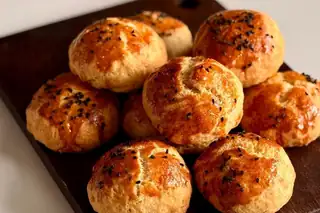
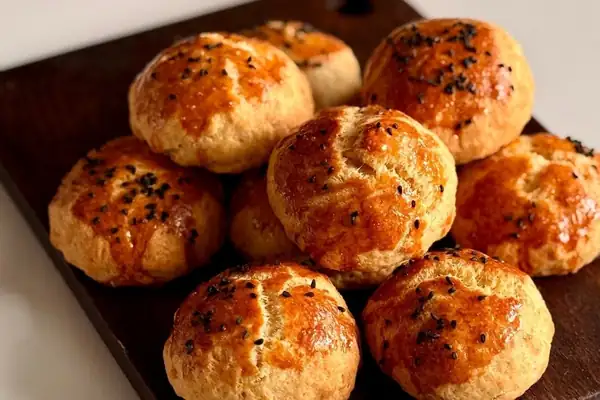
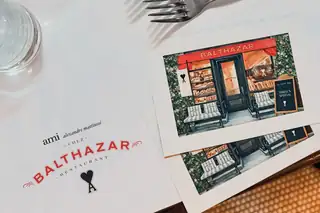
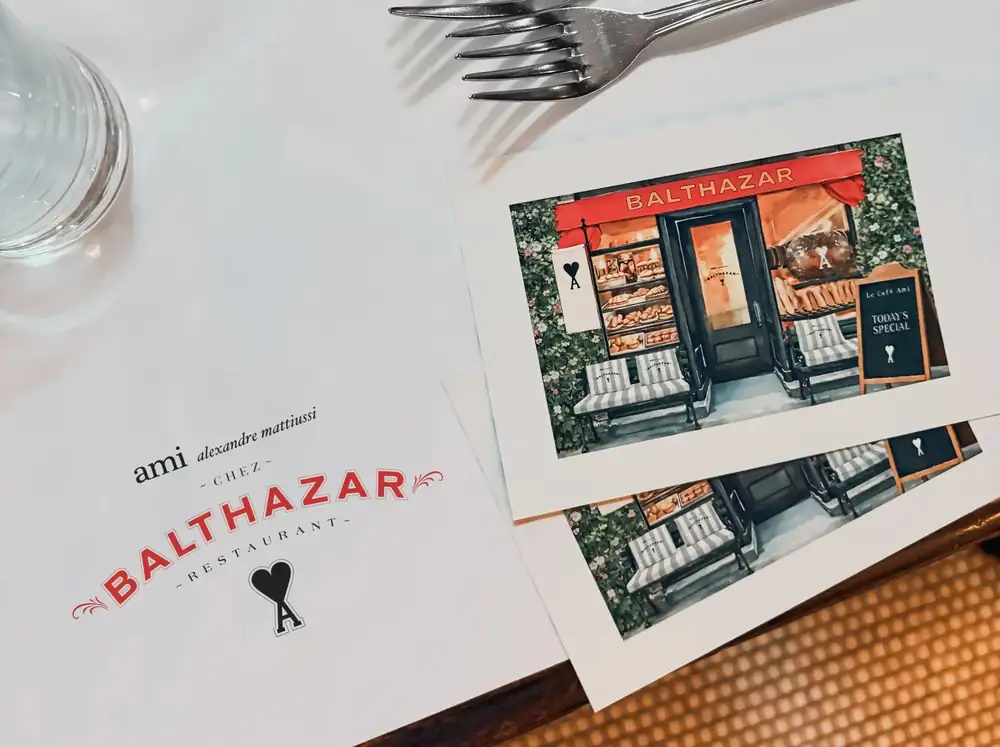
The past few years have seen a flurry of collaborations where fashion and gastronomy have become almost inseparable: in New York, Ami Paris recently collaborated with the legendary Balthazar for a month. The French bistro welcomed guests with Ami-branded breads and menus, while the brand also set up a Balthazar cart outside its Soho store, serving freshly baked pastries and coffee to passersby.
During men's fashion month, for example, JW Anderson celebrated its collaboration with Diadora at Milan's Bar Basso. The choice of location was no coincidence: Bar Basso has been one of Milan's iconic aperitivo bars for decades, its name now as intertwined with the city as it is with fashion week or the legendary Negroni Sbagliato.
A few weeks earlier, Supreme took over Café La Perle in Paris, where a shared dinner and a specially designed installation created a connection between the brand and the spirit of the place.
In London, Aries went even further: it launched a capsule collection with East London bakery Jolene and opened its own bakery in its Soho flagship store.
The collaboration was not only spectacular, but also commercially successful. According to Ami Paris, during the three-day activation, store visits increased by 55 percent, sales increased by 21 percent, and the campaign generated more than a million Instagram impressions and hundreds of thousands of TikTok hits. In this case, gastronomy was no longer an accompanying element, but one of the most important communication surfaces of the campaign.
Why do brands spend billions on gastronomic experiences?
There is a strong business logic behind these spectacular collaborations. Luxury brands want to create experiences that engage customers for a longer period of time. A shared dinner, a special pop-up bakery or a carefully composed cocktail can create a much more personal connection than a traditional advertising campaign.
Another factor is the dramatic transformation of luxury consumption in recent years. According to Euromonitor International, the global experiential luxury market expanded by 10 percent last year, with luxury hospitality growing by 9 percent. The research firm predicts that this segment could grow by a further 37 percent over the next five years, while the personal luxury goods market is developing at a much more subdued pace. The figures clearly show that consumers are increasingly turning their attention to tangible, personal experiences.
The change is particularly noticeable among younger generations. An iconic restaurant, a limited-time pop-up, or a menu created with chefs can now be as much a part of a brand identity as a campaign film or a runway show. Which bakery someone stands in line at, which bistro they dine at, or which cocktail they share on Instagram is often as much a part of self-expression as the clothes they wear.
The phenomenon also fits well with the shift that is increasingly being mentioned in the luxury industry: the emphasis is gradually shifting from the possession of objects to the experience. A special dinner, a one-off gastronomic installation or a limited-time pastry creates a memory that is easy to share on social media. A well-executed activation thus becomes a cultural event, a marketing tool and a social experience at the same time.