How To Make and Use Tangzhong and Yudane
In this how to make tangzhong guide, we’ll look at a method for bringing extra tenderness and keeping quality to your sourdough bread by pre-cooking a portion of the flour.
The remarkable thing about tangzhong, also called yudane or water roux, is how the overall dough hydration can be kept relatively low, with fewer fats and oils, and still result in incredibly tender bread. In this guide on making a tangzhong, we’ll look at what flour types you can use for the roux, what liquids, and a few different methods to cook the flour and mix it into your bread dough.
Real quick: What are the Benefits of Tangzhong?
What is Tangzhong?
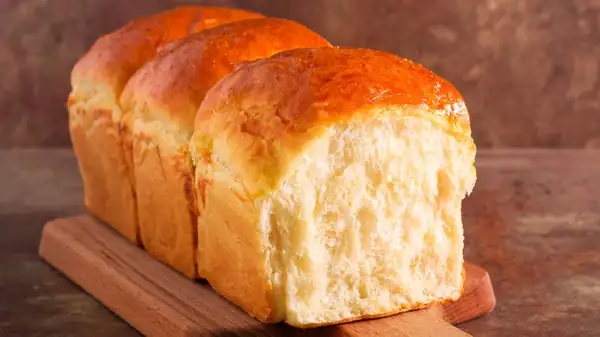
Tangzhong, also called yukone in Japan, is an Asian technique that calls for pre-cooking a portion of the raw flour in a recipe with a liquid (usually water or milk) until it forms a paste. Then, this paste can be added to dough, resulting in bread that’s tenderer, more fluffy, and lasts longer before staling.
When the flour is cooked to approximately 150°F (65°C), the starches gelatinize as the liquid is absorbed into the starch, which swells as the mixture becomes more viscous and gel-like. This gelatinization is similar to how the exterior of a bagel gelatinizes during boiling. When you do this, the process irreversibly turns the mixture into a sticky starch paste that’s then added to the dough during mixing.
Sometimes, you’ll also see this technique called a “scald.” Often, this is used in German rye breads or modern sourdough recipes, such as our Light Deli Rye. Using rye and a liquid not only brings gelatenized starches but it amplifies the rye flavor in the final loaf.
What Does the Tangzhong Method Do?
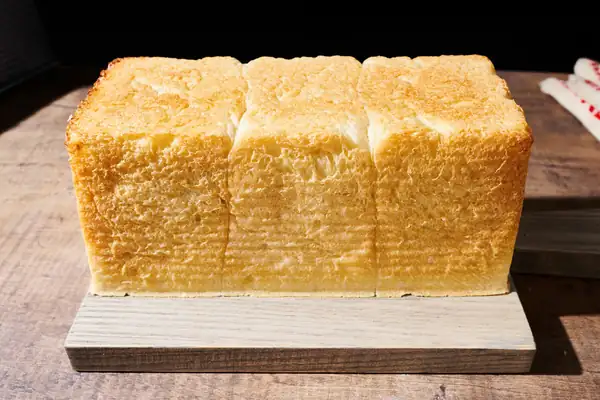
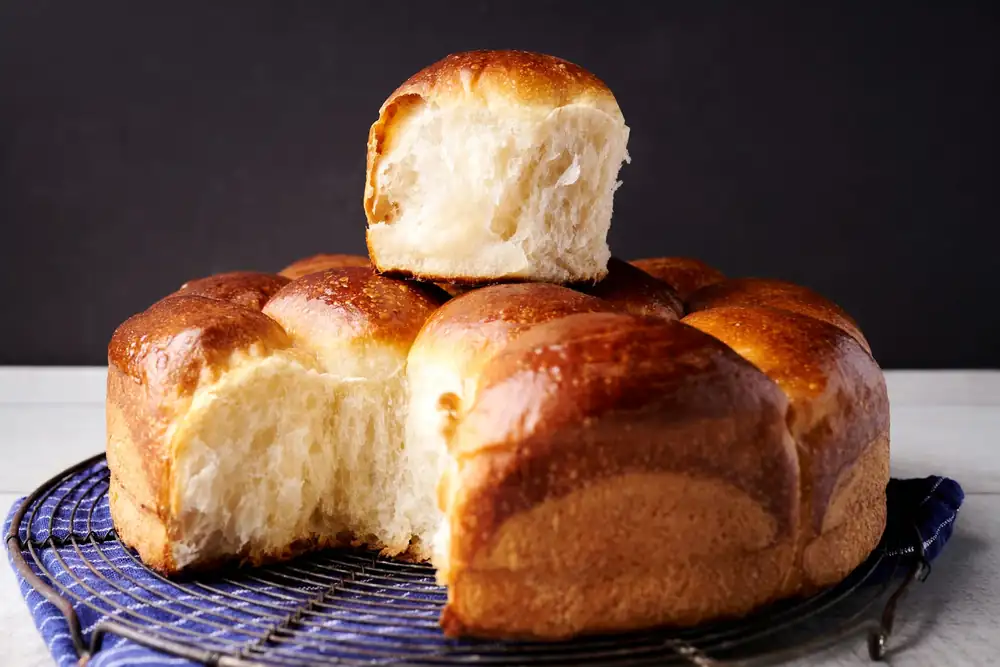
Using the tangzhong method of pre-cooking some of the flour adds softness, tenderness, fluffiness, and better shelf life to baked goods like bread and pastry.
What is Yudane (and How is it Different From Tangzhong)?
Yudane is Japanese and essentially means roux (like tangzhong, Chinese). It has the same end goal: to gelatinize the starches in flour with a hot liquid. It differs from tangzhong in that you boil the liquid (usually water) and pour it directly over the flour, stirring to incorporate. After this, you let the mixture rest until it’s at room temperature before mixing it into your dough (or you can let it rest in the fridge until the next morning). At this point, you’ll take the mixture out, let it warm to room temperature, and mix it into your dough as needed.
The yudane method saves a little time since you don’t have to cook the flour at the stove, but it reaches the same end goal. In my experiments, I’ve not seen dramatically different results between the two methods. Because of this, I’ll talk about them interchangeably in this guide.
How to Make Tangzhong
The process to make tangzhong is very simple:
Watch Me Use Tangzhong In This Bread Recipe
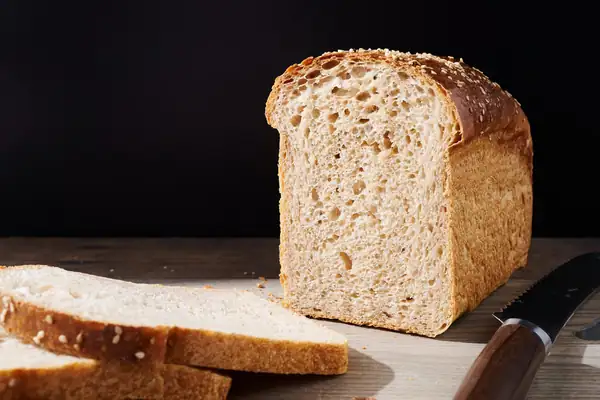
Watch me make my high-fiber sourdough sandwich bread using the tangzhong technique. In the video below, you’ll see to what consistency I cook the flour and liquid so it reaches a thick paste.
What Liquids Can Be Used for Tangzhong?
When using the tangzhong technique, whole cow’s milk is typically used, but you can also use 2% milk, lactose-free milk, and low-fat milk. Instead of dairy, you can use full-fat almond, oat, cashew, or other nut-based milk. You can also use water in place of milk.
What Flour Can be Used for Tangzhong?
To make tangzhong, you can use any white flour (all-purpose, high-protein white bread flour, or medium protein bread flour), whole wheat flour, Khorasan flour, einkorn flour, or whole-grain rye flour. Any flour that has sufficient starch can be used to make tangzhong or yudane.
How Much Tangzhong Should I Use?
I’ve found using between 4% and 8% of the total flour in the recipe as a roux to be ideal. I think it’s possible to do percentages outside this range, but 8% has been my soft upper limit for my formulas.
Converting a Recipe to Use Tangzhong
When converting a recipe, take some flour and liquid from the recipe ingredients to make the roux. In other words, don’t add extra flour and a liquid to the bread formula for the roux. In doing this, you will change the ratio of ingredients (in baker’s percentages) in the formula.
When converting a recipe to using a tangzhong, you might notice the dough feels stiffer than it might have previously. This is because some of the once “free” liquid mixture into the dough is now bound up in the roux itself.
Tangzhong water to flour ratio
Tangzhong typically has a ratio near 1 part flour to 5 parts liquid (1:5), but this ratio is not absolute. I’ve used various ratios with varying success, and in my tangzhong sandwich bread, I use a ratio of 1 to 4 (74g flour to 296g milk, or 1:4). The additional liquid ensures it doesn’t burn and likely also accounts for evaporation.
Yudane water to flour ratio
Yudane typically has a ratio of 1 part liquid to 1 part flour (1:1).
Preparing Tangzhong or Yudane Ahead of Time
When using tangzhong or yudane, it’s possible to make the mixture the night before or several hours ahead. Prepare the mixture by cooking over the stove or pouring boiling liquid over the flour, then set out to cool. Once slightly cool, cover the roux and place it in the refrigerator until needed.
I like to take it out of the refrigerator to come up to room temperature before mixing the tangzhong into my dough, but this is unnecessary. Ensure the added ingredient is considered when determining your final dough temperature.
Description
Tangzhong is flour cooked with a liquid to create a gelatinous paste that brings softness, tenderness, and added shelf life to bread. This basic tangzhong can be used in almost any bread recipe. Be sure to use flour and liquid from the recipe to make this tangzhong.