Macambo: Peruvian signature cuisine in Barcelona
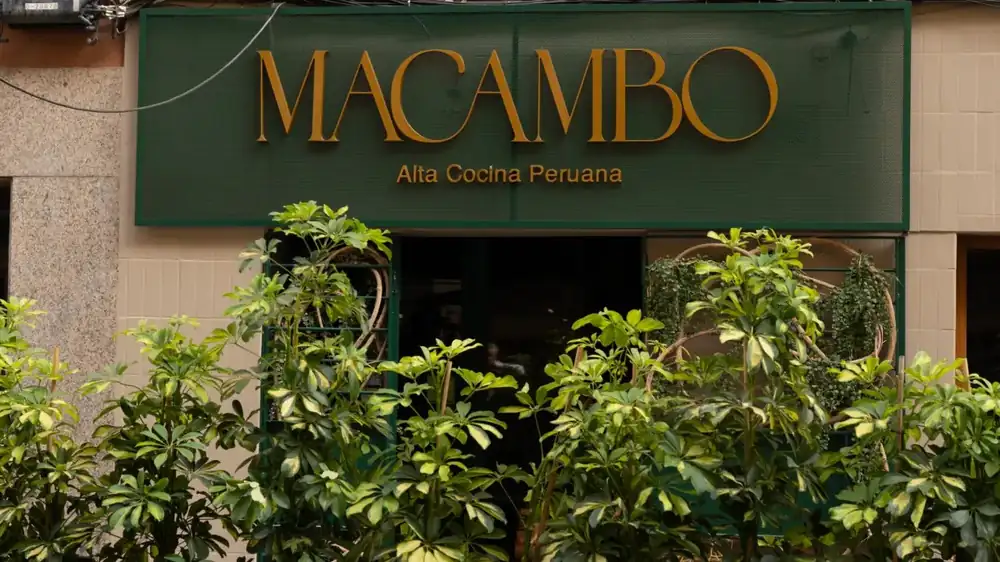
Roberto Sihuay arrives in Barcelona with his new restaurant, Macambo. Next Tuesday, July 1st, the Peruvian chef will open his first restaurant in Barcelona, in the heart of Sant Gervasi.
A modern and personal vision of Peruvian cuisine
After a successful career taking his Peruvian cuisine to more than ten countries across three continents, he returns with a more personal project. Macambo was born as a celebration of Peru's diversity and a clear statement of intent: to showcase Peruvian cuisine with technique, flavor, and modernity, positioning itself as a leading name in signature Peruvian cuisine in the city.
The restaurant's name reflects its culinary vision. Macambo is an Amazonian fruit, related to cacao. "It's an ancestral food, a superfood. Its name means 'food of the gods,'" explains Sihuay. In the Peruvian jungle, macambo is roasted and eaten like an almond.
Macambo represents the diversity of Peru that is not always seen: we are not just ceviche and chili peppers. We are also the Amazon and the highlands, which are not well known and deserve to be seen.
Furthermore, the restaurant's logo represents the macambo seed, the fruit's core and essence, and its scientific name, "Theobroma bicolor," reinforces the natural sophistication that pervades the project. Here, the flavors of the coast, mountains, and jungle are explored through reinterpretation and reminiscence, without resorting to mere imitation.
That's why the inspiration to create something new is always present in local Peruvian foods. The pastel de choclo, for example, is an interpretation of the Arequipa-style rocoto relleno, where instead of peppers, there's a corn cake, and instead of a traditional sauce, there's a cooking juice with hints of ramen.
Macambo: a space to share, explore and be amazed
The restaurant's menu is designed for sharing, with medium-sized dishes inviting you to sample a variety of options in a single meal. The chef's intention, rather than creating a lengthy tasting menu with large courses, was to offer a more local and informal experience, where, with the typical Spanish tapas, you can try several dishes.
Within this cuisine, fresh chili peppers, Andean corn, and loche squash from northern Peru stand out. These fundamental ingredients in Peruvian cuisine, in the chef's hands, enhance Macambo's offerings. Furthermore, the menu also incorporates influences from other Peruvian cuisines, such as Nikkei, Creole-African, and Chinese-Cantonese.
One of the most unique dishes at the restaurant is the Confit Suckling Pig Cubes. At Macambo, the suckling pig is deboned, cooked at a low temperature, and bathed in escabeche sauce. “In Peru, we eat pickled fish or chicken. But escabeche with confit suckling pig, you won't find that in a home there. That's my contribution,” explains the chef.
A complete experience: desserts, cocktails and gastronomic vision
As a final touch, the desserts are designed by her sisters, pastry chefs trained at Espai Sucre and the Basque Culinary Center. A standout is the soursop mousse with candied macambo, combining creaminess, freshness, and a crunchy texture. The menu also includes signature desserts featuring lucuma, cherimoya, and mango.
Last but not least, the cocktails are perfectly complemented by the cuisine. This includes classics like the pisco sour, but also some unique combinations like the Bruma Andina, made with gin and elderflower.
Macambo isn't a formal restaurant, but it is ambitious. Chef Sihuay champions a vision of haute cuisine based on product quality, technique, and experience.
The venue has a capacity for 75 people between the indoor area and the terrace. The average bill is estimated at €50-60.
For me, haute cuisine is about achieving balance: that it's delicious, that it's technically sound, and that the service is impeccable. You don't need €3,000 wines or linen tablecloths to offer something special.
Don't miss this gastronomic experience and enjoy it with family and friends.