What Koreans Really Eat for Chuseok
21 Chuseok Foods & Traditional Korean Holiday Recipes
Chuseok food brings together songpyeon, jeon, namul, braised meats, rice cakes, and traditional Korean sweets for the harvest holiday. These 21 Korean Chuseok recipes include dishes for the family table, ancestral traditions, and an easier holiday menu at home.nty, and spend time cooking together.
Chuseok (추석), also called Hangawi (한가위), is Korea’s autumn harvest holiday. From songpyeon and jeon to namul and braised meats, these 21 recipes bring together traditional holiday foods and family favorites.
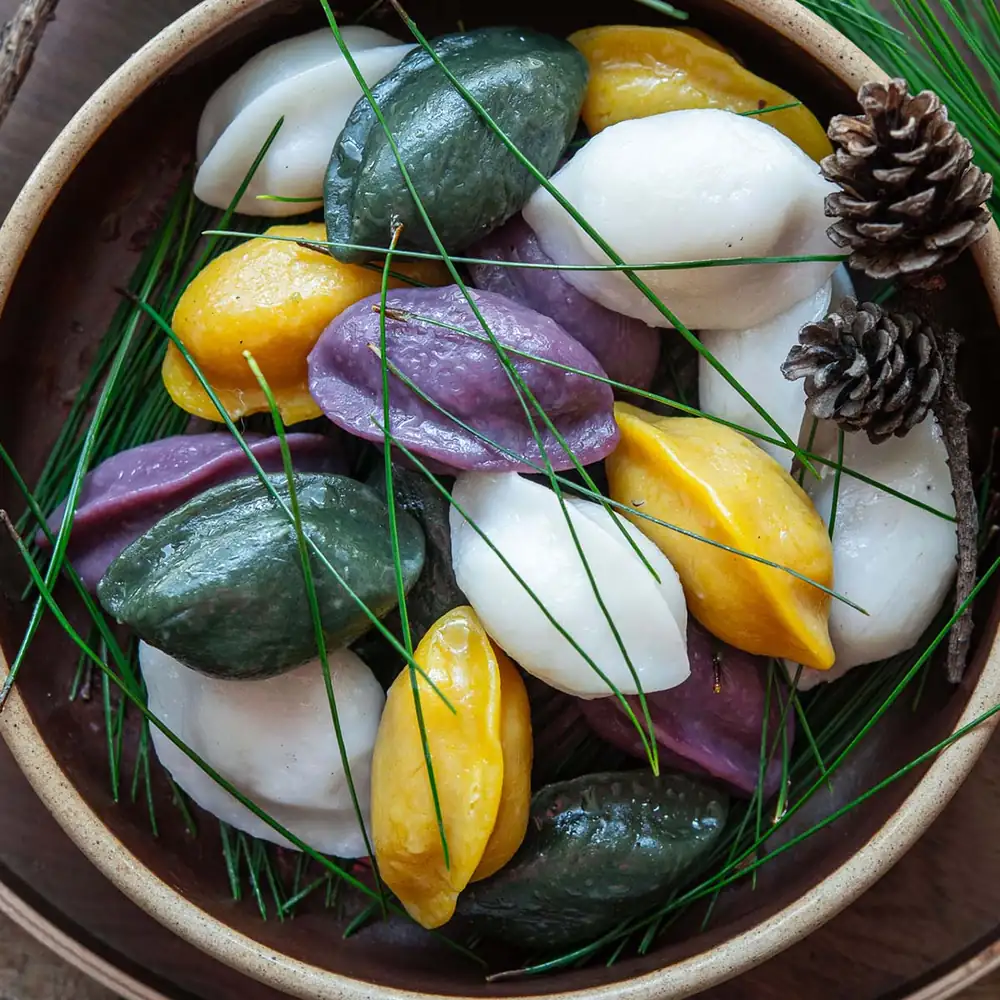
Growing up in Korea, I remember shaping songpyeon with my family and steaming the rice cakes over fragrant pine needles. Making food together was as much a part of the holiday as sitting down to eat it.
I’ve gathered the dishes I associate with Chuseok, along with practical choices for putting together a holiday meal at home.
Traditional Chuseok Foods to Start With Some dishes are more closely tied to Chuseok than others. Songpyeon, sanjeok, and holiday jeon are among the foods most strongly associated with the celebration and traditional family tables.
1
Songpyeon (Korean Chuseok Rice Cake)
Songpyeon is the food most closely associated with Chuseok. These half-moon rice cakes are filled with sesame, beans, or nuts and traditionally steamed over pine needles.
Juicy beef and tofu patties are lightly coated in egg and pan-fried until golden. Wanja-jeon is a familiar choice for Korean holidays and family celebrations.
Seasoned beef, rice cakes, and green onions are threaded onto skewers and cooked until lightly browned. Sanjeok is a classic festive dish often prepared for Chuseok and other special occasions.
Jeon are a familiar part of Korean holiday cooking, especially for Chuseok and other family celebrations. Meat, vegetables, tofu, or seafood are lightly coated and pan-fried, often with several varieties prepared at once.
4
Yukjeon (Korean Beef Pancakes)
Thin slices of seasoned beef are lightly coated with flour and egg, then pan-fried until tender. This simple beef jeon makes an elegant addition to a Chuseok table.
Fragrant perilla leaves are filled with seasoned pork, coated in egg, and pan-fried. Their savory filling and fresh herbal flavor make them especially good alongside other Chuseok jeon.
Crisp, savory pancakes made with ground mung beans, pork, kimchi, and vegetables. Bindaetteok adds a hearty texture to a Chuseok spread and is especially good served hot from the pan.
Namul bring balance to a Chuseok meal with lightly seasoned vegetables served alongside richer meats and fried dishes. Traditional holiday tables often include several kinds, with gosari and spinach among the most familiar choices.
7
Gosari Namul (Seasoned Fernbrake)
Tender fernbrake is seasoned and gently stir-fried for a savory Korean vegetable side dish. Gosari namul is a traditional choice for holiday meals and ancestral tables.
Blanched spinach is lightly seasoned with garlic, sesame oil, and sesame seeds. This simple namul adds freshness and color alongside richer Chuseok dishes.
Rich meat dishes are often the centerpiece of a modern Chuseok family meal. Serve galbi jjim, bulgogi, tteokgalbi, or LA galbi with rice, jeon, and namul to feed a crowd with plenty of variety.
9
Galbi Jjim (Korean Braised Short Ribs
Beef short ribs are slowly braised in a savory-sweet soy sauce until tender. Galbi jjim is a favorite Korean celebration dish and makes a beautiful centerpiece for a family Chuseok meal.
Thinly sliced beef is marinated with soy sauce, garlic, and pear, then quickly cooked until tender. Bulgogi is an easy crowd-pleasing main dish for a modern Chuseok family gathering.
Seasoned minced beef is shaped into tender patties and glazed with a savory-sweet sauce. Tteokgalbi is a festive Korean meat dish that works especially well for family celebrations.
Thin cross-cut beef short ribs are marinated in a savory-sweet Korean barbecue sauce and grilled or pan-cooked. LA galbi is especially convenient when feeding a larger holiday gathering.
Japchae, soup, and kimchi round out the meal with contrasting textures and lighter flavors. They help balance the richer dishes and make the Chuseok table feel complete without adding another heavy main course.
13
Japchae (Korean Glass Noodles)
Chewy sweet potato noodles are tossed with beef and colorful vegetables in a savory-sweet sauce. Japchae is one of Korea’s most familiar celebration dishes and a natural fit for Chuseok gatherings.
Tender beef short ribs simmer in a clear, deeply savory broth. This comforting Korean soup makes a warming addition to a holiday table filled with jeon, namul, and rice.
Beef and Korean radish simmer together in a light, savory broth. Its clean flavor works particularly well when the rest of the Chuseok meal includes rich meat dishes and fried jeon.
Crisp radish and napa cabbage ferment in a light, tangy brine. Nabak kimchi is especially refreshing alongside rich Chuseok dishes such as jeon, galbi, and japchae.
Chuseok sweets go well beyond songpyeon. Yakgwa, yakshik, sikhye, and sujeonggwa bring honey, grains, fruit, spice, and gentle sweetness to the end of a Korean holiday meal.
17
Yakgwa (Korean Honey Cookies)
Traditional Korean cookies are fried and soaked in a fragrant honey or grain-syrup mixture. Yakgwa has long been enjoyed for holidays and special occasions, making it a natural addition to a Chuseok sweets table.
Glutinous rice is cooked with jujubes, chestnuts, honey, and soy sauce for a gently sweet and chewy dessert. Yakshik is a traditional Korean treat well suited to autumn celebrations.
A lightly sweet traditional Korean drink made with malted barley and cooked rice. Served chilled, sikhye is particularly refreshing after a rich Chuseok meal.
This traditional Korean punch combines cinnamon and ginger with a gently sweet finish. Served cold, often with dried persimmon or pine nuts, it makes a refreshing end to a holiday feast.
Soft, chewy rice cakes are coated in nutty roasted soybean powder for a simple traditional Korean treat. Injeolmi is often enjoyed for holidays, celebrations, and special family gatherings.
You do not need to make every dish to celebrate Chuseok well. Choose a few family favorites, add songpyeon or another traditional treat, and enjoy the meal together. 행복한 추석 보내세요. Happy Chuseok!